English
 Español
 عربى
عربى
 Português

If you are wondering what can I use to hold down my patio umbrella, the answer is that you have a wide range of effective solutions, from purpose-built weighted bases and sand-filled plastic shells to heavy cast iron stands, permanent in-ground anchors, and creative DIY options using planters or concrete-filled buckets. The fundamental principle is always the same: you must counteract the significant leverage and wind load that an open umbrella creates, which can easily exceed 50 pounds of force in a moderate breeze. According to the Consumer Product Safety Commission (CPSC), an unsecured patio umbrella can become a dangerous projectile in gusts as low as 20 miles per hour, causing property damage and personal injury. Therefore, choosing the right hold-down method is not merely about keeping your shade in place; it is an essential safety measure. The ideal solution for you will balance the size and type of your umbrella, the surface of your patio, the typical wind conditions in your area, and your aesthetic preferences.
Content
- 1. Purpose-Built Weighted Umbrella Bases: The Standard Solution
- 2. Water and Sand-Filled Resin Bases: Portable and Practical
- 3. Cast Iron and Solid Concrete Bases: Maximum Stability for Windy Areas
- 4. In-Ground Anchors and Bollards: The Permanent, Trip-Free Option
- 5. DIY Solutions: Using Sandbags, Planters, and Concrete Buckets
- 6. How to Calculate the Right Weight for Your Umbrella Base
- Frequently Asked Questions About Holding Down Patio Umbrellas
- Can I use a regular umbrella base for a cantilever offset umbrella?
- What can I use to hold down my patio umbrella on a windy balcony?
- How do I stop my umbrella from spinning in the base?
- Are there any decorative ways to hide an ugly umbrella base?
- Can I use just a heavy potted plant to hold down my umbrella?
1. Purpose-Built Weighted Umbrella Bases: The Standard Solution
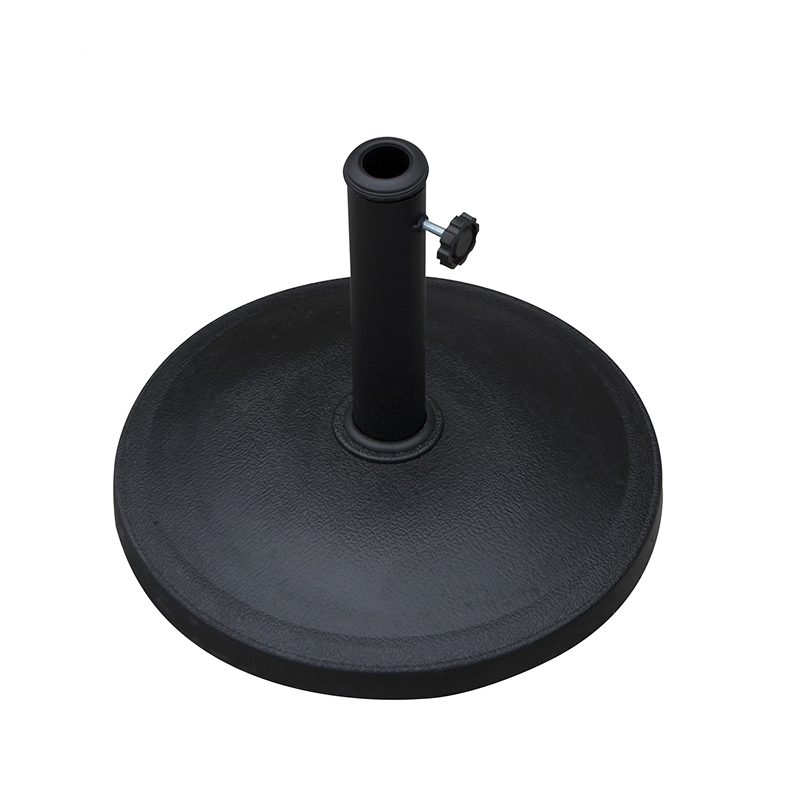
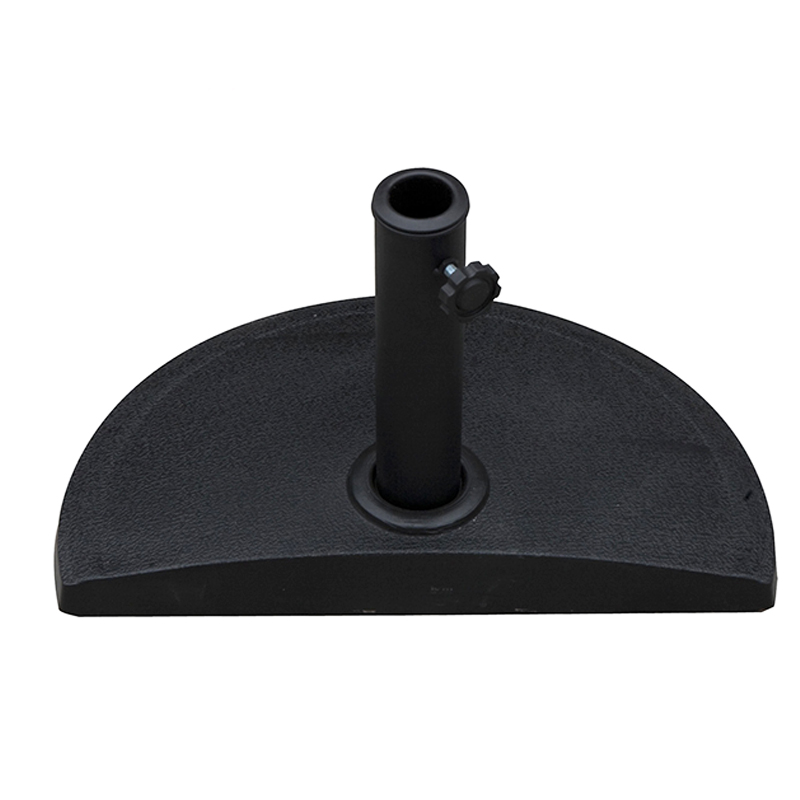
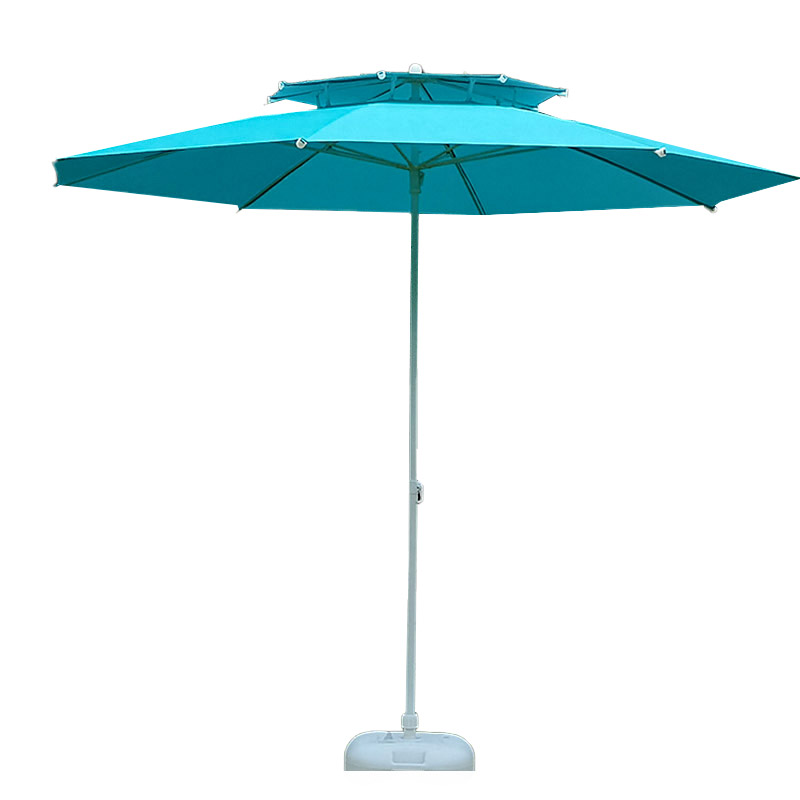
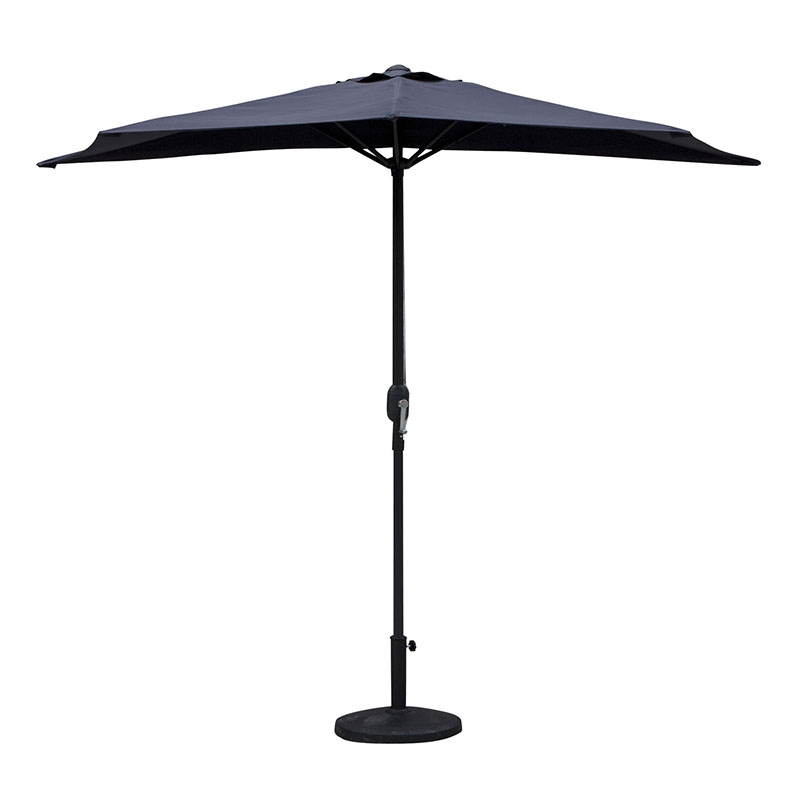
For most homeowners, a manufactured weighted base is the most reliable and convenient answer to what can I use to hold down my patio umbrella, because these products are engineered to provide the correct weight, a secure pole fit, and weather-resistant durability without any DIY effort. These bases come in a variety of materials, each with distinct advantages. Plastic resin bases are lightweight to transport and are designed to be filled with water or sand on site, offering a temporary but stable anchor once filled. Solid cast iron bases are extremely heavy, often weighing between 50 and 120 pounds, and they provide a low-profile, durable anchor that resists rust with a powder-coated finish. Concrete bases, often wrapped in a decorative plastic or resin shell, offer immense stability for large cantilever umbrellas, sometimes weighing over 200 pounds. A widely accepted rule of thumb in the outdoor furniture industry is to provide at least 1 pound of base weight for every inch of umbrella canopy diameter. This means a typical 9-foot market umbrella requires a base of at least 40 to 50 pounds for mild conditions, and significantly more if it will be exposed to gusty winds. For a large 11-foot umbrella, you should look for a base weighing 70 pounds or more to ensure it remains upright during sudden weather changes. When choosing a base, it is also critical to check the diameter of the pole and the tightening mechanism; a high-quality base will have a sturdy threaded collar or a heavy-duty clamp that grips the pole firmly and prevents it from spinning in the wind.
2. Water and Sand-Filled Resin Bases: Portable and Practical
A hollow resin base that you fill with water or sand is a highly practical solution for renters or anyone who moves their umbrella frequently, as it can be emptied and carried easily yet achieves substantial stability once in position. These bases typically consist of two interlocking plastic shells that snap together securely. Once filled, they can reach a total weight of between 20 and 50 pounds. Sand is generally the preferred filling material over water because it is denser, cannot leak out completely if a small crack develops, and eliminates the problem of stagnant water that can attract mosquitoes. If you do use water, adding a tablespoon of household bleach can prevent algae growth inside the chamber. It is important to remember that in climates where temperatures drop below freezing, a water-filled base must be drained or protected to prevent the ice from expanding and cracking the plastic shell. A mixture of sand and a small amount of RV antifreeze can also be used to prevent freezing while maintaining weight. For those seeking a balance between portability and performance, these bases offer a very accessible entry point into understanding what can I use to hold down my patio umbrella without committing to a permanent or extremely heavy fixture.
3. Cast Iron and Solid Concrete Bases: Maximum Stability for Windy Areas
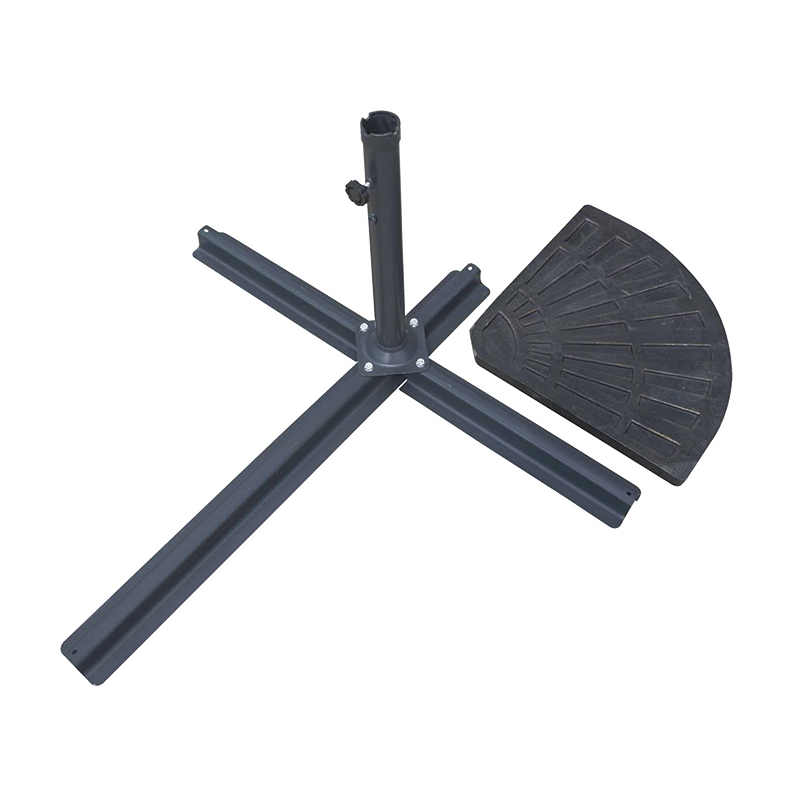
For locations that experience frequent strong breezes or for particularly large umbrellas, a solid cast iron or concrete base provides the highest level of passive stability, using sheer mass to keep the umbrella perfectly upright. These bases are not designed to be moved around daily; once a 100-pound cast iron block is in position, it effectively becomes a permanent fixture on the patio. The advantage is that the weight is structural and reliable, never dependent on the user filling the base correctly. High-quality cast iron bases are treated with a weather-resistant finish to prevent rust stains on your deck or pavers, while solid concrete bases are often encased in a decorative composite shell that mimics stone or wrought iron. If you are asking what can I use to hold down my patio umbrella in a commercial setting, such as a restaurant sidewalk or a hotel pool deck, these heavy-duty bases are often the only ones that meet local safety codes. They can withstand wind gusts of up to 30 to 40 miles per hour when properly matched to the umbrella size. Some high-end models also feature integrated wheels that retract when the base is set down, offering a measure of mobility without sacrificing stability.
4. In-Ground Anchors and Bollards: The Permanent, Trip-Free Option
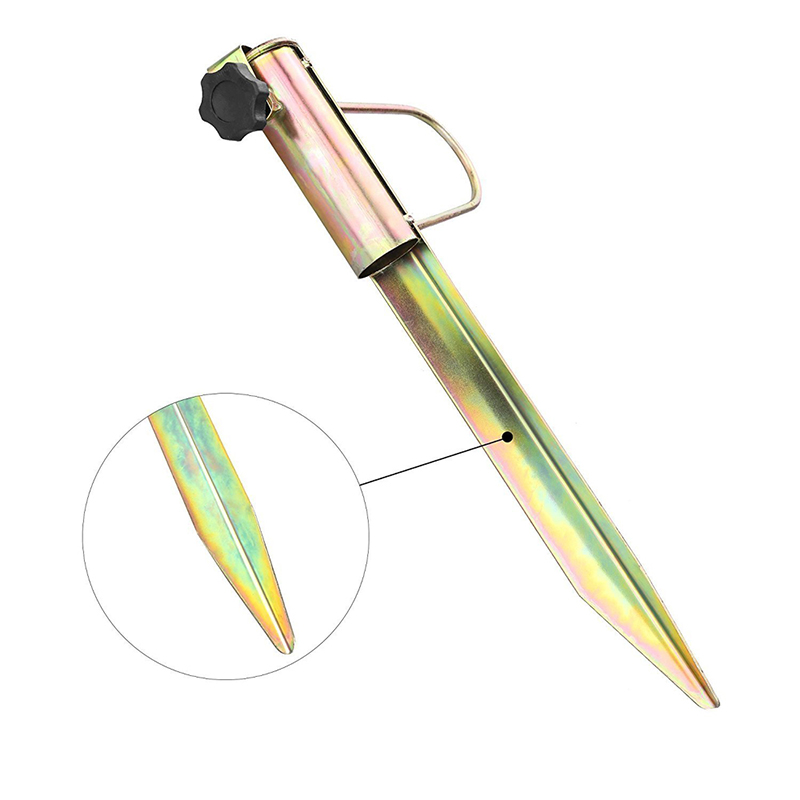
If you are seeking a completely clean look with no visible base cluttering the floor, installing a permanent in-ground anchor sleeve into a concrete patio or directly into the soil is the superior method for holding down an umbrella. This involves embedding a PVC or metal tube sleeve into the ground during the patio's construction, or retrofitting one by digging a deep hole and setting it with concrete. The umbrella pole slides directly into this subsurface tube, and a tightening bolt or a friction fit holds it in place. For a soil installation, the hole should be at least 18 to 24 inches deep. The sleeve is then leveled, and the surrounding soil is compacted, or concrete is poured to create a permanent footing. This method completely eliminates trip hazards, making it an excellent choice for families with children or for accessible walkways. The umbrella is anchored directly into the earth, providing resistance against wind that a freestanding base cannot match. When you are considering what can I use to hold down my patio umbrella in a high-traffic area or on a rooftop terrace where strong gusts are common, an in-ground anchor is the gold standard for safety and aesthetics.
5. DIY Solutions: Using Sandbags, Planters, and Concrete Buckets
For the creatively inclined or budget-conscious, there are several effective DIY methods that answer the question of what can I use to hold down my patio umbrella without purchasing a specialized commercial base. These solutions often repurpose heavy household items and can blend utility with backyard decoration. Common and effective DIY approaches include the following:
- Large decorative planters: A half whiskey barrel or a large ceramic planter can serve as both an anchor and a beautiful garden feature. Fill the bottom with heavy gravel or sand for weight, then embed a wide PVC pipe in the center to hold the umbrella pole. The remaining space can be filled with potting soil and flowers, creating a living anchor that masks its true purpose. A planter of this type can easily weigh 80 to 150 pounds once filled, providing excellent stability.
- A concrete-filled 5-gallon bucket: This is one of the simplest and heaviest DIY solutions. Place a length of 2-inch PVC pipe in the center of a bucket, fill it with quick-set concrete, and let it cure. The result is a compact, extremely stable base that can be painted or slipped inside a decorative basket to match your patio furniture. The total cost is often under $20, and the base will weigh around 100 pounds.
- Stacking patio pavers: If you already have a metal base, you can drill a hole through the center of several large concrete pavers and stack them directly over the top of the existing base frame. The added weight from the pavers presses the base more firmly into the deck and dramatically increases resistance to tipping.
- Sandbags or weight bags: Specially designed weather-resistant weight bags that drape over the crossbars of an umbrella base are an excellent supplemental solution. They can add 15 to 40 pounds of stability each and are easy to remove when you want to store the umbrella for the season. These are particularly useful if you are still deciding what can I use to hold down my patio umbrella and want a temporary but effective fix.
| Hold Down Method | Weight Range | Best for Wind Level | Cost Level | Key Consideration |
|---|---|---|---|---|
| Resin Water/Sand Base | 20–50 lbs filled | Light to Moderate | Low | May crack in freezing temperatures if filled with water |
| Cast Iron Base | 50–120 lbs | Moderate to Heavy | High | Extremely durable, but difficult to move |
| In-Ground Anchor Sleeve | N/A (anchored to earth) | Heavy | Moderate (requires digging) | No trip hazard, permanent placement |
| DIY Concrete Bucket / Planter | 60–100+ lbs | Moderate to Heavy | Very Low | Customizable, but requires labor to construct |
| Sandbags / Weight Bags | 15–40 lbs each | Light to Moderate | Low | Best used as reinforcement on top of an existing base |
6. How to Calculate the Right Weight for Your Umbrella Base
To accurately determine what you can use to hold down your patio umbrella, you need to understand the relationship between your umbrella's size, the expected wind speed, and the required base weight. The physics is straightforward: an open umbrella acts like a sail, and the force exerted on it increases with the square of the wind velocity. A 9-foot diameter umbrella has a surface area of approximately 63 square feet. In a 15 mph wind, the dynamic pressure is about 0.5 pounds per square foot, generating a total force of over 30 pounds. Because this force acts at the center of the umbrella, which is often 7 to 8 feet above the ground, it creates a tipping moment that the base must resist. A base that weighs 50 pounds and is 2 feet in diameter provides a resisting moment that can counteract a moderate breeze, but if the wind gust reaches 30 mph, the force quadruples, and a 50-pound base may no longer be sufficient. For windy regions, it is wise to select a base that is at least 1.5 to 2 times the weight recommended by the standard rule of thumb. Additionally, you can use anchor straps or weights that attach directly to the upper pole or the canopy hub to reduce the leverage effect, which is an advanced strategy for those who are serious about finding the ultimate answer to what can I use to hold down my patio umbrella.
Frequently Asked Questions About Holding Down Patio Umbrellas
Can I use a regular umbrella base for a cantilever offset umbrella?
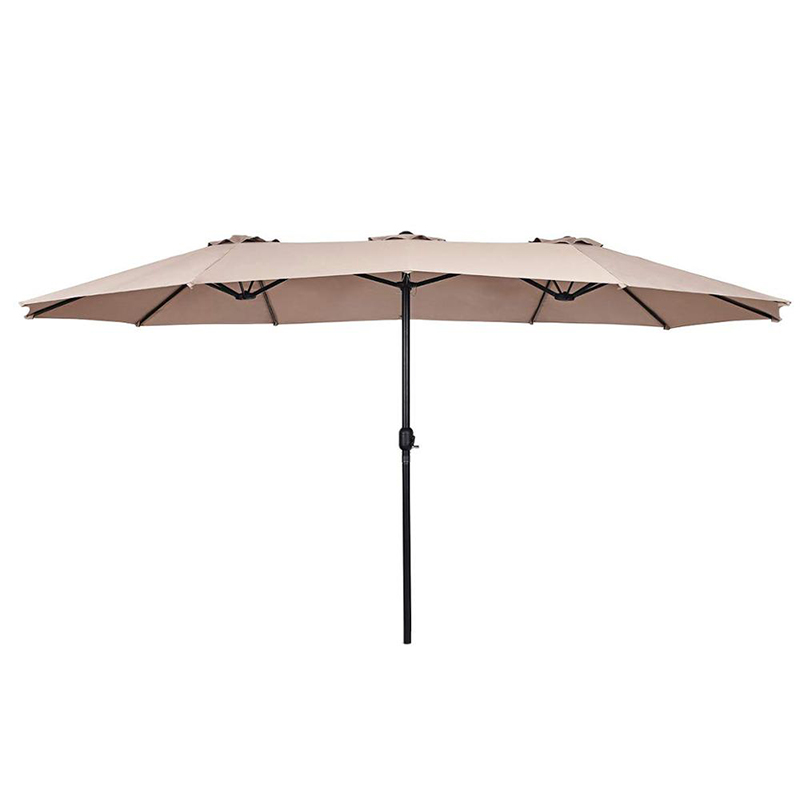
No, you cannot substitute a standard base for a cantilever umbrella. Offset umbrellas have their center of gravity suspended far to one side, which exerts massive leverage on the base. These umbrellas require specialized heavy-duty bases, often weighing 100 to 250 pounds, that take the form of a large cross-shaped frame or a solid steel plate. Some models come with locking wheels for mobility, but these must be firmly locked once the umbrella is positioned. Using a standard market umbrella base for a cantilever will almost certainly result in the umbrella tipping over in the first moderate breeze, damaging the umbrella and potentially injuring someone nearby.
What can I use to hold down my patio umbrella on a windy balcony?
For a windy balcony, a combination of methods is often the most effective solution. Start with a heavy resin base filled with dry sand for maximum density. If the balcony railing allows it, use heavy-duty, UV-resistant zip ties or metal clamps to secure the umbrella pole to the railing at its midpoint, which prevents the pole from swaying and rocking the base. Additionally, you can drape four 10-pound sandbags over the crossbars of the base frame to add substantial stability without taking up any extra floor space on a small balcony. If drilling is permitted, a small bracket attached to the floor or wall that grips the pole can provide an additional point of security, creating a system that is far stronger than a base alone.
How do I stop my umbrella from spinning in the base?
Spinning is usually caused by a small gap between the umbrella pole and the base tube, which prevents the tightening knob from achieving a solid grip. To solve this, create a rubber shim by cutting a piece from a rubber jar opener or a section of rubber hose, and wrap it tightly around the pole inside the base tube. This creates the necessary friction to lock the pole in place. If the tightening knob itself is stripped and cannot be tightened, replace it with a stainless steel bolt and wing nut of the same thread. A bolt allows you to use a wrench to achieve a much tighter and more secure grip than a plastic knob can provide. For a more permanent fix, you can drill a small hole through the base tube and the umbrella pole and insert a locking pin, which physically prevents any rotation.
Are there any decorative ways to hide an ugly umbrella base?
Absolutely. Many homeowners who are concerned about aesthetics while solving what can I use to hold down my patio umbrella turn to decorative covers, planter boxes, or custom-built enclosures. You can purchase a wooden or resin base cover that looks like a planter barrel and simply slip it over the top of a standard plastic or metal base. Alternatively, you can build a square wooden box, line it with landscape fabric, and place the base inside, then surround it with potted plants or river stones. This not only conceals the functional base but also adds a charming visual element to your outdoor space.
Can I use just a heavy potted plant to hold down my umbrella?
A single heavy potted plant alone is not recommended as a primary hold-down method unless the umbrella pole is firmly secured inside the planter and the planter itself is extremely heavy and wide. A tall plant can actually act as a sail and topple over in the wind, taking the umbrella with it. However, if you use a large, wide planter filled with a dense material like gravel or concrete at the bottom, and the umbrella pole is set deep inside a central tube, it can serve as a very effective and attractive anchor. The key is that the center of gravity of the entire assembly (planter, soil, and umbrella) must be low and wide enough to resist the tipping force.
The question of what can I use to hold down my patio umbrella leads to a wide spectrum of effective solutions, from the simplicity of a sand-filled resin base to the permanence of an in-ground anchor, and from a heavy cast iron block to a creative DIY planter. The right choice balances the umbrella's size and type, the local weather conditions, and your personal taste for the patio's appearance. By ensuring your hold-down solution is heavy enough, weather-resistant, and correctly fitted to the pole, you can enjoy your outdoor shade safely and comfortably for many seasons to come, without the worry of a sudden gust turning your relaxation into a hazard.