English
 Español
 عربى
 Português

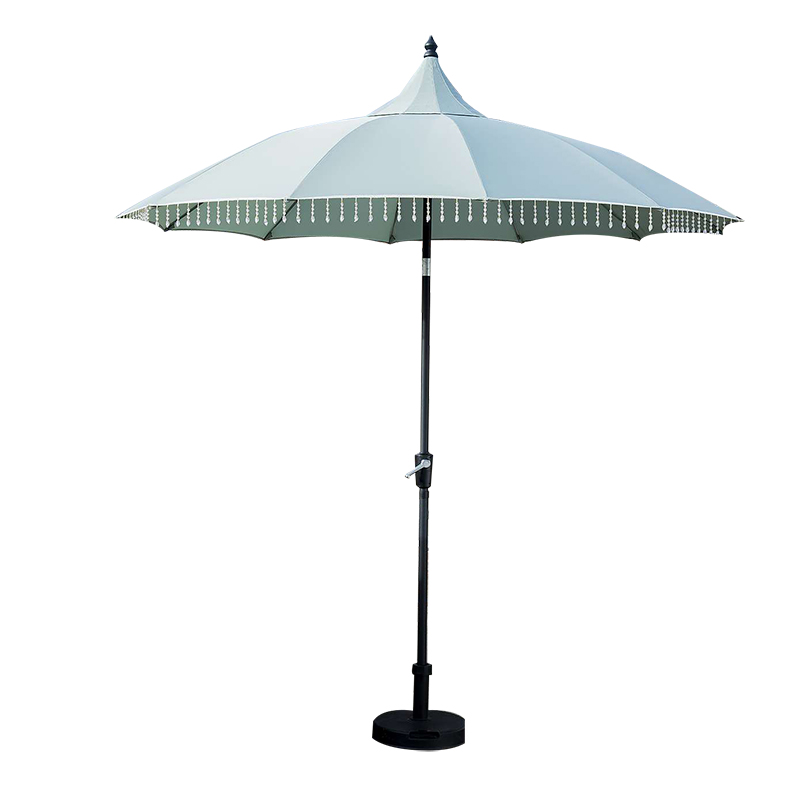
The best patio umbrella base is the one that matches the umbrella’s canopy span, mounting type, and surface — not simply the heaviest base you can lift. A base that is too light lets a center-pole umbrella creep or tip; an oversized cantilever base on a soft deck can create a different problem by concentrating load. Use weight as a starting point, then confirm pole fit, footprint, and wind exposure.
A patio umbrella base is the weighted anchor that holds the pole or cantilever arm. A stand may include the base plus a stem, collar, or anchor plate. The distinction matters at purchase: a base sold for a through-table umbrella may have a short stem and a small plate, while a freestanding base needs a wider footprint and a secure pole collar. If the collar is loose, the umbrella will wobble even on a heavy base.
Content
Match base weight to canopy size and exposure
Start with 20–30 lb for a 6–7 ft center-pole umbrella and 40–50 lb for an 8–9 ft model; cantilever umbrellas usually need a dedicated base rated well above that because the arm multiplies leverage.
| Umbrella type | Typical canopy | Starting base weight | Best mounting approach | Main watch-out |
|---|---|---|---|---|
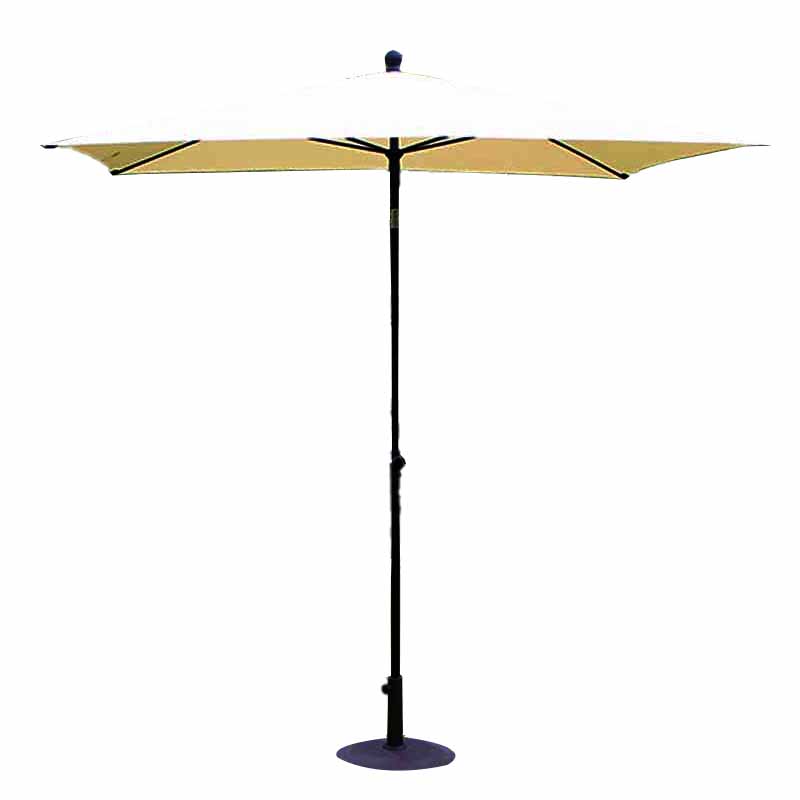
| Center-pole market umbrella | 6–7 ft | 20–30 lb | Through-table or freestanding stem | Check pole diameter and collar fit |
| Center-pole market umbrella | 8–9 ft | 40–50 lb | Freestanding plate or cross base | Table weight alone is not enough in exposed sites |
| Cantilever umbrella | 8–10 ft | 80–120 lb or more | Dedicated cantilever base | Arm reach and rotation clearance |
| Balcony or small-space umbrella | 5–6 ft | 15–25 lb | Compact freestanding base | Rail wind and drop risk |
| Double-sided umbrella | 9–10 ft | 60–90 lb | Heavy cross base | Canopy acts like a sail in gusts |
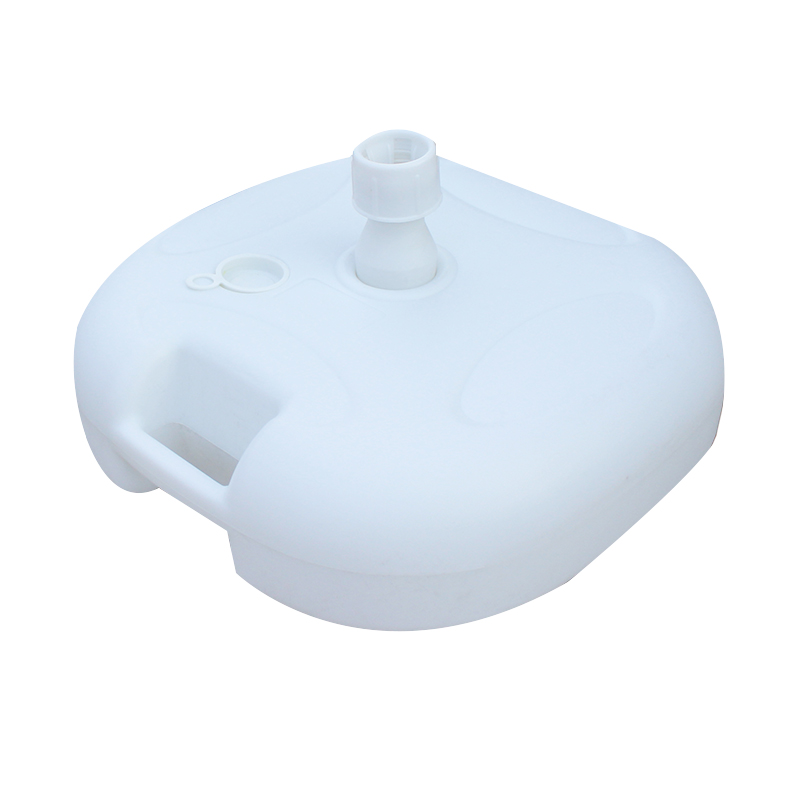
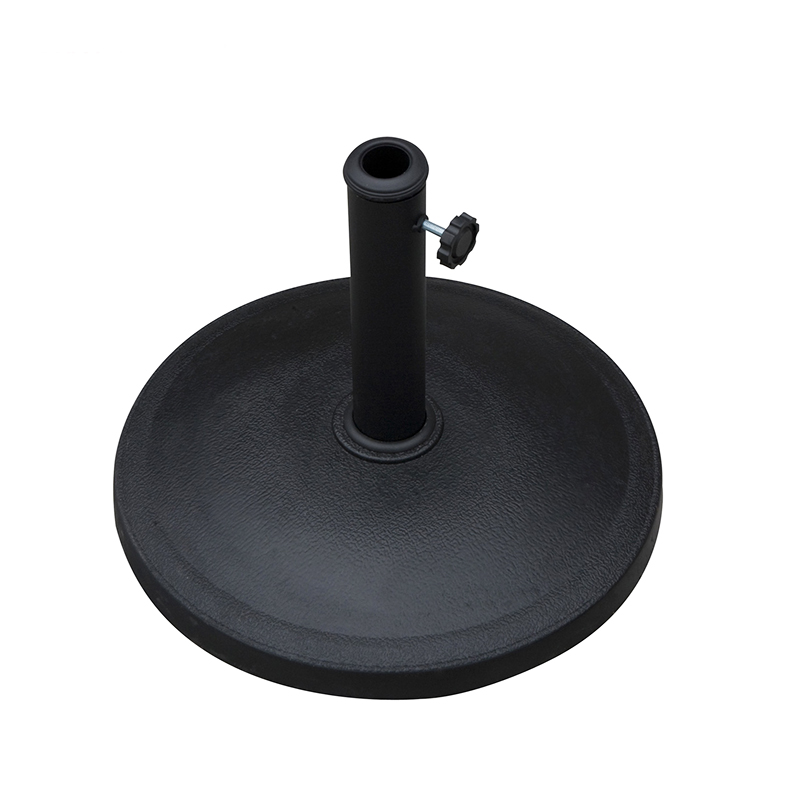 φ44.5xH33cm resin adjustable height base for straight umbrella UA1919 with anti-slip padBase for Straight umbrellaView Product →
Ask for filled weight, not just shipping weight. A fillable base may weigh little when empty and become stable only after sand or water is added. For procurement, confirm the rated fill volume, the actual fill material, and whether the base is intended for a through-table stem or a freestanding pole. A 50 lb base under a 9 ft canopy on an exposed roof deck is marginal; the same base in a sheltered courtyard may be adequate.
Choose the mounting style by surface and umbrella type
The mounting style decides whether the base can do its job, because a through-table base and a cantilever base solve different load paths.
- Through-table base: sits under the table and relies partly on table weight; good for compact patios, but not a substitute for a freestanding base.
- Freestanding plate or cross base: carries the umbrella independently; check footprint, stem height, and clearance for chairs.
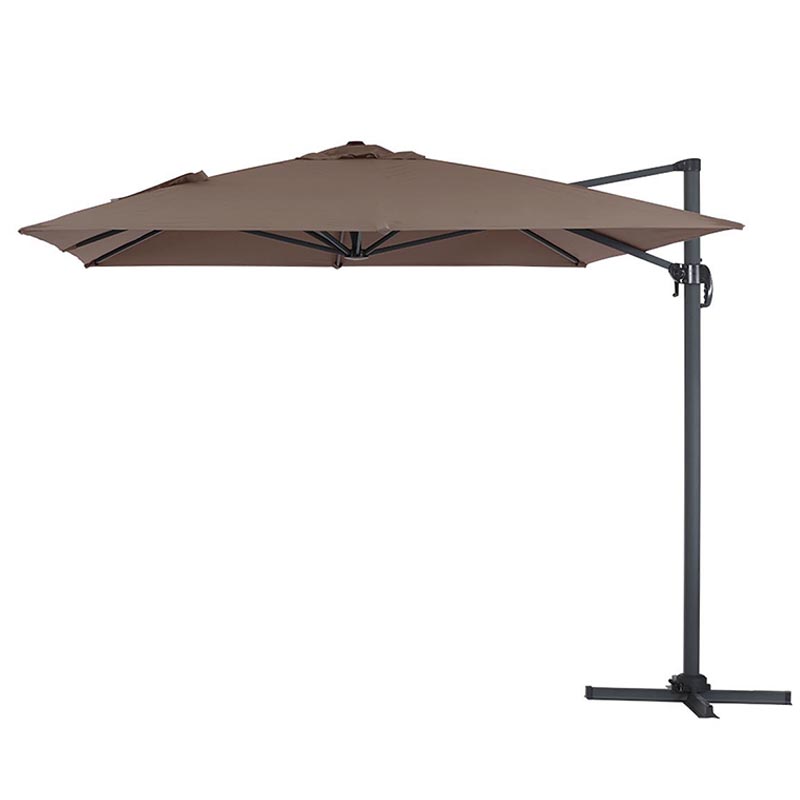
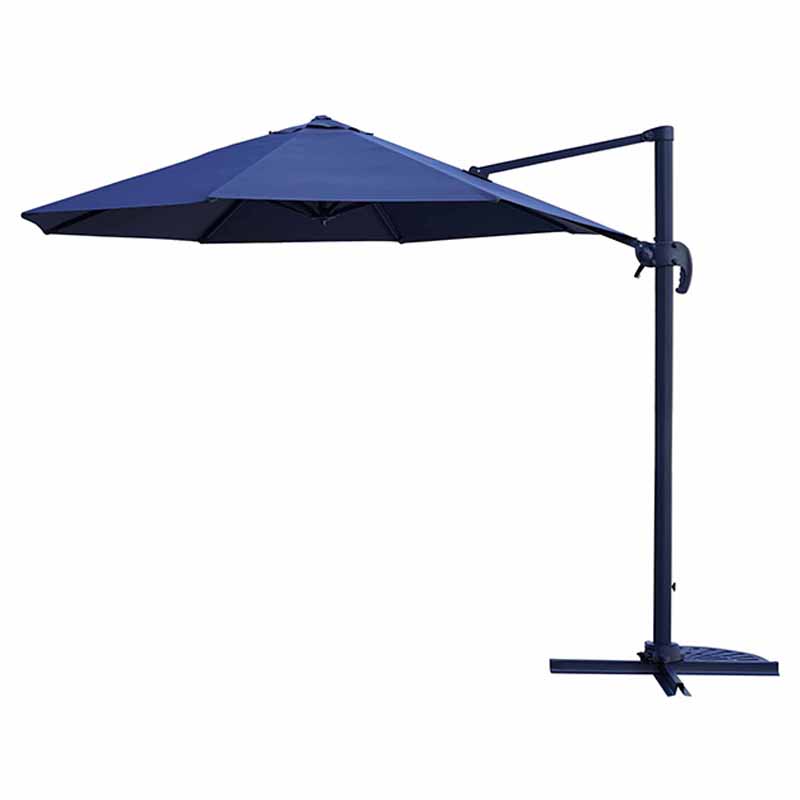
- Cantilever base: designed for side-pole load; must match the arm reach and rotation radius, not just the pole diameter.
- Anchor plate or in-ground mount: permanent option for concrete or structural decks; confirm bolt spacing and substrate thickness.
- Wood deck installation: spread load across joists and use a plate or blocking; do not rely on surface boards alone.
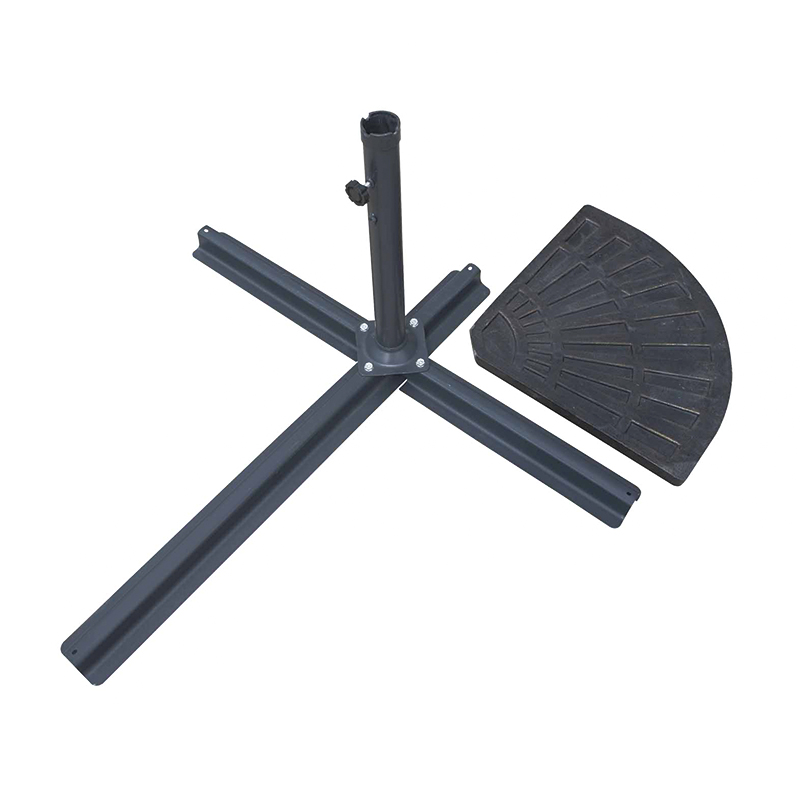 Resin Cantilever Umbrella Base UA1917Fan-shaped 12 kg resin cantilever umbrella base with central metal pole interface, intended to help stabilize the pole and reduce tipping in wind.View Product →
Do not substitute a straight-pole base for a cantilever umbrella. The side arm turns wind load into a tipping force, so the base needs a wider stance, more mass, and a mounting collar rated for that model. On concrete, anchor plates are stable but require drilling; on timber decks, the fixing method and joist location matter as much as the base weight.
Compare base materials by handling weight and maintenance
Cast stone and concrete give fixed mass with little flex; HDPE fillable bases trade empty weight for fill weight; powder-coated steel needs scratch inspection at welds and edges.
| Base material | Empty handling | Installed stability | Best use | Procurement check |
|---|---|---|---|---|
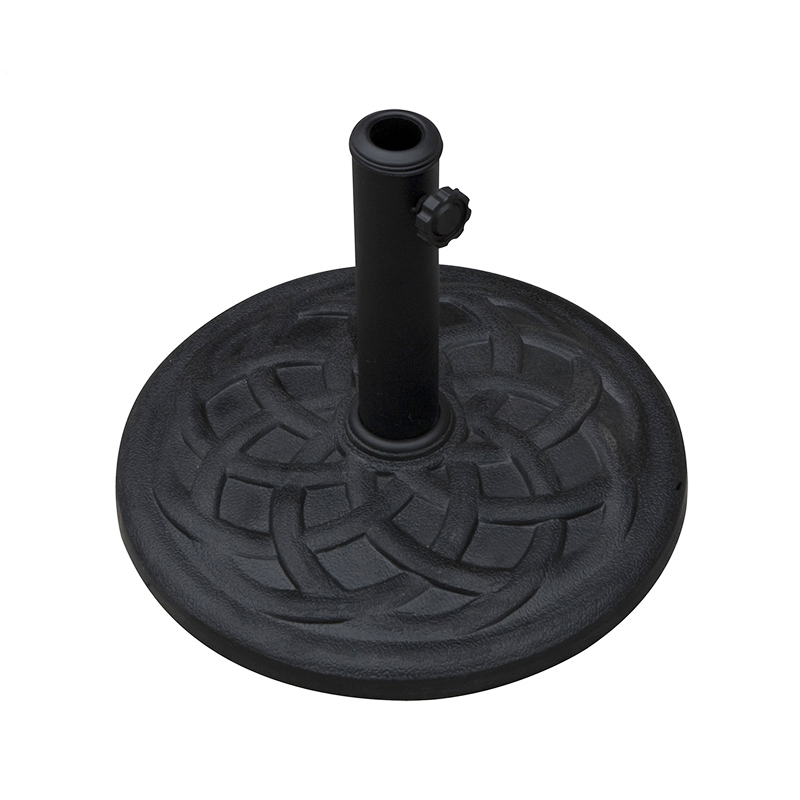
| Cast stone or resin | Heavy | High, fixed mass | Exposed patio, permanent look | Insert depth, stem thread, chipping risk |
| HDPE fillable | Light | Depends on fill | Seasonal, movable setups | Fill capacity, drain plug, UV grade |
| Powder-coated steel | Moderate | Moderate to high | Modern frames and cross bases | Weld quality, rust points, touch-up paint |
| Concrete | Very heavy | High | Permanent or commercial use | Cracks, lifting points, freeze-thaw resistance |
| Plastic base with pavers | Light | Variable | Low-cost temporary shade | Paver weight, slippage, footprint size |
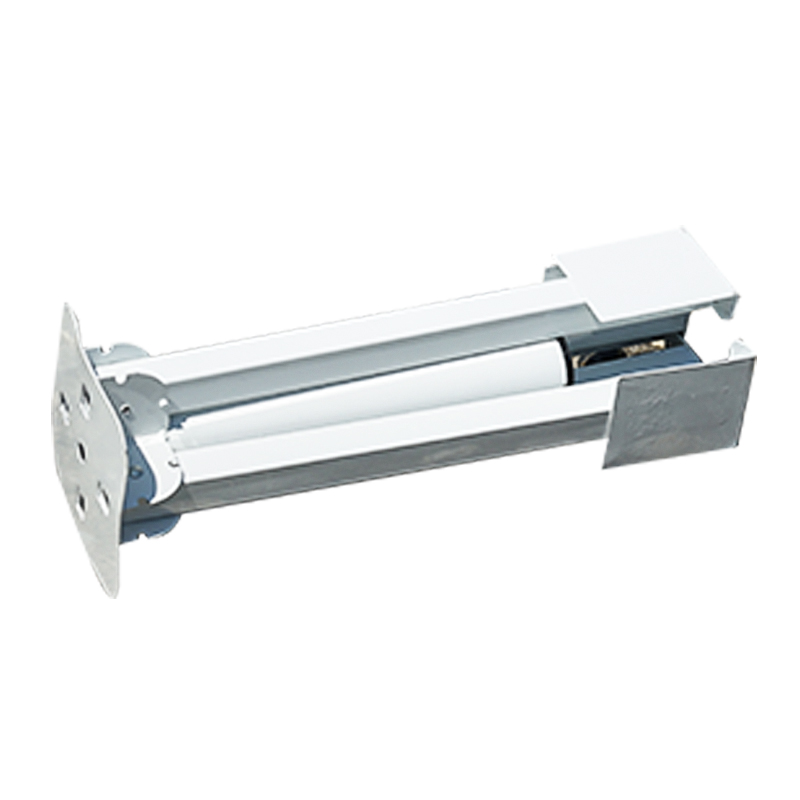 Steel Cross Umbrella Base UA1924Cross-shaped steel base for straight parasols with 25–38 mm poles, using four support arms to disperse weight and help prevent tipping.View Product →
For fillable bases, fill completely and check the plug. Water weighs about 8.3 lb per gallon; sand weighs roughly 12–13 lb per gallon, so a sand-filled base is heavier but harder to empty. In freezing climates, water fill can crack a base if it expands; use sand or drain the base before winter. For base footprints, stem heights, and fill options, review the patio umbrella base and accessory range.
Stabilize the whole system, not just the base
A base only works when the pole is vertical, the canopy is within its wind rating, and the load path is spread across the surface.
- Check level: a leaning pole shifts load to one edge of the base and can loosen the collar.
- Use a footprint plate or pavers on soft decking to spread point load, but secure them against sliding.
- Lock casters and inspect set screws, threads, and collars before each season.
- Close the canopy in gusts; an open umbrella can exceed the base’s rating even when the base feels heavy.
- Replace worn plastic inserts and bent stems rather than adding sandbags around a base that was never rated for the load.
Buying checklist: fit, fill, footprint, and finish
Use this checklist before ordering, especially for bulk or commercial projects.
- Measure the umbrella pole diameter and insert depth.
- Confirm canopy span and the maker’s minimum base weight.
- Match the mount to the surface: through-table, freestanding, cantilever, or anchor plate.
- Check the base footprint against chair legs, table feet, and walkways.
- Ask for filled weight and fill material, not empty weight alone.
- Review finish, drain plugs, and replacement-part availability.
- Plan winter storage so the base does not crack or become a trip hazard.
Frequently asked questions
Is a heavier patio umbrella base always better?
No. A heavy base with the wrong mount or a loose collar can still tip. Match weight to canopy span, mounting type, and wind exposure; cantilever models need a base designed for side load.
Can I use a through-table base without a table?
Only if it is designed as a freestanding base. A through-table base may have a short stem and a small plate that depend on table weight for stability.
How much base weight do I need for a 9 ft umbrella?
For a center-pole umbrella, 40–50 lb is a practical starting point; for a cantilever model, expect 80–120 lb or more. Always follow the umbrella maker’s minimum rating.
Should I fill a base with water or sand?
Sand is heavier and usually more stable; water is easier to empty. Fill completely, and avoid water fill in freezing weather unless the base is designed to drain and resist expansion.
Can a cantilever base sit on a wood deck?
It can, but the deck must handle the concentrated load. Spread the load across joists, use blocking or a plate, and check the installation method before drilling.
The best patio umbrella base is a system-matched component: the right weight for the canopy, the right mount for the surface, and the right material for how the site is used. Measure the pole, confirm the filled weight, and plan for wind before ordering. That approach keeps the umbrella stable and avoids the common cycle of buying a heavier base after the first tip-over.