2026-03-24
A garden parasol is an outdoor umbrella designed to provide shade, UV protection, and a stylish focal point for patios, gardens, terraces, and poolside areas. Whether you need a compact tilting parasol for a bistro table or a giant cantilever parasol for a full dining set, choosing the right one can transform how you enjoy your outdoor space.
Content
A garden parasol — also called a patio umbrella or outdoor umbrella — is a large, freestanding or table-mounted shade structure used in outdoor living spaces. Unlike a regular beach umbrella, garden parasols are engineered for prolonged outdoor use, featuring UV-resistant canopies, weather-proof frames, and robust base systems.
Here is why investing in a quality garden parasol makes sense:
Not all garden parasols are created equal. The type you choose depends on your space, intended use, and budget. Here is an overview of the main categories:
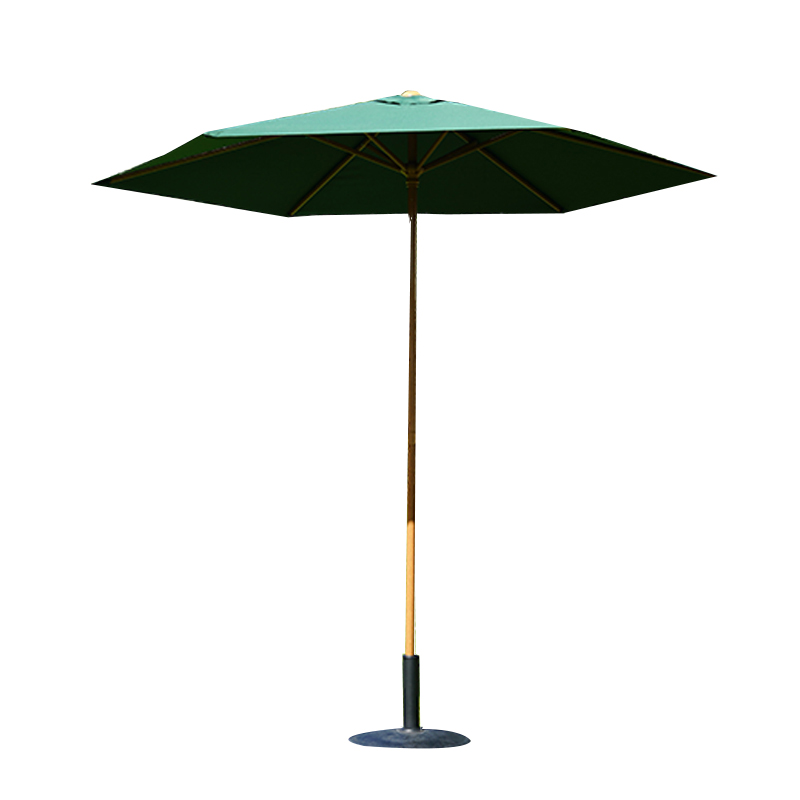
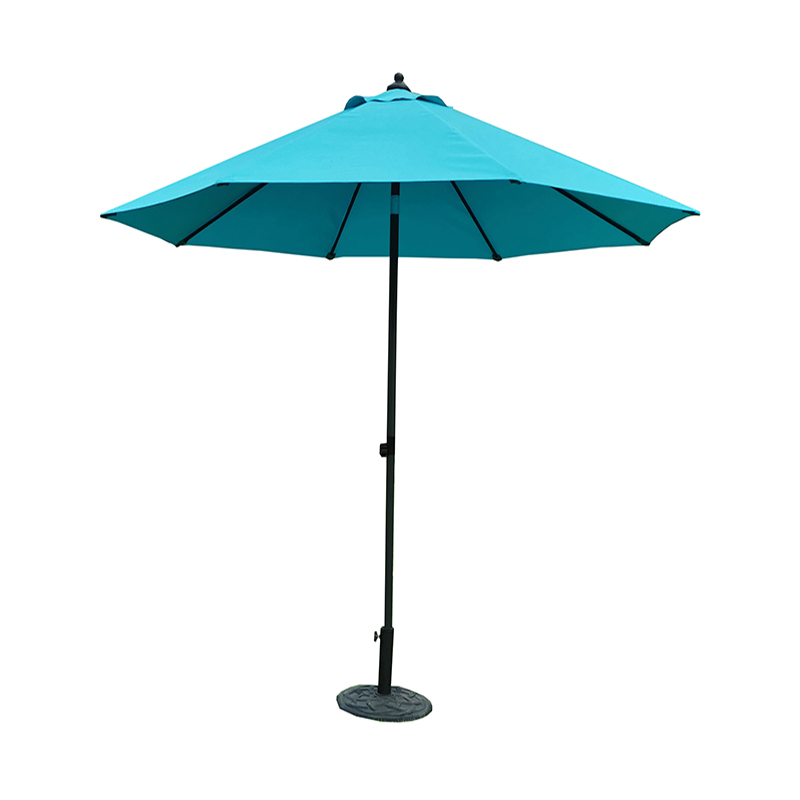
The most traditional and widely used type. The centre pole parasol inserts through the middle of a garden table, providing overhead shade directly above diners. It is easy to use, affordable, and comes in sizes from 2m to 4m in diameter.
Best for: Garden dining tables, café settings, standard patios.
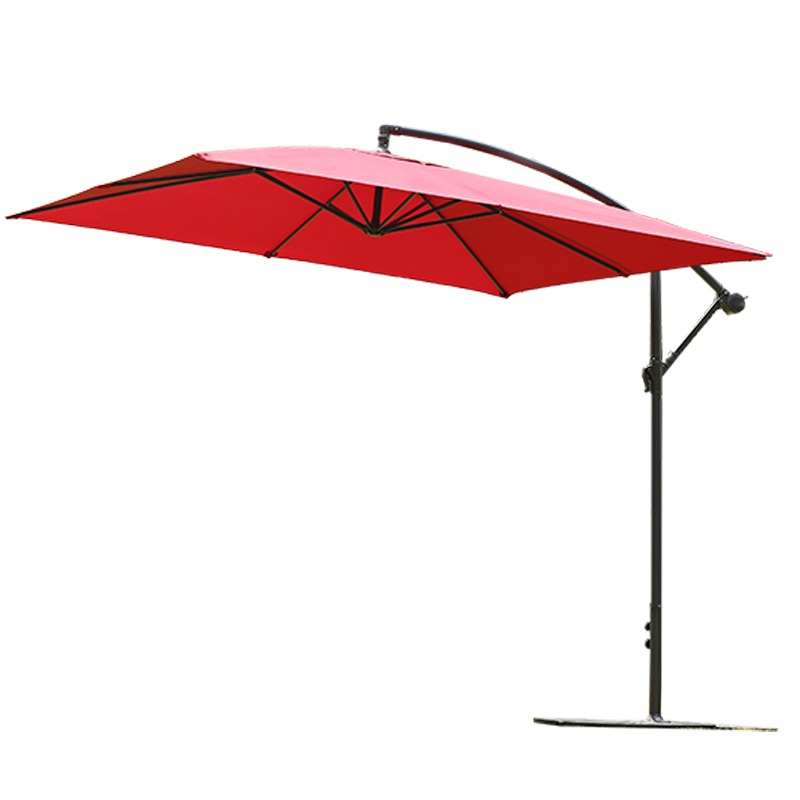
A cantilever parasol uses an offset arm to suspend the canopy from the side rather than the centre. This design eliminates the centre pole, giving you unobstructed space underneath — ideal for loungers, sofas, and irregular seating arrangements. Many cantilever models rotate 360° and tilt at multiple angles.
Best for: Sun loungers, corner spaces, swimming pools, modern terraces.
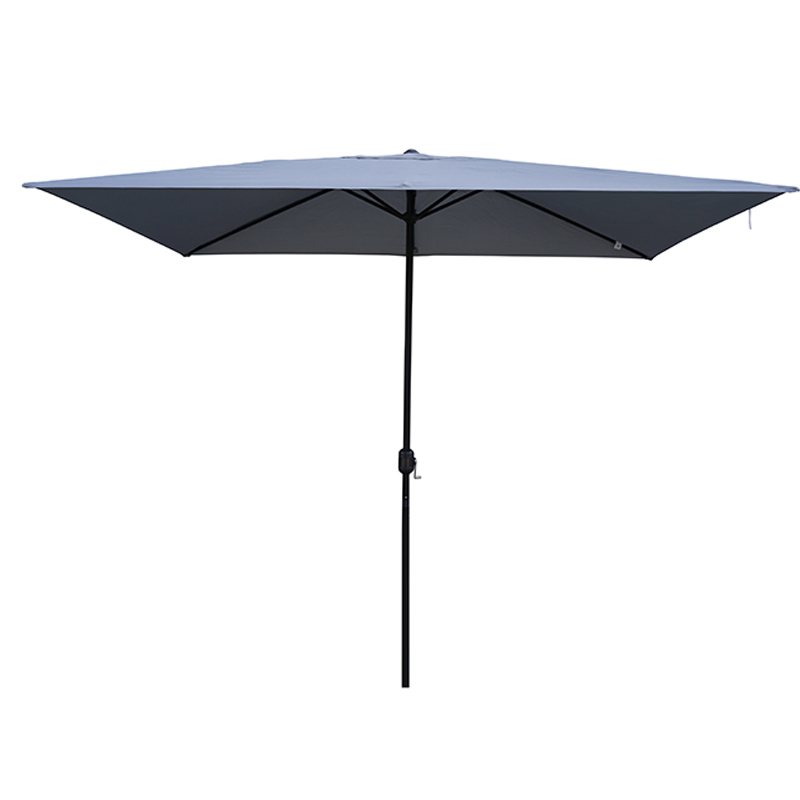
A tilting parasol features a central pole that can be angled to one side, allowing you to follow the sun's movement throughout the day without repositioning the whole structure. This is a practical upgrade over a standard centre pole parasol.
Best for: Households that spend extended periods outdoors and need adaptable shade.
A wall-mounted parasol attaches directly to an exterior wall or post, freeing up floor space. It is an excellent solution for compact balconies, narrow terraces, and courtyard gardens where a freestanding base would be impractical.
Best for: Small balconies, urban terraces, walls adjacent to seating areas.
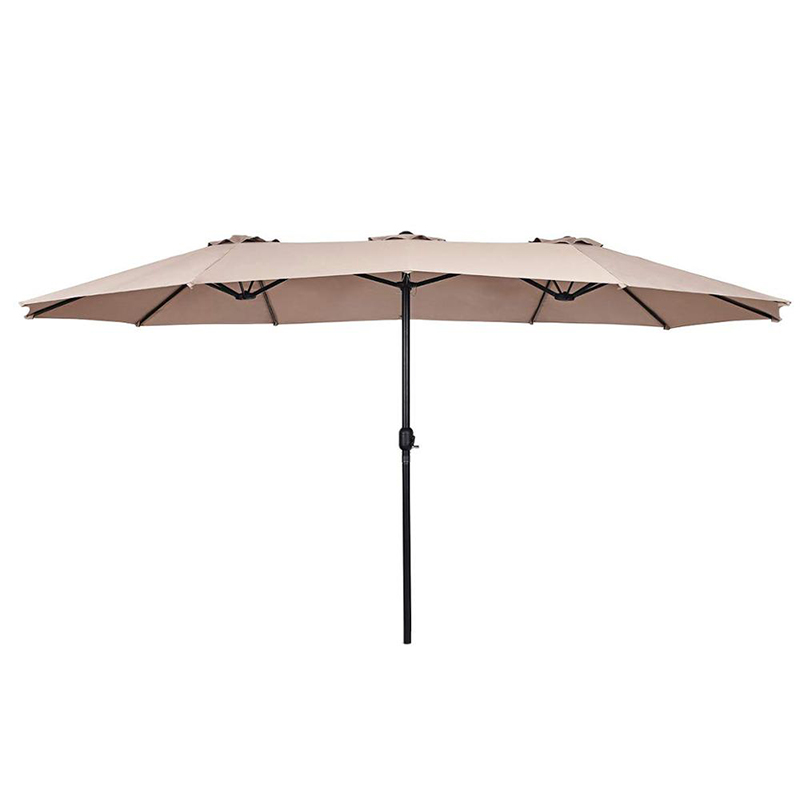
Giant garden parasols — typically 4m to 6m in diameter — are designed for commercial use in restaurants, hotels, and event spaces. They are built with heavy-duty aluminium or steel frames and often feature built-in LED lighting and heating systems.
Best for: Commercial hospitality venues, large garden parties, spacious estates.
Use this table to compare the key characteristics of each garden parasol type at a glance:
| Type | Size Range | Best Feature | Space Needed | Price Range |
| Centre Pole | 2m – 4m | Affordable, classic | Medium | £30 – £250 |
| Cantilever | 2.5m – 5m | 360° rotation, flexible | Large | £150 – £800+ |
| Tilting | 2m – 3.5m | Sun-tracking angle | Medium | £50 – £350 |
| Wall-Mounted | 1.5m – 3m | Space-saving | Small | £80 – £400 |
| Giant Commercial | 4m – 6m+ | Maximum coverage | Very Large | £500 – £3,000+ |
The frame of your garden parasol is fundamental to its durability, weight, and maintenance needs. Here is how the three main materials compare:
Aluminium garden parasols are the most popular choice for domestic use. The material is lightweight, corrosion-resistant, and requires very little maintenance. Powder-coated aluminium adds extra weather protection and comes in a wide range of colours. Its main limitation is that it can flex in very strong winds compared to steel.
Wooden garden parasols — particularly teak — offer a warm, premium aesthetic that suits traditional and cottage-style gardens. Teak is naturally weather-resistant and extremely durable, but it requires annual oiling to maintain its finish. FSC-certified timber is the environmentally responsible choice. Wood frames are heavier than aluminium but have a timeless charm.
Steel-framed parasols are the strongest option and are typically used in commercial settings or for very large canopy sizes. They are heavier, which can make repositioning difficult, and they need galvanised or powder-coated protection to prevent rust over time.
| Material | Weight | Durability | Maintenance | Aesthetics |
| Aluminium | Light | High | Very Low | Modern / Minimal |
| Hardwood | Heavy | Very High | Medium (oiling) | Classic / Premium |
| Steel | Very Heavy | Very High | Medium (rust check) | Industrial / Commercial |
The canopy is the most important functional component of any garden parasol. The fabric must resist UV radiation, repel rain, resist mould, and remain colourfast after years of outdoor exposure. Key canopy materials include:
Key canopy ratings to check:
Choosing the correct garden parasol size is critical. Too small and it won't shade your seating area; too large and it may overwhelm the space or become unsafe in wind. Follow these guidelines:
| Parasol Diameter | Shaded Area | Recommended Use |
| 2m | ~2.5 m² | Bistro table (2 people) |
| 2.5m | ~4 m² | Small garden table (4 people) |
| 3m | ~6.5 m² | 6-seat dining set, sunloungers |
| 3.5m – 4m | ~10–12 m² | Large outdoor dining, pool areas |
| 5m+ | 20 m²+ | Commercial, events, large estates |
Pro Tip: For centre pole parasols, the canopy should extend at least 50cm beyond each side of your table to properly shade seated guests.
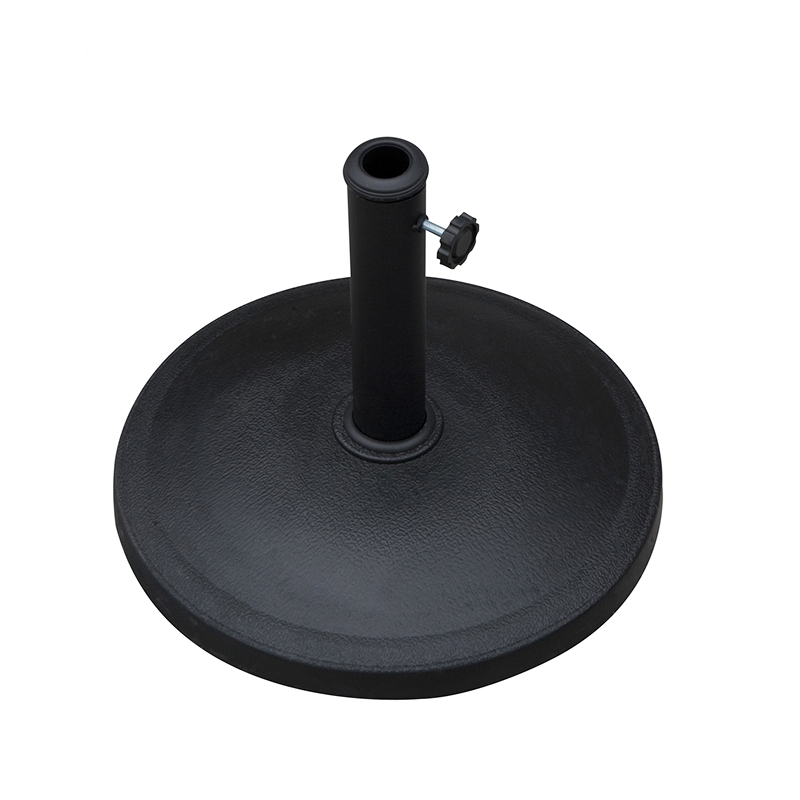
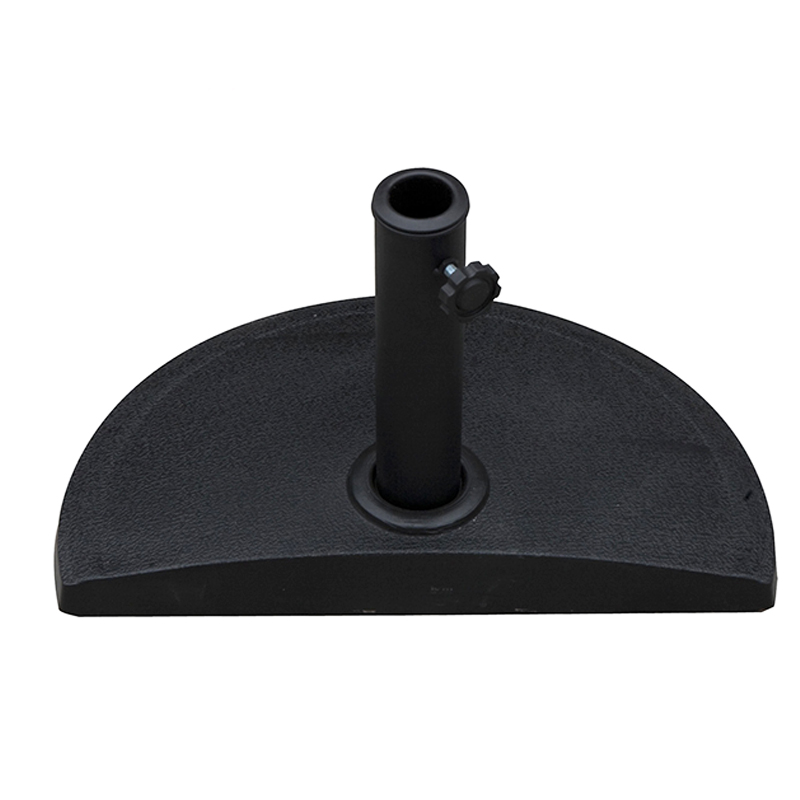
A garden parasol base is non-negotiable for safety. Without an adequately weighted base, even a gentle gust of wind can topple a parasol and cause injury or damage. Here is what you need to know:
Beyond type and material, the following features can significantly improve your experience with a garden parasol:
Proper maintenance ensures your garden parasol remains safe, functional, and attractive for many years. Follow these essential care steps:
Safety is paramount when using a garden parasol. Follow these precautions to protect yourself and those around you:
A: For a standard rectangular 6-seat dining table (approximately 180cm x 90cm), a 3m round parasol is the minimum recommended size. If your table is larger or you want shade for the surrounding chairs, consider a 3.5m model or a cantilever parasol for greater flexibility.
A: Most quality garden parasols are water-resistant but not fully waterproof. They can handle light to moderate rain, but extended heavy rainfall may eventually seep through the canopy. For full rain protection, look for parasols with a hydrostatic head rating of 1,500mm or above, or choose a model with an additional waterproof lining.
A: The most effective solution is using an adequately weighted parasol base — heavier than you might expect. A 3m parasol typically needs a 30kg+ base. Additionally, closing the parasol when wind speeds exceed 25 mph is the single most important safety measure. Some users also anchor the base to a paving slab or deck plate for extra security.
A: In everyday usage, "garden parasol" and "garden umbrella" or "patio umbrella" all refer to the same type of product — a large outdoor shade structure. Technically, a "parasol" is designed primarily for sun protection, while an "umbrella" also handles rain, but in the garden furniture market the terms are interchangeable.
A: With proper care and winter storage, a quality garden parasol should last 5–10 years. Premium models with solution-dyed acrylic canopies and aluminium or hardwood frames can last 10–15 years. Budget polyester canopies typically fade and weaken after 2–4 seasons of full sun exposure.
A: It is not recommended. While some high-end garden parasols are marketed as "all-weather," prolonged exposure to winter frost, ice, heavy snow, and UV degrades even the best materials over time. Storing the canopy indoors during winter and using a protective cover on the frame will dramatically extend its lifespan.
A: Cantilever garden parasols are significantly more expensive than centre pole models, but they offer a level of versatility that is genuinely useful — particularly for households with sun loungers, irregular furniture layouts, or poolside areas. The absence of a centre pole also creates a cleaner, more contemporary look. If your budget allows and your space suits it, the investment is usually worthwhile.
Selecting the ideal garden parasol comes down to four key decisions: type, size, material, and features. Here is a quick summary to guide your final choice:
Whichever model you choose, prioritise a UPF 50+ canopy, a frame appropriate for your climate, and a base heavy enough to keep the structure safely anchored. A quality garden parasol is not merely a luxury — it is an investment in your outdoor lifestyle, your family's health, and the longevity of your garden furniture.
related products
Be the First to Know
+86 13357500282
Songxia Town, Shangyu District, Shaoxing City, Zhejiang Province, China
China Parasols Factory And Wholesale Garden Umbrellas Manufacturers


 English
 Español
 عربى
عربى
 Português