2026-04-01
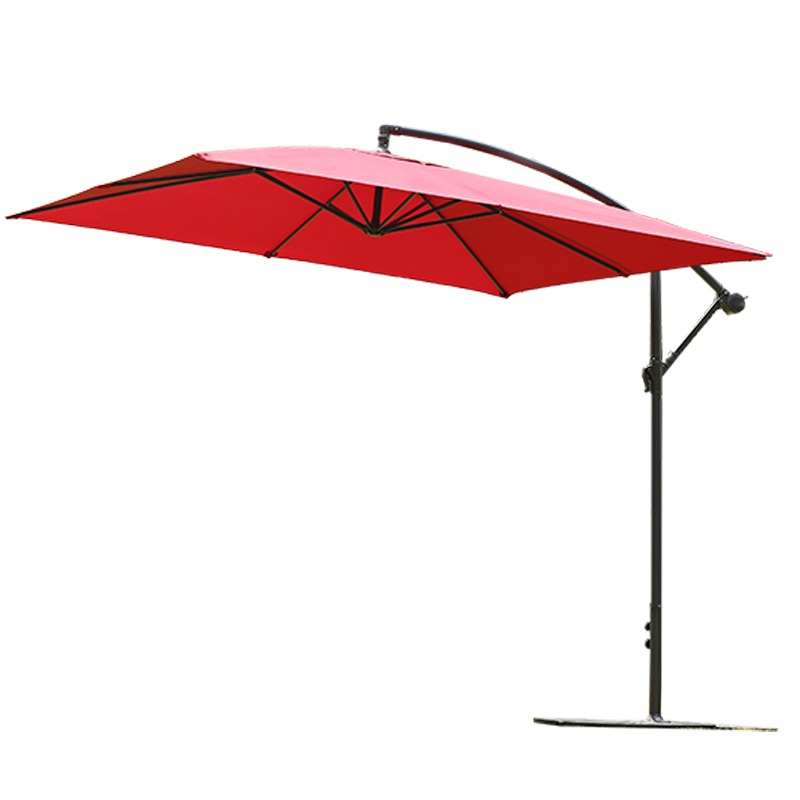
An Ampelschirm is the German term for a cantilever umbrella — a freestanding outdoor shade solution where the canopy is suspended from a side-mounted, offset arm rather than a center pole. This design allows complete, unobstructed shade over seating areas, patios, pools, and terraces. If you are looking for flexible, stylish, and practical sun protection without a pole in the middle of your table, a cantilever umbrella (Ampelschirm) is the answer.
Whether you encounter it as Ampelschirm in German-speaking markets or as a cantilever umbrella in English-speaking regions, the product is the same: an ingenious overhead shading system that has become a staple of modern outdoor living. This comprehensive guide explains how they work, what sets them apart, how to choose the right one, and answers the most frequently asked questions.
Content
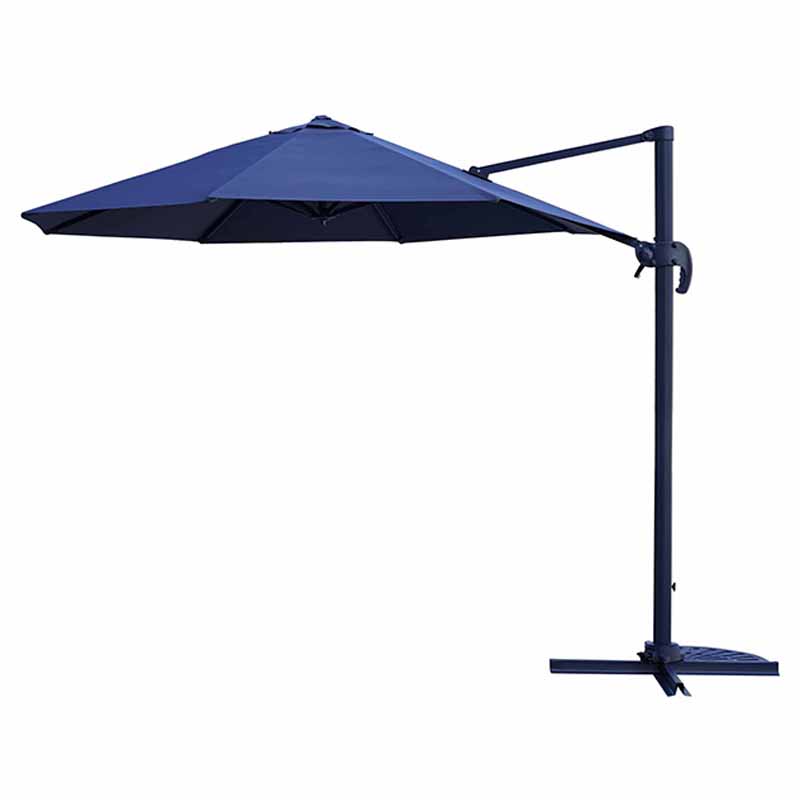
The structural genius of the Ampelschirm lies in its cantilever engineering. A heavy, weighted base anchors a vertical or angled post off to one side of the shaded zone. From the top of this post, a horizontal or curved arm extends outward, from which the umbrella canopy hangs — exactly like a street lamp (which is precisely what "Ampel" means in German).
This offset construction means:
The base is typically filled with water, sand, or concrete to counterbalance the extended arm. Higher-quality cantilever umbrellas use precision crank systems, locking mechanisms, and corrosion-resistant hardware to ensure safe, reliable operation.
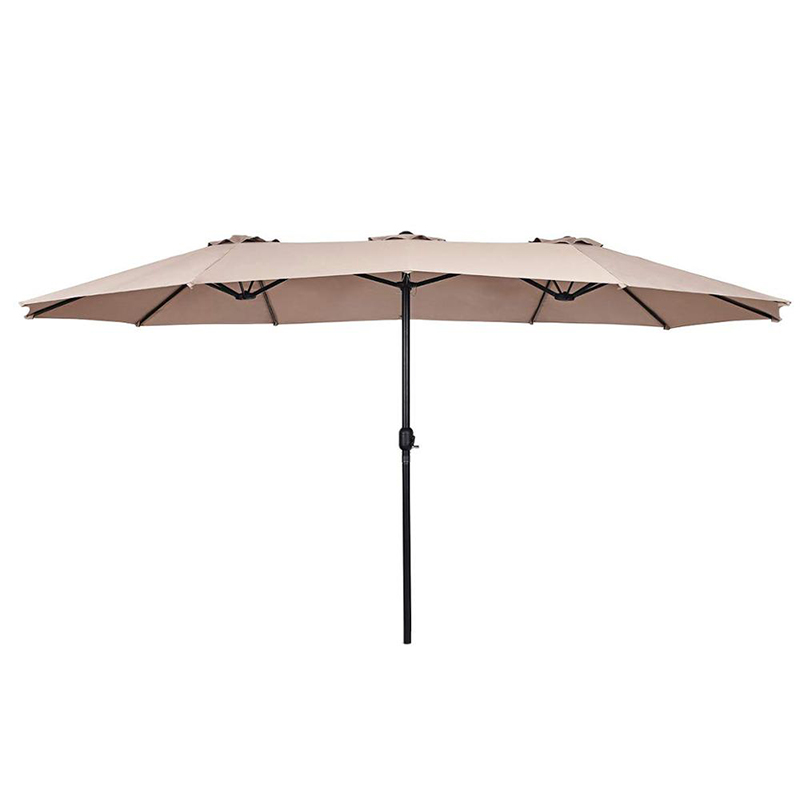
Understanding the differences between a cantilever umbrella and a standard patio umbrella is essential before purchasing. Below is a detailed side-by-side comparison.
| Feature | Ampelschirm / Cantilever Umbrella | Traditional Center-Pole Umbrella |
| Center Obstruction | None — completely pole-free underneath | Center pole runs through table hole |
| Rotational Flexibility | 360° rotation of arm | Limited tilt only |
| Canopy Size Range | Up to 6 × 6 m and beyond | Typically 2–4 m diameter |
| Sun Tracking | Easy arm rotation + tilt adjustment | Must reposition the whole base |
| Stability in Wind | Heavy base; very stable when ballasted | Requires table anchor or extra weight |
| Portability | Heavier; less portable | Lighter; easier to move |
| Aesthetic Appeal | Modern, architectural look | Classic but conventional |
| Price Range | Higher investment (mid–premium) | Lower entry cost |
| Pool / Lounge Use | Ideal — no table required | Needs a table with umbrella hole |
Verdict: For large patios, pool decks, terraces, and anyone who values flexible sun positioning without a center pole, the Ampelschirm is the clear winner. A standard center-pole umbrella may suffice for compact spaces or tighter budgets.
Not all cantilever umbrellas are the same. They come in several configurations to suit different spaces and needs.
The most popular design: a single vertical mast with a side-extending arm. The base sits outside the shaded zone. Ideal for residential patios, dining areas, and small to medium commercial settings. Available in square, rectangular, and round canopy shapes, typically from 3 × 3 m to 5 × 5 m.
Two support posts are connected by a crossbar from which a very large canopy is suspended. This configuration allows coverage of 6 × 3 m, 8 × 4 m, or even larger areas. Common in commercial hospitality settings like restaurant terraces, hotel pools, and event spaces.
The mast is fixed directly to a wall or structural pillar, eliminating the need for a freestanding base entirely. This is an excellent solution for narrow balconies, urban terraces, and spaces where floor area is limited. The arm extends out from the wall at a height of 2–3 m.
The post is secured into a concrete sleeve or ground anchor permanently installed in the patio or deck. This provides the highest level of stability and is ideal for permanent outdoor installations. Often used in professional landscaping and commercial outdoor dining projects.
Choosing the right Ampelschirm requires evaluating several key factors. Here is what matters most:
The frame is the backbone of any cantilever umbrella. The three main options are:
The fabric determines UV protection, water resistance, and longevity. Key specifications to look for:
Entry-level models use a simple rope-and-pulley system. Mid-range Ampelschirm models incorporate a hand crank. Premium cantilever umbrellas offer push-button electric motors that open and close the canopy at the touch of a button — some even integrate smart home compatibility.
The best cantilever umbrellas offer 360° arm rotation combined with infinite tilt adjustment of the canopy (often ±30° or ±45°). This combination allows the canopy to track the sun at any time of day without moving the base, which is one of the most valued features of a high-quality Ampelschirm.
The larger the canopy, the heavier the base needs to be. As a general rule, the base weight should be at least 3–4 times the canopy area in kilograms when using a water-filled base. For a 3 × 3 m canopy (9 m²), a base of 80–120 kg when filled is a practical minimum in moderate wind conditions.
Choosing the correct canopy size ensures comfortable coverage without overpowering your space. Use this guide to match canopy size to your use case:
| Canopy Size | Coverage Area | Ideal Use Case | Recommended Base Weight |
| 2.5 × 2.5 m | ~6 m² | Small balcony, 2-seat bistro set | 50–80 kg |
| 3 × 3 m | ~9 m² | 4-seat dining table, lounge area | 80–120 kg |
| 4 × 3 m | ~12 m² | 6-seat dining, pool lounger row | 120–160 kg |
| 4 × 4 m | ~16 m² | Large patio, 8-seat outdoor dining | 150–200 kg |
| 5 × 5 m + | 25+ m² | Commercial terrace, hotel pool | 200+ kg or ground anchor |
A well-maintained cantilever umbrella can last 10–20 years. Follow these best practices:
Inspect all bolts, joints, and locking mechanisms at the start of each season. Tighten any loose fasteners and replace worn or corroded hardware promptly. A well-maintained Ampelschirm mechanism operates smoothly and safely for many years with minimal intervention.
The versatility of the Ampelschirm makes it suitable for a wide range of applications:
For anyone serious about creating a comfortable, stylish, and functional outdoor living space, the answer is a resounding yes. A cantilever umbrella — or Ampelschirm — offers a level of flexibility, coverage, and modern aesthetic that no traditional center-pole umbrella can match.
The offset design frees up the center of your space, the 360° rotation follows the sun throughout the day, and the wide range of sizes means there is an Ampelschirm for every patio — from a compact balcony to a sprawling commercial terrace.
Invest in a quality frame material, prioritize UV-protective and weather-resistant fabric, and choose a base weight appropriate for your canopy size and local wind conditions. With these decisions made, a cantilever umbrella will be one of the most-used and most-appreciated additions to your outdoor space for many years to come.
related products
Be the First to Know
+86 13357500282
Songxia Town, Shangyu District, Shaoxing City, Zhejiang Province, China
China Parasols Factory And Wholesale Garden Umbrellas Manufacturers


 English
 Español
 عربى
عربى
 Português