2026-04-08
Parasol bases are weighted supports designed to hold outdoor umbrellas or parasols firmly in place on patios, decks, poolsides, and garden spaces. Choosing the right parasol base is essential — the wrong one can leave your umbrella unstable, prone to tipping in the wind, or unable to support a larger canopy. This guide covers everything you need to know: types, materials, weight requirements, and how to match a base to your specific parasol.
Content
Many outdoor furniture buyers focus on the parasol canopy — its colour, size, and UV protection — but overlook the parasol base. This is a costly mistake. A poorly matched base can lead to dangerous tip-overs, damaged furniture, and even injury. Wind load is the primary threat: even a light breeze of 20 km/h can exert significant lateral force on an open canopy.
The right parasol base provides three core benefits:
Not all parasol bases are created equal. They differ in material, shape, fill method, and intended use. Here are the main categories available on the market today:
Cast iron parasol bases are among the heaviest and most durable options available. They typically weigh between 15 kg and 30 kg and require no filling. Their significant weight provides excellent stability for medium to large parasols. Cast iron bases often feature ornate or traditional designs that suit classic garden aesthetics, though they can rust if not properly treated or powder-coated.
Concrete parasol bases are a cost-effective and extremely stable solution. Available in weights from 20 kg to over 50 kg, they are ideal for large cantilever or market-style parasols. Their industrial look can either complement contemporary garden design or be covered with decorative wraps. Concrete is highly resistant to weather but very difficult to move once positioned.
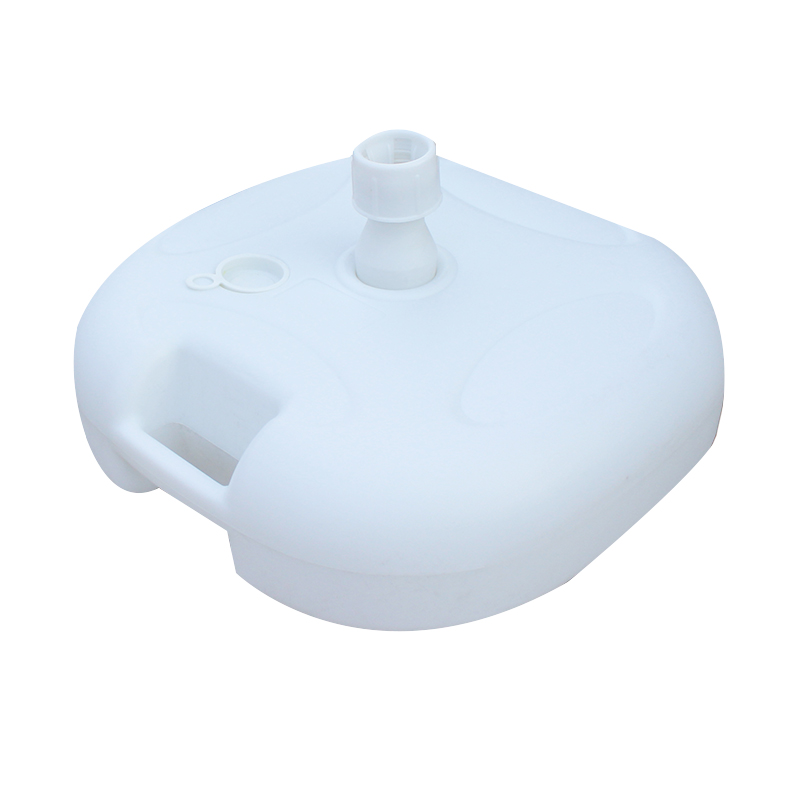
Fillable plastic parasol bases are lightweight when empty but gain significant weight once filled with water or sand. A standard fillable base holds 15–25 litres of water (roughly 15–25 kg) or slightly more weight in sand. These are popular for their portability — they can be emptied and moved indoors during winter. However, they offer less stability than solid bases and UV exposure can degrade the plastic over time.
Natural stone and granite parasol bases are premium options that add a high-end finish to luxury garden settings. They tend to be very heavy (25–60 kg), weatherproof, and virtually maintenance-free. Granite bases are particularly popular for coastal or exposed locations where corrosion resistance is critical. The trade-off is price — stone bases are typically the most expensive option.
Some outdoor dining tables come with a central hole designed to accommodate a parasol pole, effectively using the table itself as part of the parasol base system. A separate base weight is placed beneath the table. This integrated approach saves space and creates a clean look but limits the parasol's lateral adjustability.
Use this table to quickly compare the most common parasol base types side by side:
| Base Type | Typical Weight | Portability | Durability | Price Range | Best For |
| Cast Iron | 15–30 kg | Low | High | ££–£££ | Classic garden settings |
| Concrete | 20–50+ kg | Very Low | Very High | £–££ | Large parasols, fixed positions |
| Fillable Plastic | 15–25 kg (filled) | High | Medium | £ | Seasonal or flexible use |
| Granite/Stone | 25–60 kg | Very Low | Excellent | £££–££££ | Luxury or coastal settings |
| Table Integrated | Varies | Medium | High | ££–£££ | Dining table setups |
The weight of a parasol base should be proportional to the size of the canopy. A general rule of thumb used by outdoor furniture professionals is:
These are minimum recommendations. In exposed, windy locations — coastal properties, rooftop terraces, or elevated decks — you should increase the base weight by at least 30–50% beyond the minimum. Parasol bases for cantilever designs are particularly critical, as the off-centre load creates greater tipping leverage.
One of the most commonly overlooked factors when buying a parasol base is the pole diameter compatibility. Most parasol bases are designed for specific pole sizes:
| Pole Diameter | Typical Parasol Size | Common Use |
| 32 mm | Up to 2 m | Small café or balcony |
| 38 mm | 2–2.5 m | Residential patio |
| 48 mm | 2.5–3.5 m | Garden dining, commercial |
| 60 mm+ | 3.5 m+ | Commercial / hospitality |
Many parasol bases come with multiple sleeve adapters to accommodate different pole sizes. Always verify the inner diameter of the base sleeve before purchasing — a loose fit reduces stability and accelerates pole wear.
Steel parasol bases offer a sleek, modern appearance and significant weight. Powder-coating protects against rust and is available in a wide range of colours. However, bare steel is susceptible to corrosion in wet or coastal climates.
Aluminium parasol bases are rust-proof and lighter than steel or cast iron, making them a good mid-range option. They are particularly suitable for coastal properties. However, aluminium bases tend to be more expensive than steel equivalents and may lack sufficient weight for larger parasols unless designed with additional mass.
Resin parasol bases — especially high-density polyethylene (HDPE) — are UV-resistant and lightweight when empty. Once filled with water or sand, they become adequately heavy for most residential parasols. These are ideal for users who need to store bases during winter or frequently change the parasol's position.
Ceramic and terracotta parasol bases bridge the gap between functional garden accessories and decorative planters. They add a Mediterranean or artisan feel to outdoor spaces. However, they are fragile — particularly in frost-prone climates — and should be brought indoors during winter months.
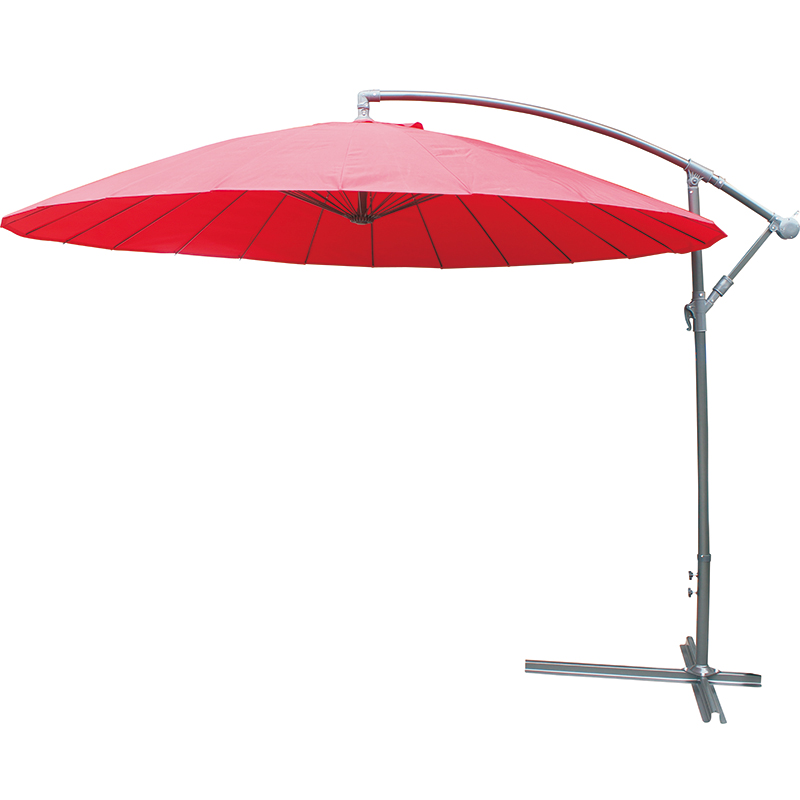
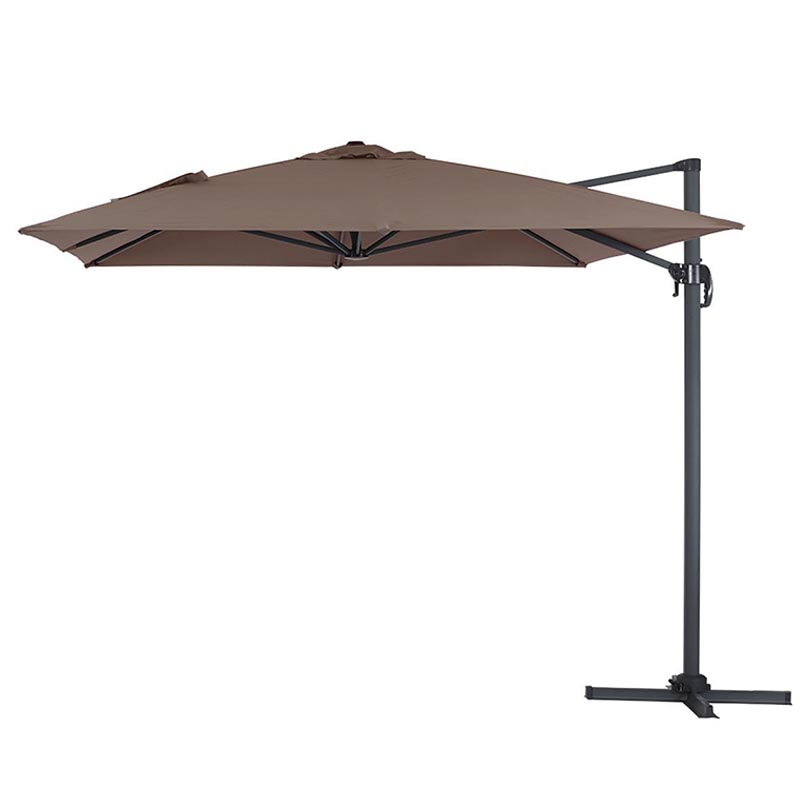
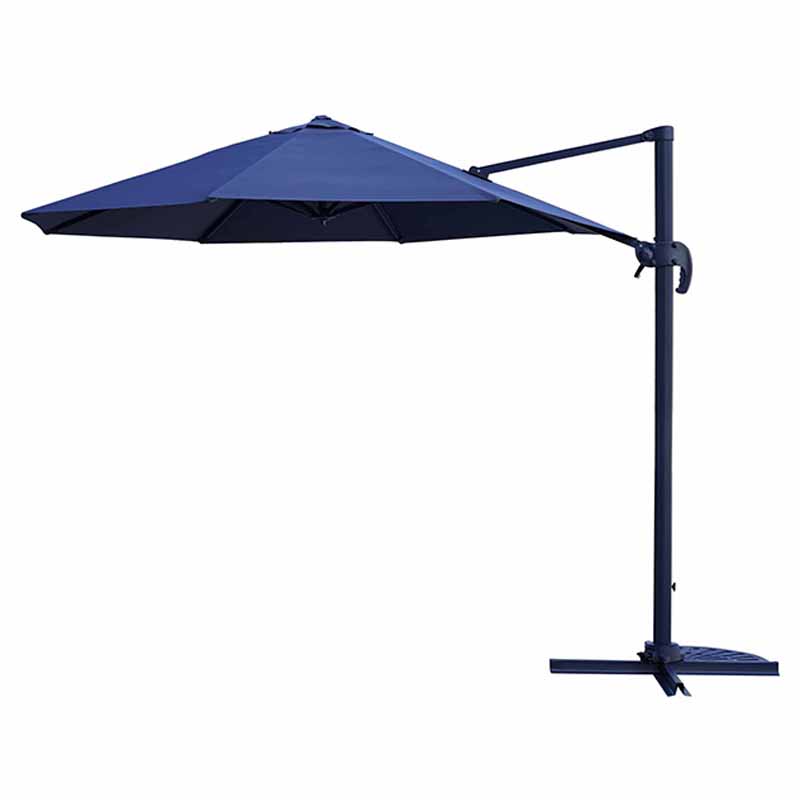
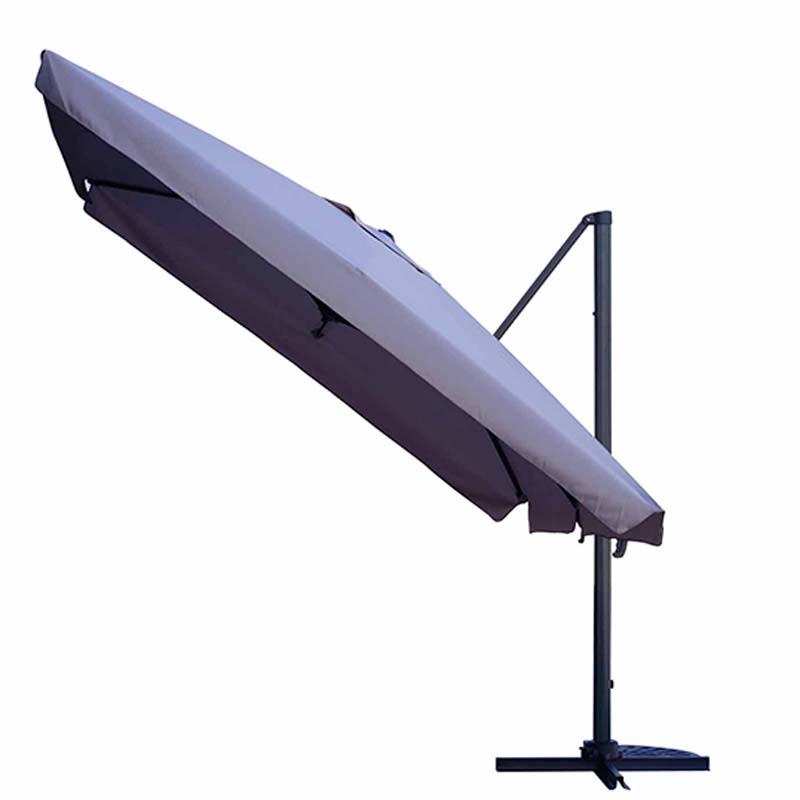
Cantilever parasol bases deserve special attention. Unlike centre-pole designs, a cantilever parasol's arm extends to the side — placing the canopy off-centre relative to the base. This creates a lever effect that dramatically increases the tipping force on the base.
Most manufacturers of cantilever parasols recommend a minimum base weight of 50–80 kg. For a 3.5 m cantilever parasol in a moderate-wind environment, a base of at least 60 kg is strongly advisable. Many cantilever systems use a set of individual parasol base plates (typically 20–25 kg each) that can be stacked and added incrementally.
Key features to look for in a cantilever parasol base:
While function comes first, the visual impact of a parasol base should not be dismissed. The base will be visible from seating areas and contributes to the overall aesthetic of your outdoor space.
A quality parasol base can last many years with proper care. Follow these maintenance tips to extend its lifespan:
Before purchasing a parasol base, ask yourself these key questions:
Q: Can I use any parasol base with my parasol?
Not necessarily. You must match the pole diameter of your parasol to the sleeve diameter of the base. You also need sufficient weight for your canopy size and wind exposure. Using a mismatched or undersized parasol base is a safety risk.
Q: Is sand or water better for filling a parasol base?
Sand is denser than water and provides approximately 20–30% more weight for the same volume. However, sand is harder to drain and dispose of. Water is more convenient for seasonal emptying. For maximum stability with a fillable parasol base, sand is the better choice.
Q: How heavy should a parasol base be for a 3 m parasol?
For a standard 3 m diameter parasol in a sheltered garden, a parasol base of at least 25–30 kg is recommended. In an exposed or windy area, aim for 35–45 kg or more.
Q: Can I leave my parasol base outside all year?
This depends on the material. Stone, granite, and high-quality powder-coated steel or aluminium parasol bases can generally withstand year-round outdoor exposure. Fillable plastic bases should be drained before winter to prevent freeze damage. Cast iron bases should be covered or brought indoors to prevent rust.
Q: Do parasol bases work on grass or decking?
Yes, but with caveats. On grass, parasol bases may sink slightly over time, especially when wet. A paving slab placed under the base helps distribute the load. On decking, ensure the base weight does not exceed the structural rating of the deck boards. Protective pads under the base prevent scratching of composite or timber decking.
Q: What is the difference between a parasol base and a parasol spike?
A parasol base sits on the ground surface using its own weight for stability. A parasol spike is pushed or screwed into the ground — typically lawn or soil — and relies on ground friction rather than weight. Spikes are lightweight and affordable but only suitable for soft ground and smaller parasols.
A parasol base is not a trivial accessory — it is the foundation of a safe, stable, and beautiful outdoor shade solution. From cast iron classics to granite slabs and fillable plastic options, the right base depends on your parasol size, location, climate, and personal aesthetic.
Always prioritise weight compatibility and pole diameter fit before considering aesthetics. Buying an undersized or mismatched parasol base to save money is a false economy — it can result in costly damage and potential safety hazards. With the right parasol base, your outdoor umbrella will stand firm through summer seasons for years to come.
related products
Be the First to Know
+86 13357500282
Songxia Town, Shangyu District, Shaoxing City, Zhejiang Province, China
China Parasols Factory And Wholesale Garden Umbrellas Manufacturers


 English
 Español
 عربى
عربى
 Português