2025-12-05
As outdoor leisure continues to grow in popularity, the Beach Parasol Umbrella has become an essential piece of equipment for coastal tourism, resorts, and personal recreation. However, not all parasols perform the same under real beach conditions. One of the most critical factors that determines performance is structural stability.
High winds, shifting sand, and long sun exposure place continuous stress on a parasol. The internal structure—ribs, pole, joints, base, and material design—largely determines whether a beach parasol stands firm or collapses under pressure.
Content
The pole forms the backbone of a Beach Parasol Umbrella and plays a decisive role in overall stability.
Thicker pole diameters and reinforced wall thickness significantly improve resistance to bending and vibration.
The ribs distribute wind pressure across the canopy. Their design directly impacts balance and shape retention.
Weak joints are a common failure point. High-quality Beach Parasol Umbrella models feature:
A secure locking system prevents unwanted collapsing while ensuring consistent height stability.
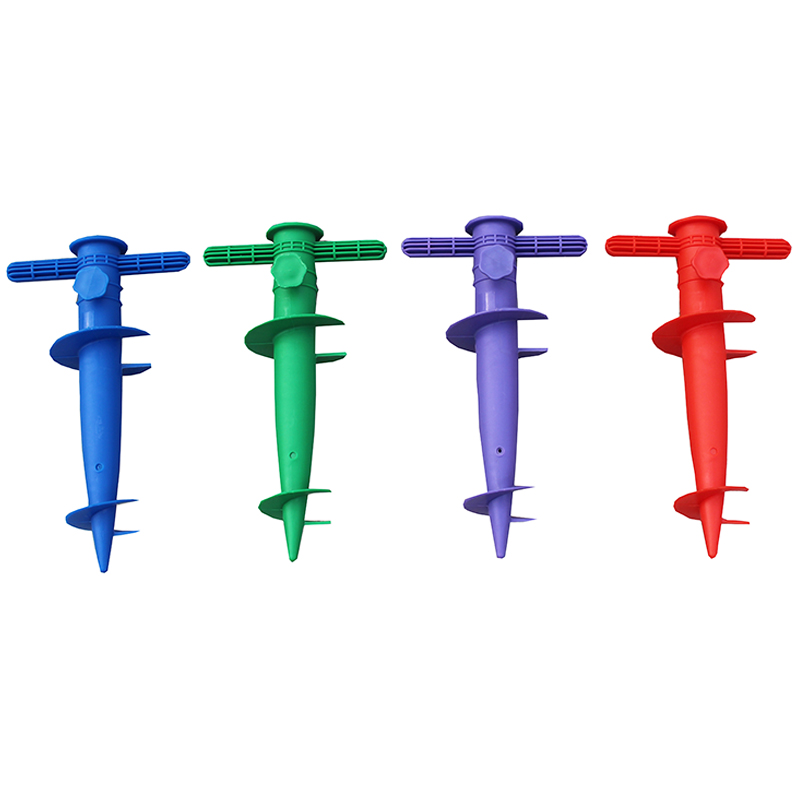
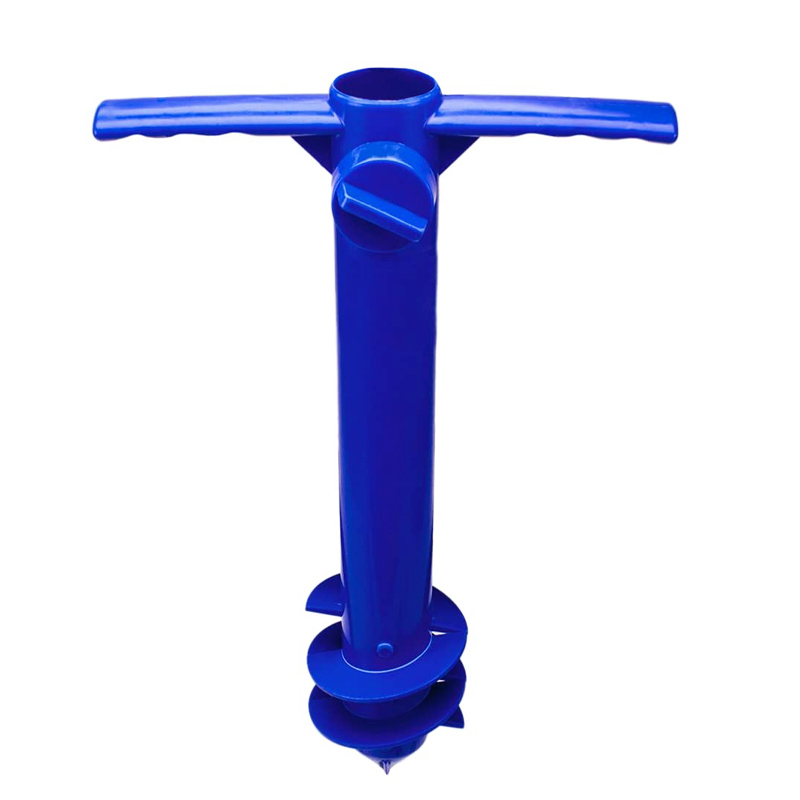
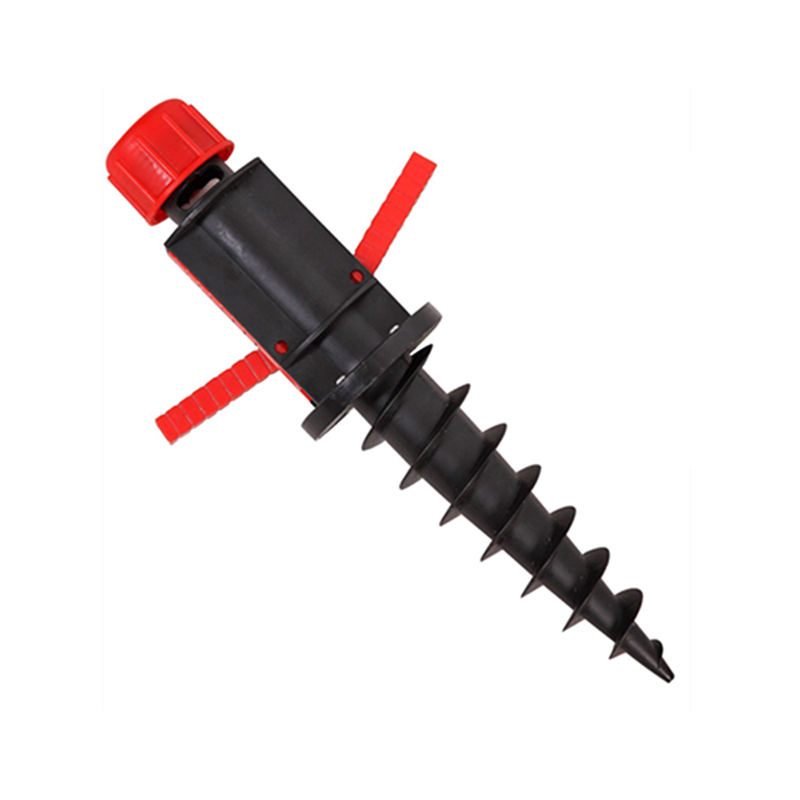
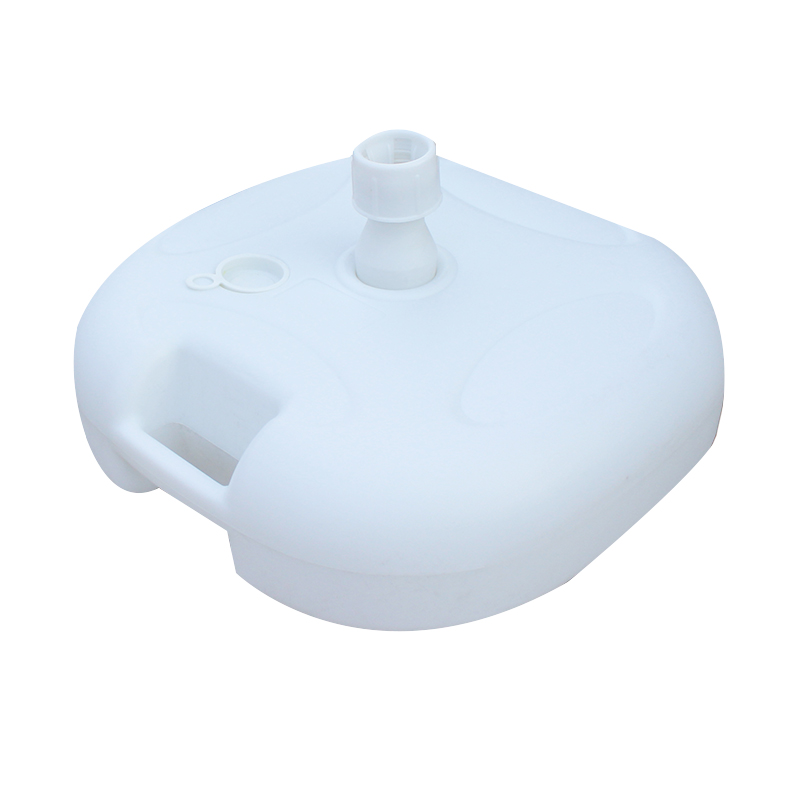
The base is the foundation of stability. Poor anchoring will render even the strongest parasol ineffective.
A deep-ground anchor combined with a reinforced lower pole significantly reduces tipping risk.
Wind vents located at the top of a Beach Parasol Umbrella allow pressure to escape upward rather than lifting the canopy. This greatly reduces the risk of being overturned.
A slightly domed or curved canopy shape disperses wind forces more evenly than a flat surface, improving balance and durability.
| Environmental Factor | Structural Impact |
|---|---|
| Strong Coastal Winds | Requires reinforced ribs and vented canopy |
| Loose Sand | Needs deeper screw-in anchor system |
| Saltwater Exposure | Demands corrosion-resistant metal parts |
Modern Beach Parasol Umbrella designs increasingly use aviation-grade aluminum, reinforced fiberglass ribs, and UV-resistant polyester fabrics.
Automatic locking, wind-pressure release vents, and anti-tilt hinges are becoming industry standards in premium parasols.
At least 12–16 inches into the sand is recommended for standard conditions. Strong wind areas require deeper anchoring with spiral screw bases.
Not necessarily. Stability depends on weight distribution, not just total weight. A well-balanced lightweight structural design can outperform poorly distributed heavy models.
Yes. Wind vents allow air pressure to escape upward, dramatically reducing uplift force that causes parasols to tip or fly.
Fiberglass ribs provide the best balance between flexibility and strength, outperforming traditional steel in high-wind conditions.
With beach tourism continuing to recover globally, consumers are demanding safer, longer-lasting Beach Parasol Umbrella products. Manufacturers focusing on structural innovation, corrosion resistance, and wind stability are gaining a strong competitive edge in both retail and commercial markets.
From resort installations to personal seaside relaxation, structural stability is no longer a luxury feature—it is a fundamental performance requirement.
related products
Be the First to Know
+86 13357500282
Songxia Town, Shangyu District, Shaoxing City, Zhejiang Province, China
China Parasols Factory And Wholesale Garden Umbrellas Manufacturers


 English
 Español
 عربى
عربى
 Português