2026-08-06
Content
A patio umbrella with solar eliminates the need to run extension cords across your deck or bury low-voltage wiring through the garden. During a recent factory audit, we observed a common buyer concern: restaurants that previously used wired lighting umbrellas often pulled them from the floor during a busy evening shift because tripped breakers killed the entire section. Solar-integrated models sidestep this completely because each unit operates independently, collecting energy through a photovoltaic panel sewn into or mounted on the canopy during daylight hours and releasing it through LED ribs or a central hub at dusk.
The practical benefit is immediate but not uniform. Charging performance depends on the panel’s position relative to the sun’s path, which means a cantilever umbrella tilted to block late afternoon glare will charge differently than a straight-center-pole market umbrella that stays flat all day. This distinction matters when you are ordering hundreds of units for a resort where table layouts change with the summer solstice. We recommend considering both the lumen output and the battery access design before committing to a specification card, because if the rechargeable cells are sealed inside a non-serviceable hub, the entire illumination system fails once those cells reach their cycle limit.
Buyers often focus on the advertised run time of six or eight hours, but three underlying components have a greater impact on whether a solar patio umbrella remains functional through two summers or five.
Monocrystalline panels generate more usable current under the partial shading typical of a garden environment compared to thin-film alternatives. More critically, the panel must be integrated in a way that does not compromise the canopy’s waterproof seam. We have seen models where the panel stiffens a section of the fabric, causing concentrated stress at the pocket corners during strong gusts. A properly executed installation uses a flexible panel bonded to a reinforced pocket, with a cable channel routed inside the pole so the wire never sees direct UV exposure.
Lithium iron phosphate cells tolerate the repeated deep discharge cycles common in solar applications far better than standard nickel-metal hydride packs that degrade after roughly 500 cycles. In practical terms, a restaurant umbrella that charges fully every day and runs for five hours each night pushes a NiMH pack past its usable threshold within 18 to 24 months. The replacement cost—if the pack is accessible—becomes a hidden line item in the initial purchase that buyers should calculate before comparing factory quotes.
Humidity, salt air, and condensation corrode the micro-connectors between the battery hub and LED strips embedded in the ribs. Field failures spike in coastal Florida and Southeast Asia properties unless the connection points use a minimum IP65 seal and gold-plated contact surfaces. Ask your supplier for close-up photography of the connector junction, not just the finished product on a sunny showroom floor.
A solar panel needs stable orientation, but a patio umbrella moves constantly with the wind. The frame construction therefore performs double duty: it must protect the wiring and hold the canopy flat enough for efficient charging.
| Attribute | Aluminum Alloy Frame | Powder-Coated Steel Frame | Hardwood Frame |
|---|---|---|---|
| Rib flex in 15 mph wind | Low; maintains panel plane | Moderate; minor angle shift | Low; rigid but heavier |
| Corrosion risk near salt water | Very low with anodized finish | High once coating is scratched | Low if sealed annually |
| Internal wire routing ease | Hollow extrusions accommodate cables | Requires grommeted cutouts | Requires drilled channels; risk of splitting |
| Typical weight capacity impact on base selection | Lighter; needs a heavier base | Heavier; moderately weighted base | Heaviest; smallest base acceptable |
Canopy fabric equally matters. Dark-colored canopies generate heat that accelerates battery degradation up in the hub, yet they produce dramatic nighttime glow effects. Light fabrics keep the hub cooler but spread LED light more diffusely. A coated polyester with a polyurethane backing gives the best balance of water resistance and stiffness around the panel pocket, reducing flutter that micro-fractures the panel over time.
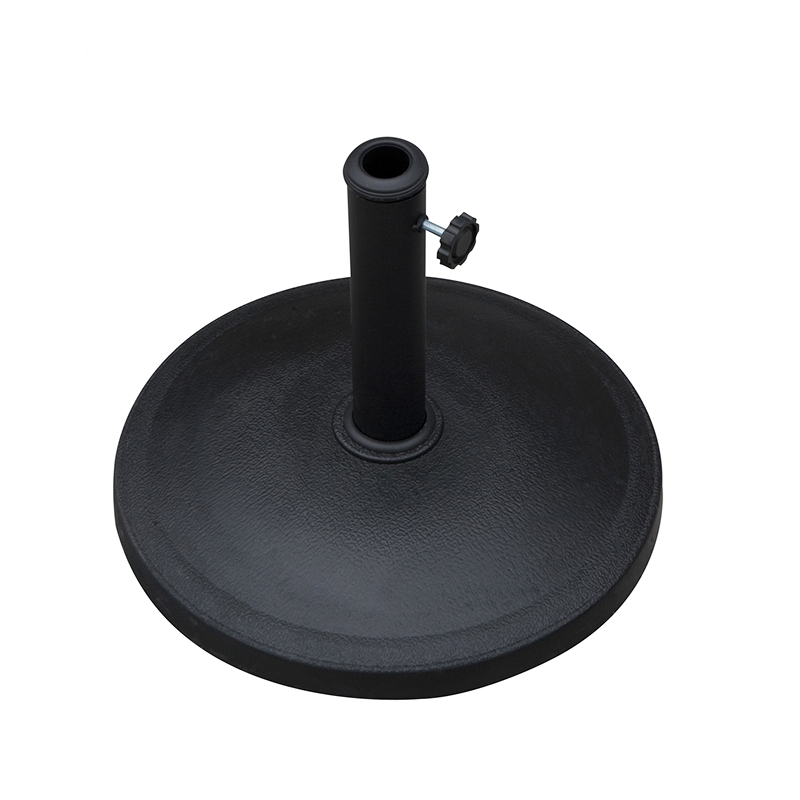
A standard cantilever umbrella already demands a heavy base, but a base for cantilever umbrella increases in importance once you add the weight of a battery pack and hub to the cantilevered arm. If the base is undersized, the entire assembly tips during a gust, and the panel cracks on impact with the patio surface. The repair is not a simple fabric patch; it requires replacing the bonded photovoltaic module, which often costs more than the frame itself.
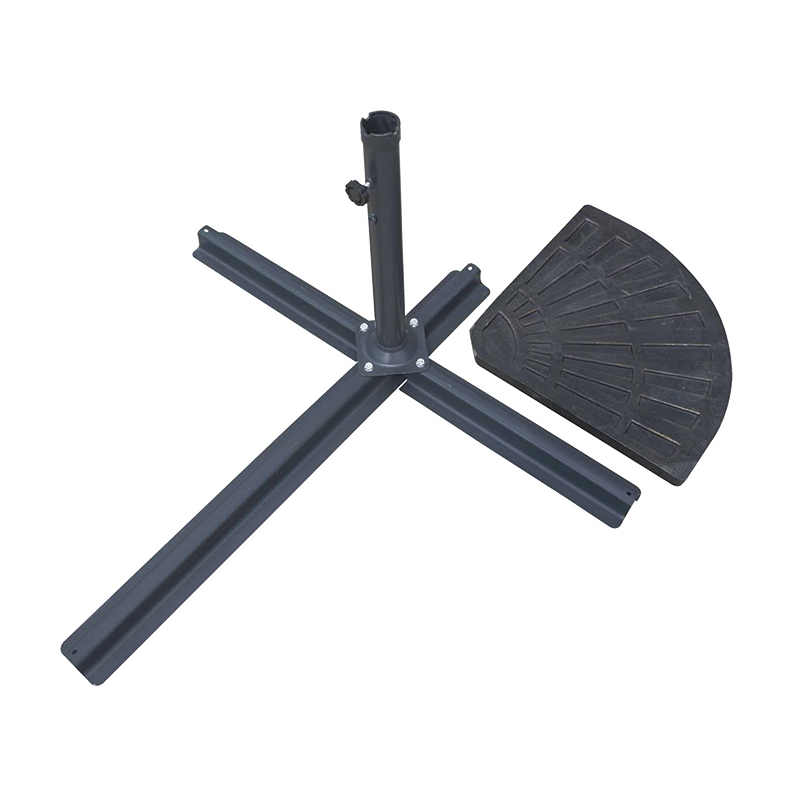 China Base for cantilever umbrella 1/4 UA1917 Suppliers, Custom FactoryShaoxing Gaobu Tourism Products Co.,Ltd is China Base for cantilever umbrella 1/4 UA1917 suppliers and factory, specializing in custom OD...View Product →
For residential setups with lighter tables, we strongly advise selecting a base that adds at least 15 pounds beyond the standard recommendation when the umbrella carries integrated solar electronics. Fillable resin bases offer portability but demand regular checking because water evaporates from small cracks left by winter freezes. Concrete-filled steel bases provide permanent ballast but require leveling pads to prevent wobble that strains the pole-to-base connection.
On commercial sites, bolt-down plates eliminate the tipping risk entirely but lock the umbrella into a fixed orientation. This is acceptable only if the solar panel faces the correct solar south azimuth. A north-facing installation under a balcony overhang will harvest so little energy that the lights dim by 10 PM, generating guest complaints that reflect on the buyer rather than the factory.
When reviewing a spec sheet for a patio umbrella with solar, skip the lifestyle photos and go directly to five measurable parameters:
A patio umbrella with light from a factory that also manufactures its own aluminum tubes internally can control the wire channel quality from the extrusion stage, reducing the likelihood of hidden abrasion cuts that create intermittent short circuits after shipping vibration. Ask for cross-section photographs of the pole where the cable transitions from the stationary lower section into the rotating hub on tilt models. That single transition point causes more field returns than panel or battery failures combined.
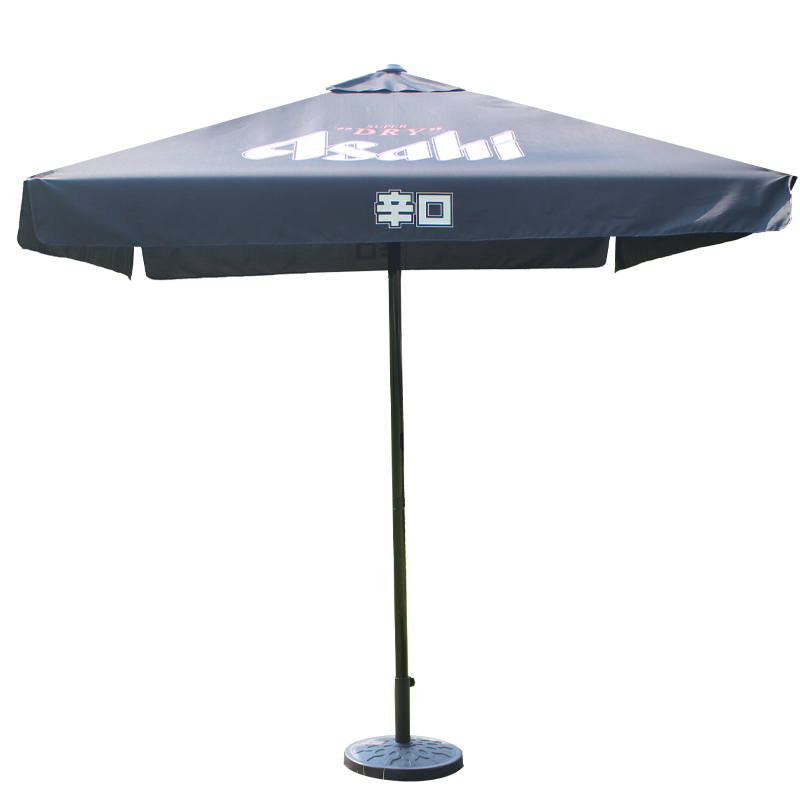
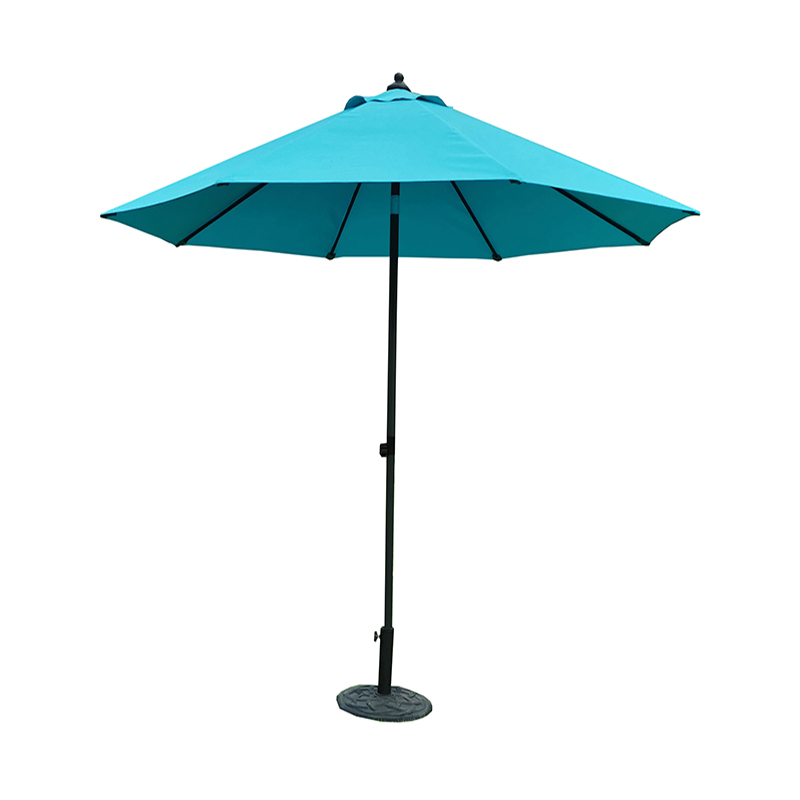
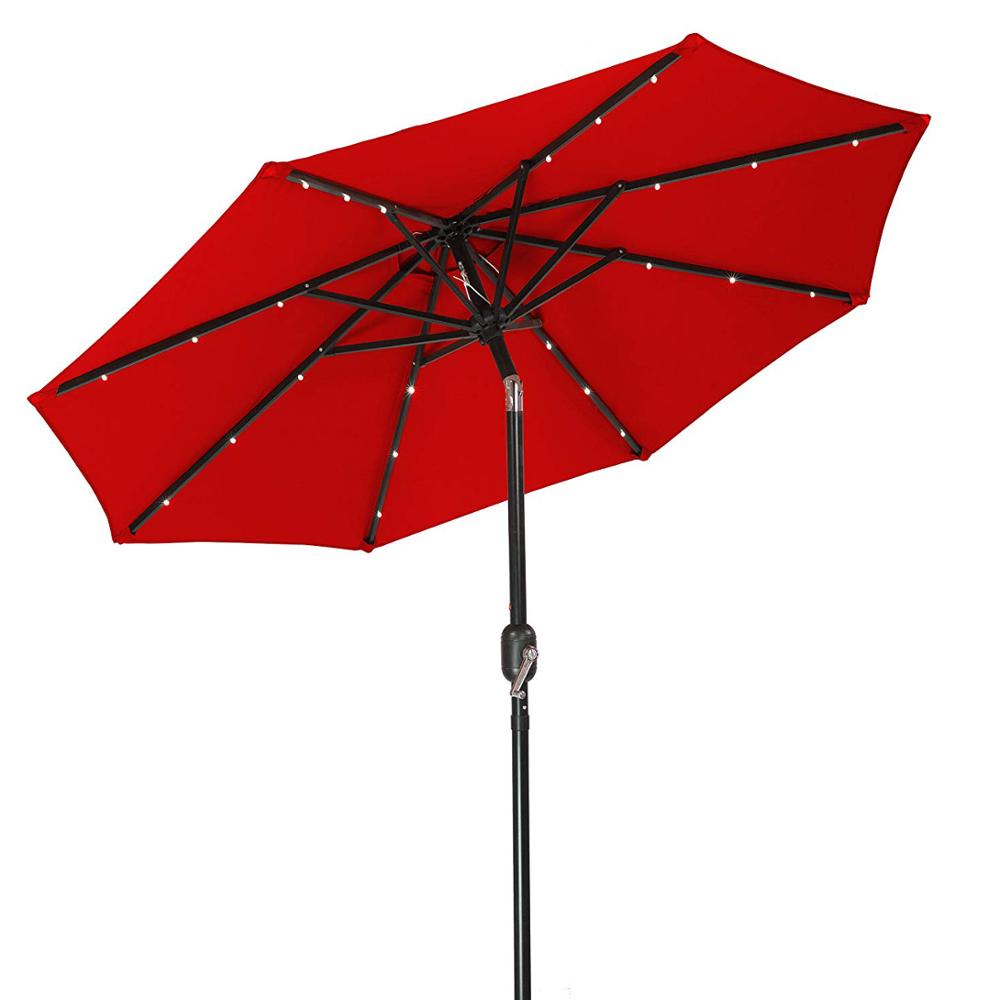 China Patio umbrella light umbrella Suppliers, Custom FactoryShaoxing Gaobu Tourism Products Co.,Ltd is China Patio umbrella light umbrella suppliers and factory, specializing in custom ODM/OEM Pati...View Product →
Most warranty claims cluster around three patterns that a buyer can prevent at the specification stage.
Protecting the investment also requires attention to how the umbrella is stored. Bending the canopy tightly around the pole for weeks compresses the panel and can crack the crystalline silicon cells. A storage cover that allows the canopy to remain partially open preserves the expensive electrical components through the off-season.
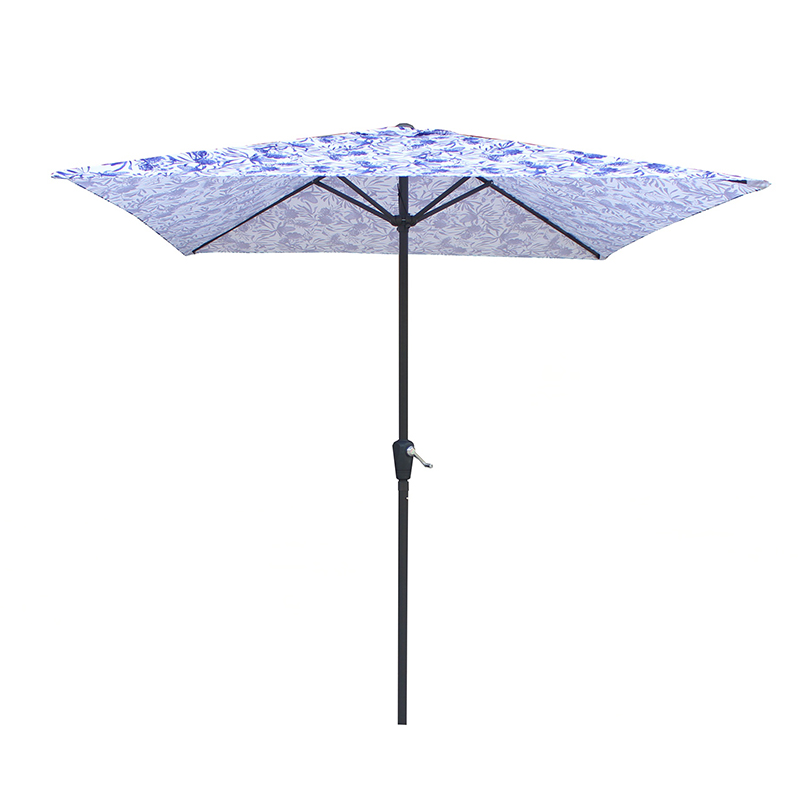
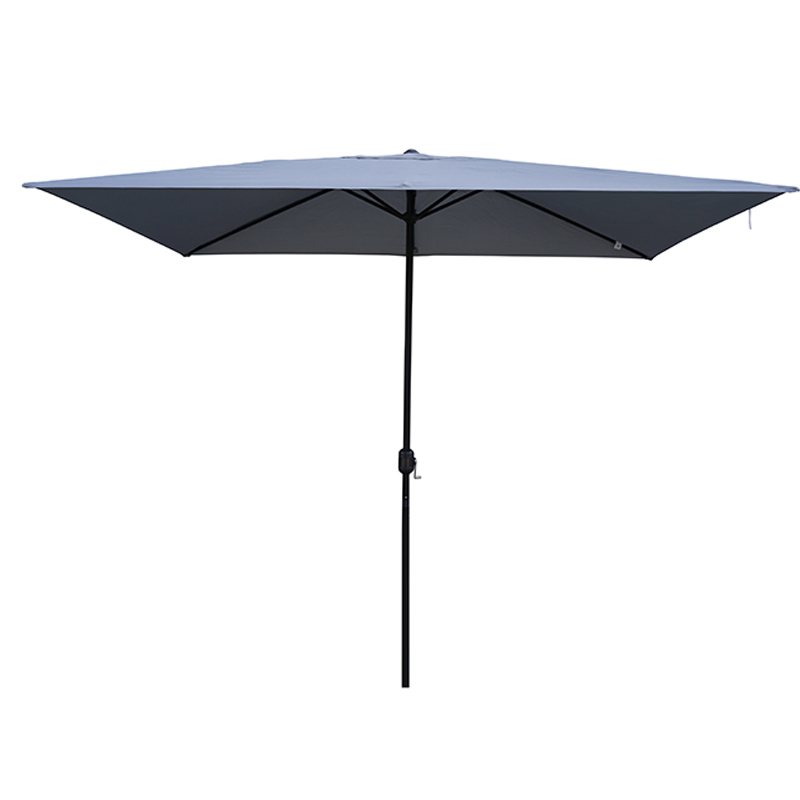
The shape of the patio umbrella changes how usable the light becomes. A square cantilever umbrella projects LED illumination in a rectangular footprint that aligns well with dining tables, whereas a round market umbrella creates a circular pool of light that suits lounge seating clusters. This is not just aesthetic; a cantilever garden umbrella allows the pole to be placed entirely to the side, so no center obstruction blocks the light path or dining surface.
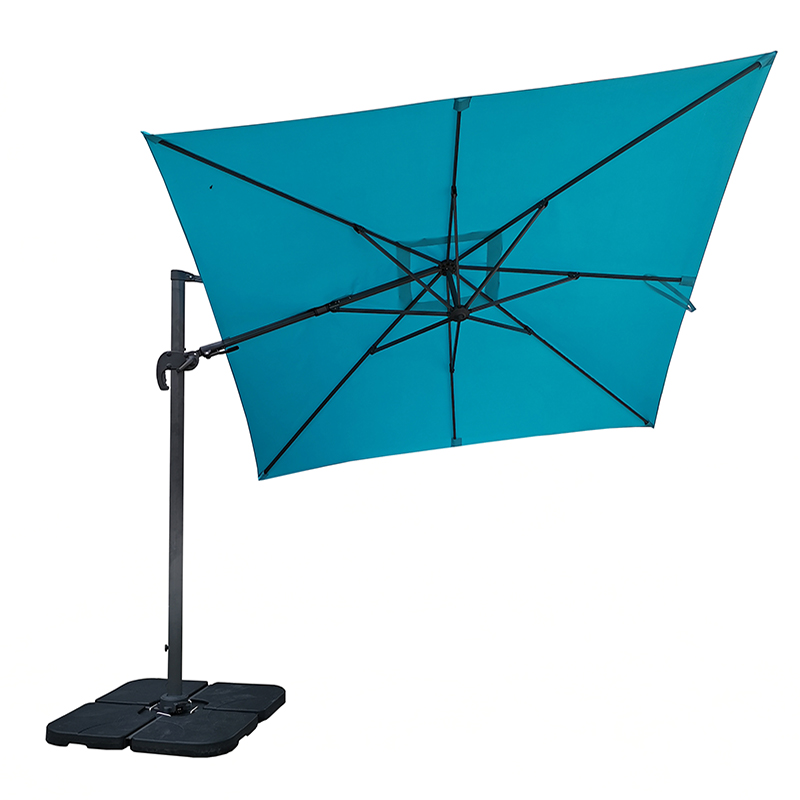
 China Cantilever garden umbrella GP1925 Suppliers, Custom FactoryShaoxing Gaobu Tourism Products Co.,Ltd is China Cantilever garden umbrella GP1925 suppliers and factory, specializing in custom ODM/OEM ...View Product →
For boutique hotels arranging evening cocktail service, dual-purpose umbrella placements work best: cantilever units over the bar area and straight-pole units through the center of four-seat conversation sets. Pre-wiring tests should involve setting the umbrellas up at 7 PM in the intended orientation and measuring lux at tabletop height, because catalog lumen numbers rarely account for the diffusion loss through polyester fabric.
related products
Be the First to Know
+86 13357500282
Songxia Town, Shangyu District, Shaoxing City, Zhejiang Province, China
China Parasols Factory And Wholesale Garden Umbrellas Manufacturers


 English
 Español
 عربى
عربى
 Português