2026-03-11
Quick Answer: The smallest patio umbrellas typically measure 5 feet (60 inches) in diameter and are designed for bistro tables, small balconies, and compact outdoor areas. They provide adequate shade for 1–2 people while fitting into tight spaces where standard 9-ft umbrellas simply won't work.
Whether you have a narrow apartment balcony, a petite bistro table on a rooftop terrace, or a tiny backyard corner, finding the right smallest patio umbrella can be surprisingly tricky. Most patio furniture stores push large 9- to 11-foot umbrellas, but those are simply too big for compact spaces. This guide covers everything you need to know — from what "small" really means in umbrella sizing, to the best models available, how to choose the right one, and answers to the most common questions buyers have.
Content
Patio umbrellas come in a wide range of sizes, but the smallest patio umbrella options on the market typically start at 5 feet (approximately 152 cm) in canopy diameter. Some ultra-compact models even go as small as 4 feet, though these are more decorative than functional.
Here's a quick overview of how small umbrella sizes compare:
| Umbrella Size | Best For | Persons Shaded | Table Size Match |
| 4 ft (smallest) | Decorative / café accent | 1 | Up to 24" table |
| 5 ft | Bistro table, small balcony | 1–2 | 24"–30" table |
| 6 ft | Small patio, narrow deck | 2–3 | 30"–36" table |
| 7 ft | Medium patio / 4-seat table | 3–4 | 36"–42" table |
| 9 ft (standard) | Large patio, 6-seat table | 4–6 | 48"–60" table |
For most practical purposes, when people search for a small patio umbrella, they are looking for something in the 5- to 6-foot range. These are ideal for apartment balconies, small bistro sets, rooftop terraces, poolside loungers, or narrow side patios.
Bigger isn't always better — especially when it comes to outdoor umbrellas. Here are the key reasons why a compact patio umbrella might be exactly what you need:
Apartment dwellers with balconies measuring 4×6 feet or even 6×8 feet simply cannot accommodate a standard 9-foot umbrella. A 5 ft patio umbrella fits these spaces beautifully without overwhelming them or creating a wind-catching liability.
Small umbrellas are significantly lighter — typically 4–8 lbs compared to 15–25 lbs for larger models. This makes them easy to reposition, bring indoors during storms, or store in a closet during the off-season.
A quality small outdoor umbrella can cost anywhere from $30 to $150, while large market-style umbrellas can run $200–$600+. Going small saves money without sacrificing shade quality.
The classic European bistro aesthetic calls for a small patio umbrella paired with a two-person table and matching chairs. Oversized umbrellas break this visual harmony. A 5- or 6-foot canopy keeps the proportions elegant.
Small canopies catch less wind, meaning they are safer in breezy environments like rooftops, coastal decks, or high-rise balconies — places where a large umbrella could become a dangerous sail.
Not all small patio umbrellas are created equal. Before purchasing, consider these key features:
Look for solution-dyed polyester or acrylic fabric (like Sunbrella). Solution-dyed fabrics resist UV fading far better than surface-dyed ones, maintaining their color through multiple seasons. A UPF 50+ rating ensures meaningful UV protection.
For small umbrellas, common pole materials include:
Small umbrellas typically use one of these opening systems:
A tilt feature is especially valuable for small umbrellas because users are seated very close to the pole. Being able to angle the canopy toward the sun's position significantly extends usable shade hours. Look for auto-tilt or push-button tilt mechanisms.
Small umbrellas use smaller pole diameters — typically 1 inch to 1.5 inches. Check that your table's umbrella hole or your standalone base matches this size. Most bistro table umbrella setups use 1" poles.
Here are some of the most well-regarded compact patio umbrella options across different price ranges and use cases:
| Model / Type | Size | Material | Key Feature | Price Range | Best For |
| Budget Bistro Umbrella | 5 ft | Polyester / Steel | Push-up open | $25–$50 | Casual balcony use |
| Mid-Range Tilt Umbrella | 5–6 ft | Polyester / Aluminum | Push-button tilt | $60–$100 | Bistro tables, small decks |
| Premium Sunbrella Mini | 6 ft | Acrylic / Fiberglass | UPF 50+, fade-resistant | $130–$200 | Coastal, premium outdoor |
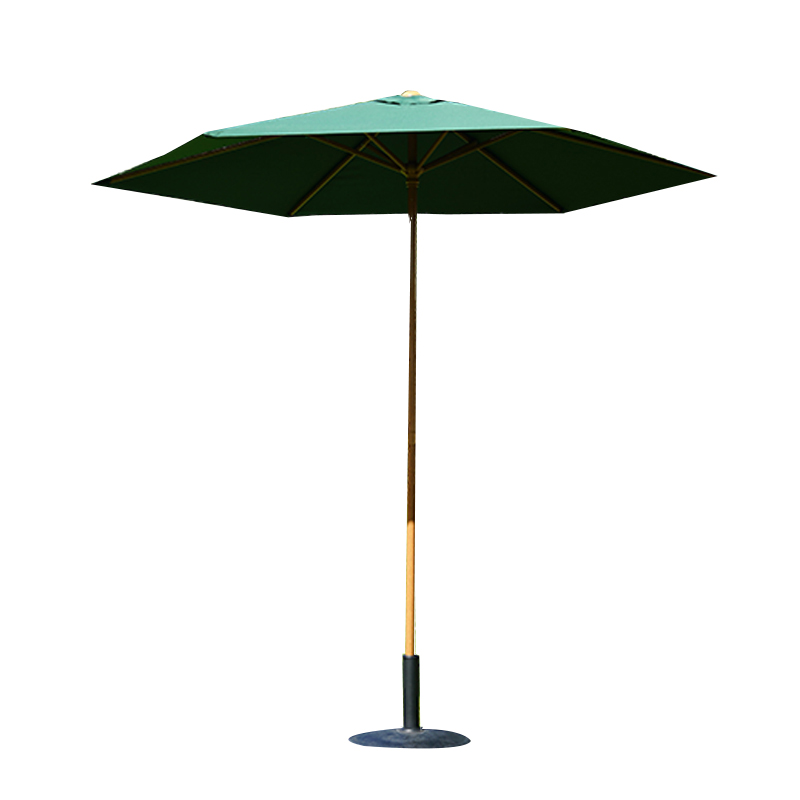
| Wood Pole Café Umbrella | 5–6 ft | Canvas / Hardwood | Classic aesthetic | $80–$160 | European bistro style |
| Clip-On / Clamp Umbrella | 4–5 ft | Polyester / Aluminum | No base needed | $40–$90 | Chairs, railings, loungers |
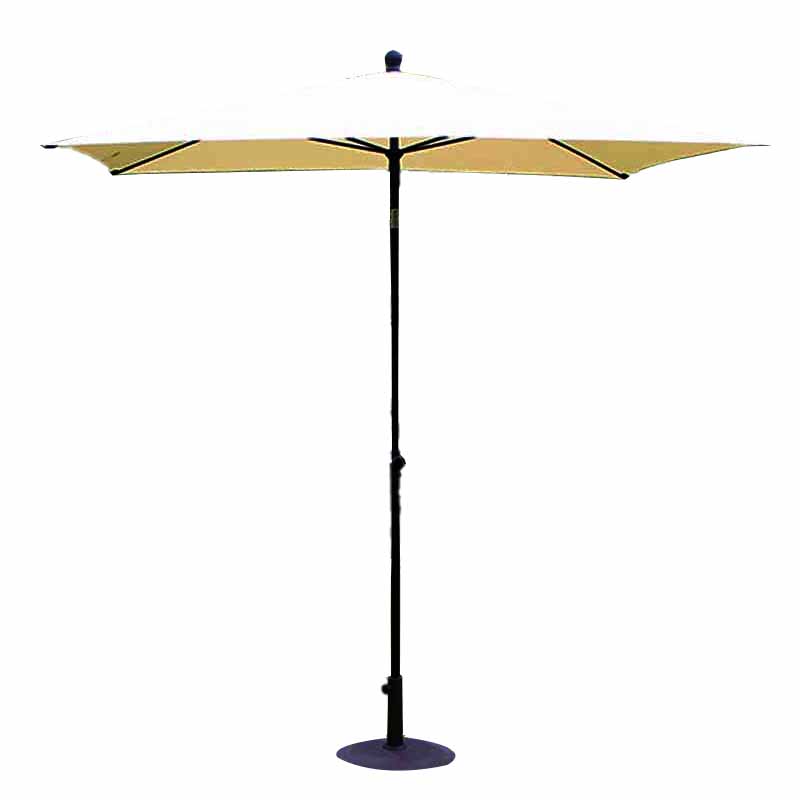
The most classic style. The pole runs through the center of the table. A 5-foot market umbrella is the smallest standard version of this type. It's versatile, easy to find, and compatible with most bistro tables that have a center hole. These are also called patio table umbrellas.
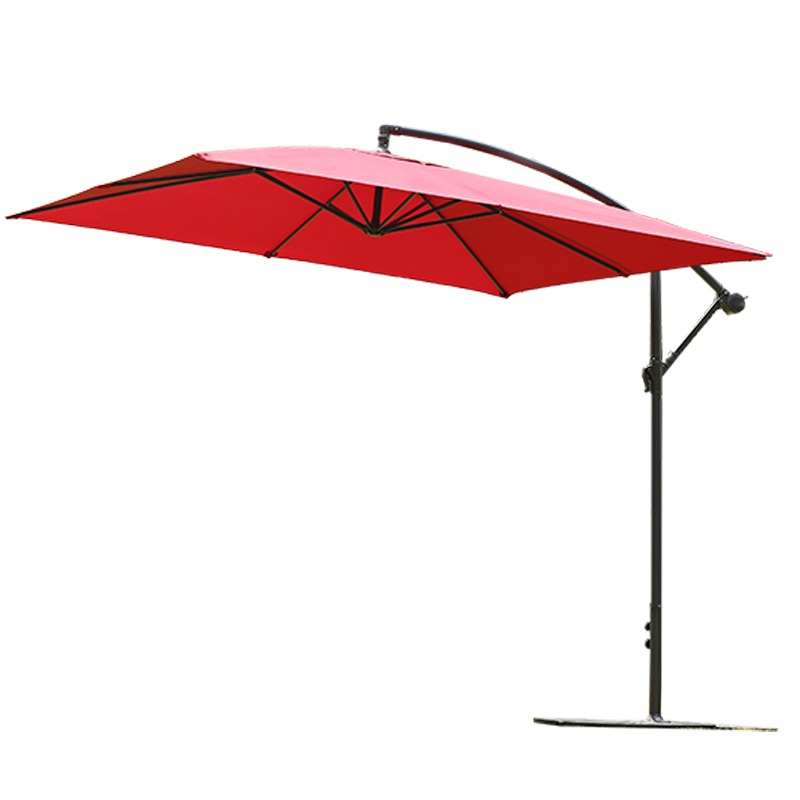
Cantilever umbrellas have their pole on the side, leaving the area beneath completely open. While most are large (9–13 ft), some brands now offer small offset patio umbrellas at around 6–7 feet for compact spaces. These work well for chairs without tables, or lounging setups.
These ultra-compact umbrellas — often 4 to 5 feet in diameter — attach directly to a chair, railing, or table edge via a clamp. They require no base and are extremely portable. Ideal for beach chairs, balcony railings, or individual shade needs.
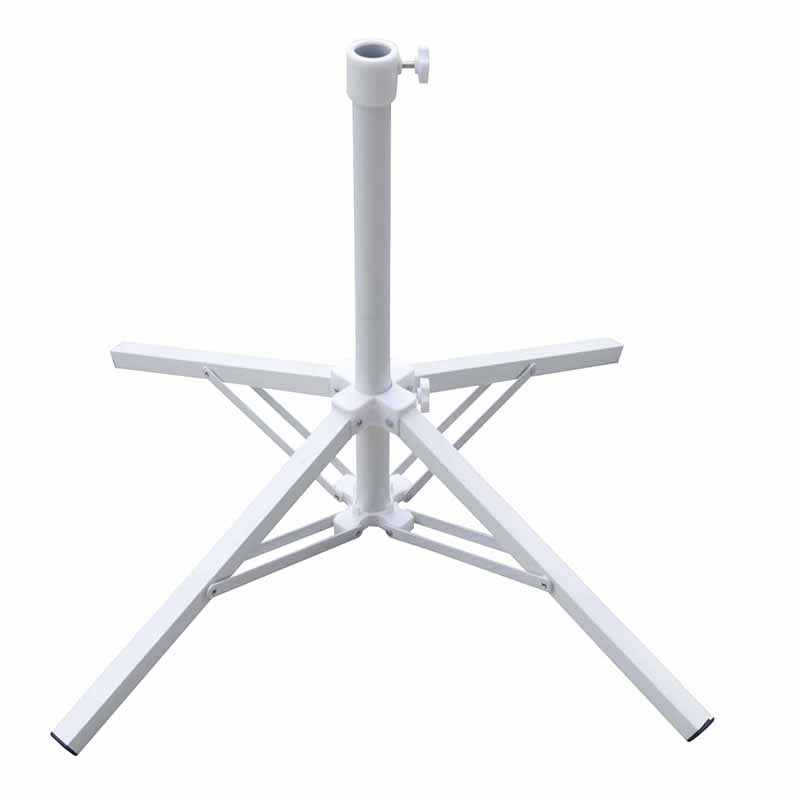
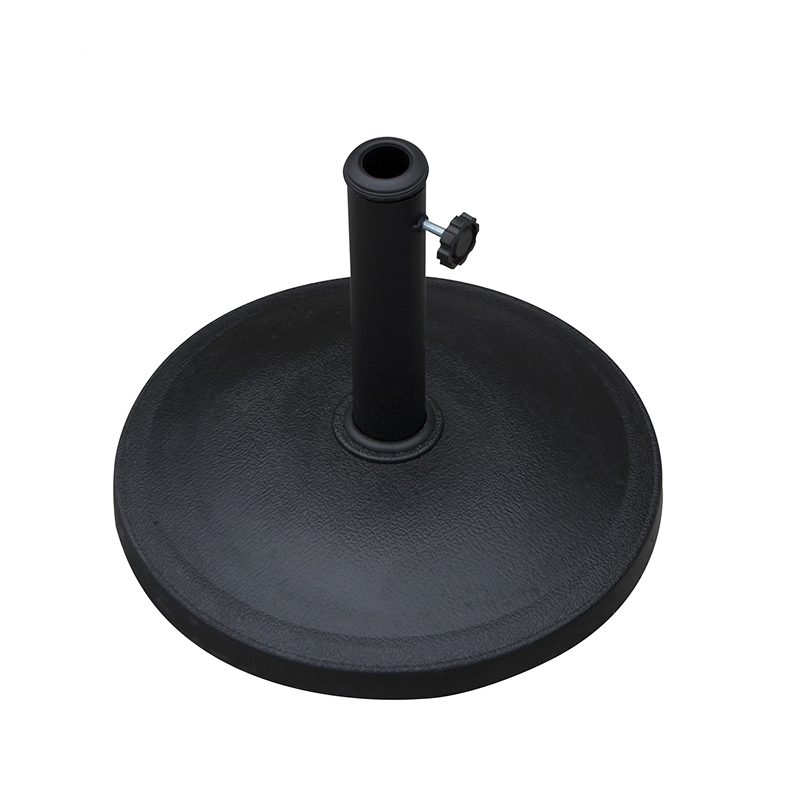
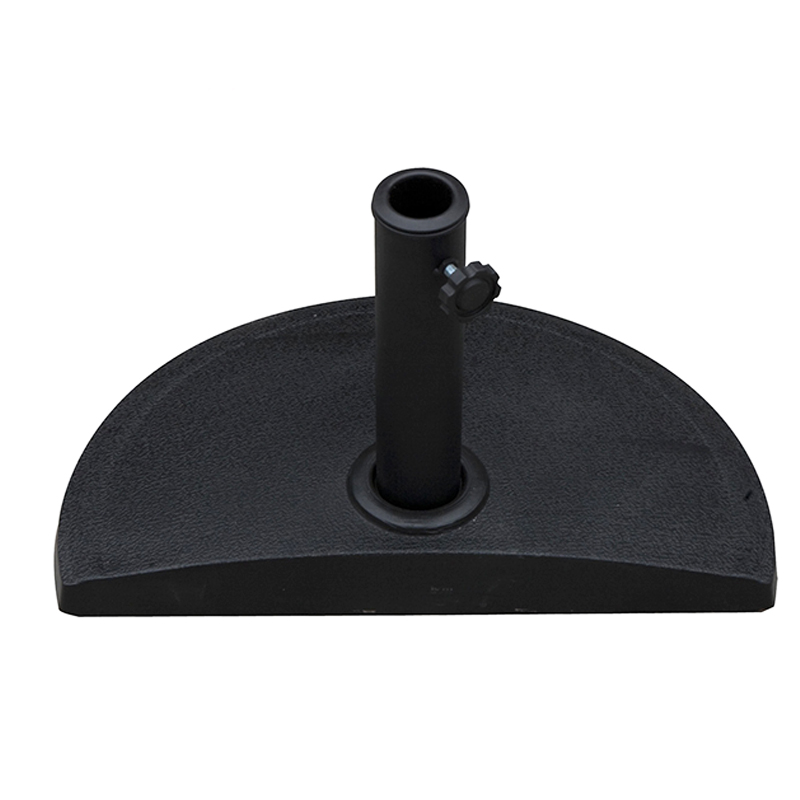
Freestanding models come with their own weighted base and are entirely self-supporting. A small freestanding patio umbrella with a 5-ft canopy is excellent for spaces where you can't drill into the floor or use a table-mounted setup.
| Factor | Small (5–6 ft) | Large (9–11 ft) |
| Shade Coverage | 1–2 people | 4–8 people |
| Portability | Very portable | Heavy, bulky |
| Wind Resistance | Better in wind | Needs heavy base |
| Price | $25–$150 | $100–$600+ |
| Storage | Fits in a closet | Needs dedicated space |
| Aesthetic Balance | Perfect for bistro sets | Grand, statement-making |
| Balcony-Friendly | Yes | Usually too big |
Before shopping, measure the usable area of your balcony or patio. As a rule of thumb, your umbrella's open canopy should have at least 12–18 inches of clearance from any walls, railings, or furniture edges. For a 5-foot umbrella, you need at minimum a 6-foot clear diameter of open space.
The standard guideline is that your umbrella should be approximately 2 feet larger in diameter than your table. So for a 28-inch bistro table, a 5-foot (60-inch) umbrella is ideal. Check that your table's umbrella hole diameter (usually 1" to 1.5") matches the umbrella's pole diameter.
If your patio faces west and you use it in the afternoon, a fixed-canopy umbrella may leave you in full sun. Look for a model with a tilt function so you can follow the sun's angle throughout the day and maximize shade where it's needed.
If you're on a rooftop, high floor, or coastal location, wind is a serious concern. In these cases, choose an umbrella with vented canopy panels, which allow wind to pass through and dramatically reduce the risk of the umbrella flipping or toppling. A weighted umbrella base of at least 25 lbs is also recommended even for small umbrellas in windy areas.
Darker canopy colors (navy, forest green, charcoal) absorb more heat but block more light and offer better UV protection. Lighter colors (white, cream, light beige) reflect heat and keep the space cooler but may fade faster. Striped and patterned canopies are popular for bistro-style settings and add a European café charm.
The smallest commercially available patio umbrellas are typically 4 feet (48 inches) in diameter. These are usually decorative or for very limited personal shade. For functional outdoor shade, a 5-foot patio umbrella is the practical minimum and the most commonly found "small" option on the market.
For a standard 24"–30" bistro or café table, a 5-foot (60-inch) umbrella is ideal. It provides ample shade for two people seated at the table without overwhelming the space or requiring an excessively heavy base.
Yes — in fact, a small balcony umbrella is one of the best uses for 5- to 6-foot models. Just ensure you have a sturdy base (at least 20–25 lbs) to prevent tipping, and opt for a model with a vented canopy if your balcony is exposed to wind. Always close it when not in use.
Most 5-foot to 6-foot patio umbrellas use a pole diameter of 1 inch (25 mm). Some models use 1.25" or 1.5" poles. Always check your bistro table's hole diameter before purchasing — mismatched pole sizes are one of the most common fitting mistakes buyers make.
Budget umbrellas under $40 can work fine for occasional use in mild climates. However, they typically use lower-quality polyester that fades quickly and cheaper steel poles that may rust. If you plan to use your umbrella daily or in a harsh climate, investing in a mid-range ($60–$120) model with an aluminum pole and solution-dyed fabric will pay off over multiple seasons.
Yes, most patio umbrella fabrics provide significant UV protection. Look for canopies rated UPF 30 to UPF 50+. UPF 50+ blocks over 98% of UV radiation. Keep in mind that as canopies fade and thin with age, their UV protection decreases — so replacing a very old, faded canopy is a good idea.
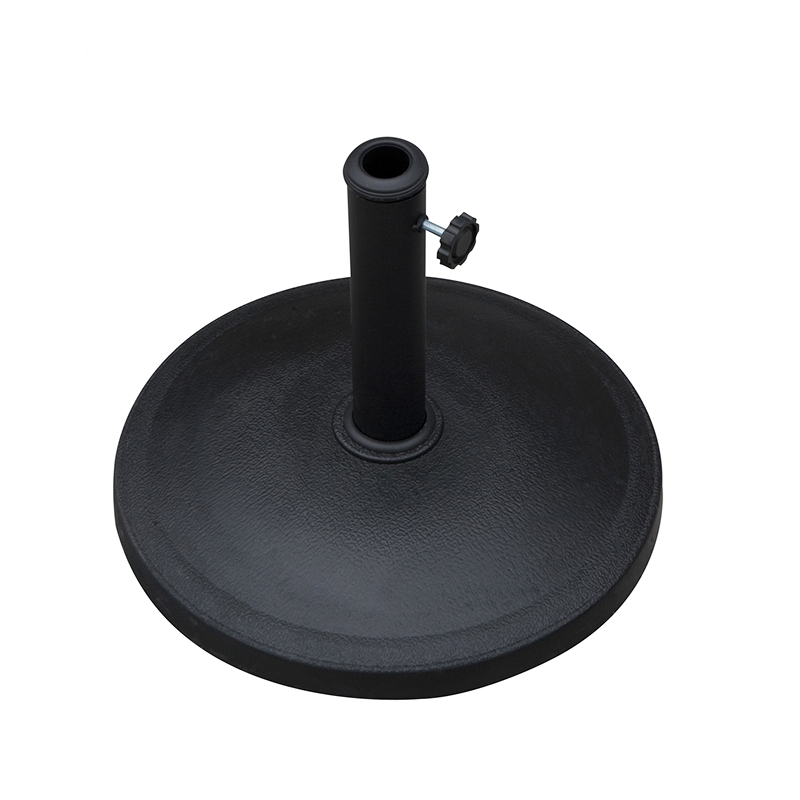
Use a weighted umbrella base appropriate for your umbrella size — typically 20–35 lbs for a 5- to 6-foot umbrella. Alternatively, fill a base with sand or water for extra weight. In very windy areas, anchor the base to a heavy table or use a floor-mount bracket. A vented canopy design also significantly reduces uplift force.
In mild climates (Mediterranean, coastal Southern US, much of California), yes — with proper fabric care. In harsh winter climates with snow, ice, or freezing rain, it is strongly recommended to store the umbrella indoors from late fall through spring to prevent pole corrosion, frozen mechanisms, and fabric degradation.
The smallest patio umbrella that will actually serve you well starts at 5 feet in diameter. Whether you're outfitting a narrow apartment balcony, completing a charming bistro setup, or just need personal shade by the pool, there's a compact umbrella perfectly suited to your needs and budget.
For most buyers, a 5- to 6-foot aluminum-pole umbrella with a polyester or acrylic canopy and a push-button tilt hits the sweet spot of quality, functionality, and affordability. If you're willing to invest more, a Sunbrella-fabric model will reward you with years of vibrant color and reliable UV protection.
Don't let a compact outdoor space stop you from enjoying the outdoors in shade and comfort. The right small patio umbrella doesn't just shade you — it transforms even the tiniest outdoor nook into a proper al fresco retreat.
related products
Be the First to Know
+86 13357500282
Songxia Town, Shangyu District, Shaoxing City, Zhejiang Province, China
China Parasols Factory And Wholesale Garden Umbrellas Manufacturers


 English
 Español
 عربى
عربى
 Português