When summer heat peaks and outdoor gatherings grow in popularity, the demand for huge outdoor umbrellas has never been higher. Whether you're outfitting a sprawling patio, a commercial café terrace, or a backyard pool deck, the right shade maker umbrella can transform a sun-scorched space into a cool, comfortable retreat. From expansive 11 ft umbrella covers to premium cloth umbrellas with UV-blocking fabric, today's market offers more options than ever — but also more confusion.
This guide breaks down everything you need to know: what sizes actually work, which materials last the longest, how different umbrella types compare, and what real buyers should look for before spending their money.
Why Size Matters: The Rise of the Huge Outdoor Umbrella
Compact 7-foot patio umbrellas were once the standard. But as outdoor living spaces evolved into full extensions of the home — complete with dining sets, loungers, and outdoor kitchens — the need for genuinely large shade coverage exploded. A huge outdoor umbrella (typically 10 feet and above) delivers:
- Coverage for 4–8 people seated at a dining table
- Consistent shade across a broader area as the sun moves throughout the day
- A commanding visual anchor for outdoor décor
- Commercial viability for restaurants, resorts, and event spaces
According to industry data, the outdoor furniture market grew by over 12% between 2021 and 2023, with oversized patio umbrellas representing one of the fastest-growing subcategories. Homeowners increasingly treat their patios as year-round living rooms — and a single shade maker umbrella is often the centerpiece of that investment.
Understanding 11 Ft Umbrella Cover: What the Numbers Mean
The measurement for an umbrella — particularly an 11 ft umbrella cover — refers to the diameter of the canopy when fully opened. This is important because the "11 ft" figure describes the reach of the shade, not the pole height or base dimensions.
How Much Shade Does an 11 Ft Umbrella Cover Actually Provide?
An 11 ft umbrella cover creates a circular shade footprint with a radius of 5.5 feet from the center pole. In practical terms, this comfortably shades a 6-person outdoor dining set (typically 60"–72" round or rectangular tables) while leaving a small buffer around the edges. It's the most popular size for residential patios because it balances generous coverage with manageable weight and wind resistance.
Pro Tip: When measuring for an 11 ft umbrella cover, add 2 feet beyond your table's edge on each side to ensure seated guests remain shaded as the sun shifts from morning to afternoon.
Size Comparison: Choosing the Right Huge Outdoor Umbrella
| Umbrella Size |
Shade Coverage |
Best For |
Typical Weight |
Wind Resistance |
| 7.5 ft |
~44 sq ft |
Bistro tables, 2–3 people |
8–12 lbs |
Good |
| 9 ft |
~64 sq ft |
4-person dining sets |
12–18 lbs |
Good |
| 11 ft |
~95 sq ft |
6-person sets, pool areas |
18–28 lbs |
Moderate |
| 13 ft |
~133 sq ft |
Large gatherings, commercial |
28–40 lbs |
Lower (needs anchor) |
| 15 ft+ |
177+ sq ft |
Commercial terraces, events |
40–80+ lbs |
Requires professional base |
Types of Shade Maker Umbrellas: A Full Breakdown
Not all shade maker umbrellas are built the same. The market divides broadly into three structural categories, each suited to different needs, aesthetics, and budgets.
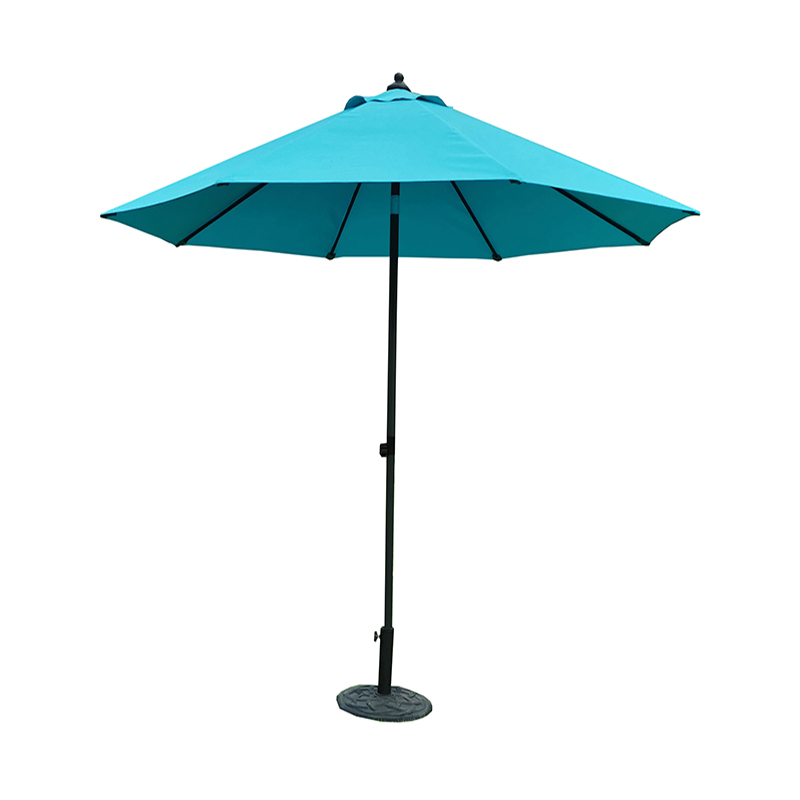
1. Center-Pole Shade Maker Umbrellas
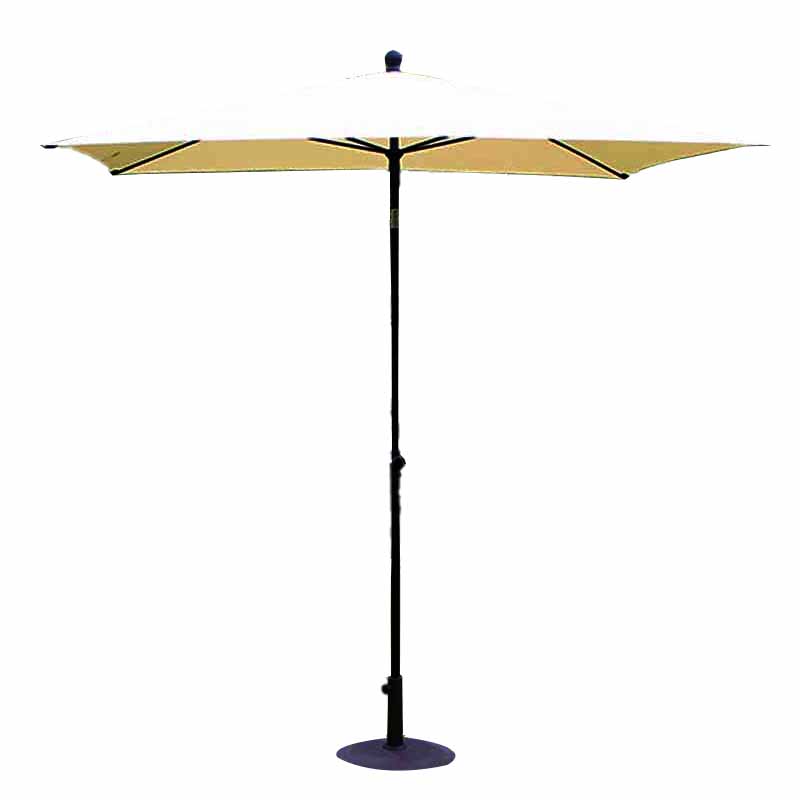
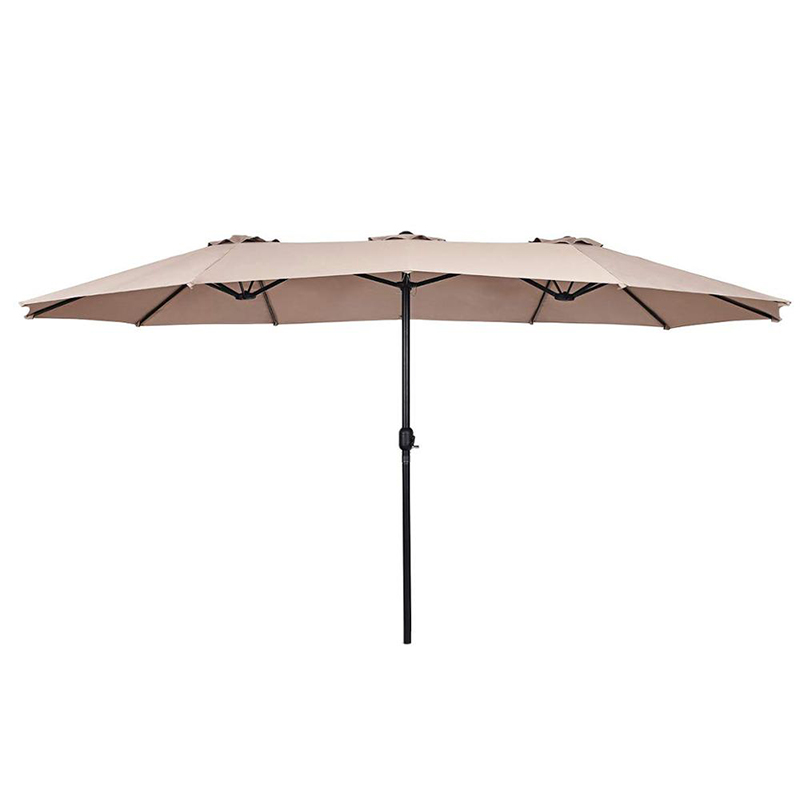
The classic design: a single pole runs up the center of the canopy. Center-pole models are the most affordable and widely available type of huge outdoor umbrella. They're sturdy, easy to find in 11 ft umbrella cover sizes, and pair naturally with tables that have a center hole. The main drawback is that the pole limits seating directly beneath the center.
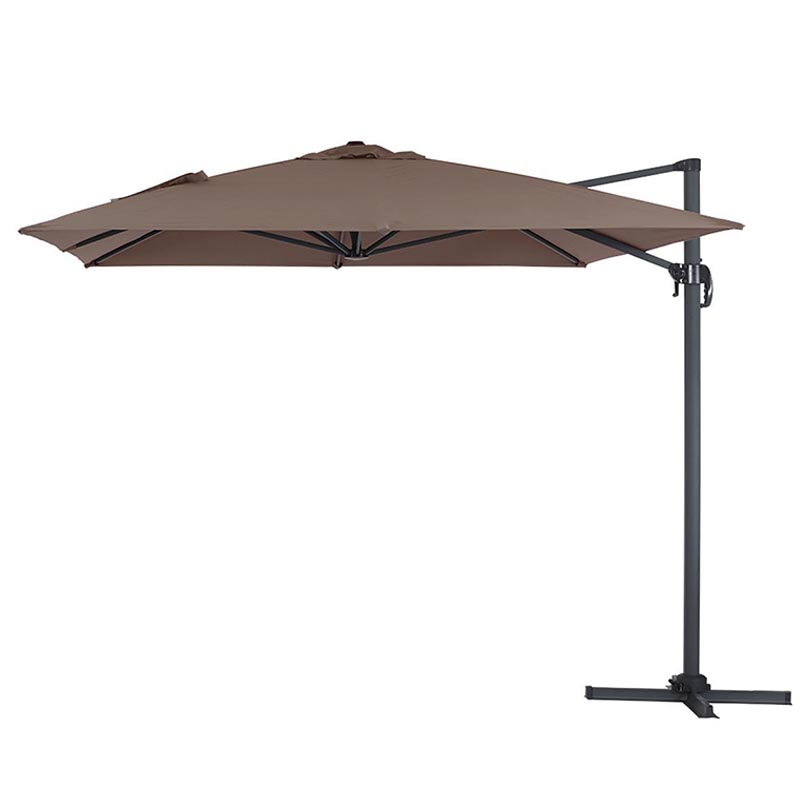
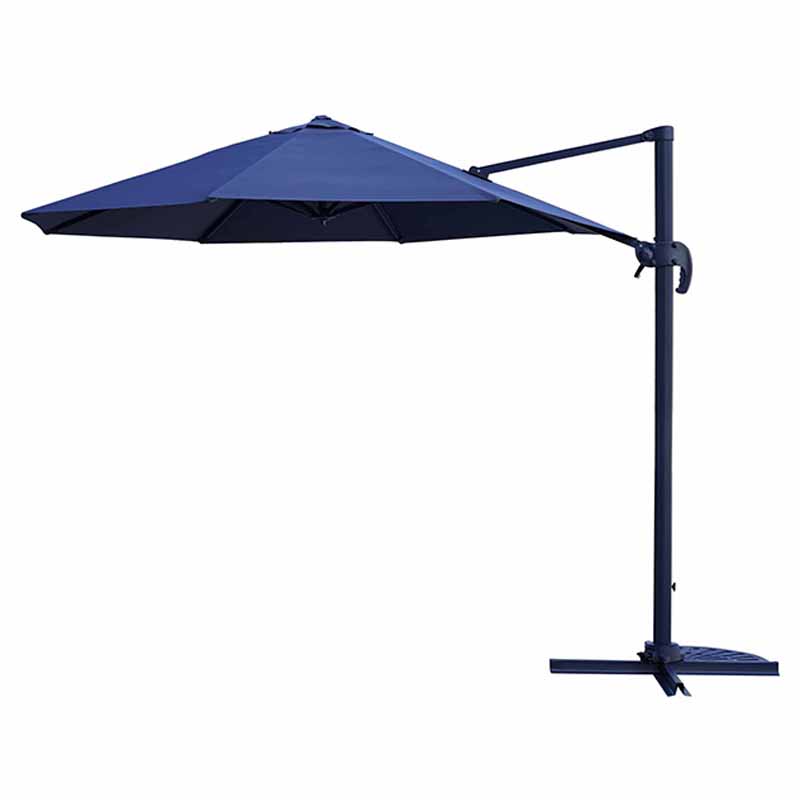
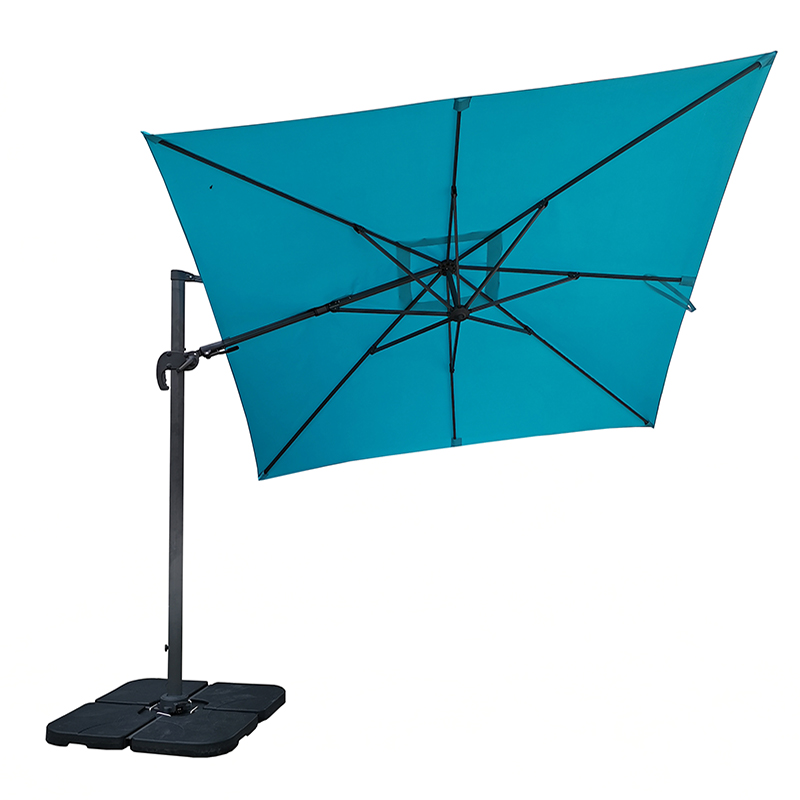
2. Offset (Cantilever) Shade Maker Umbrellas
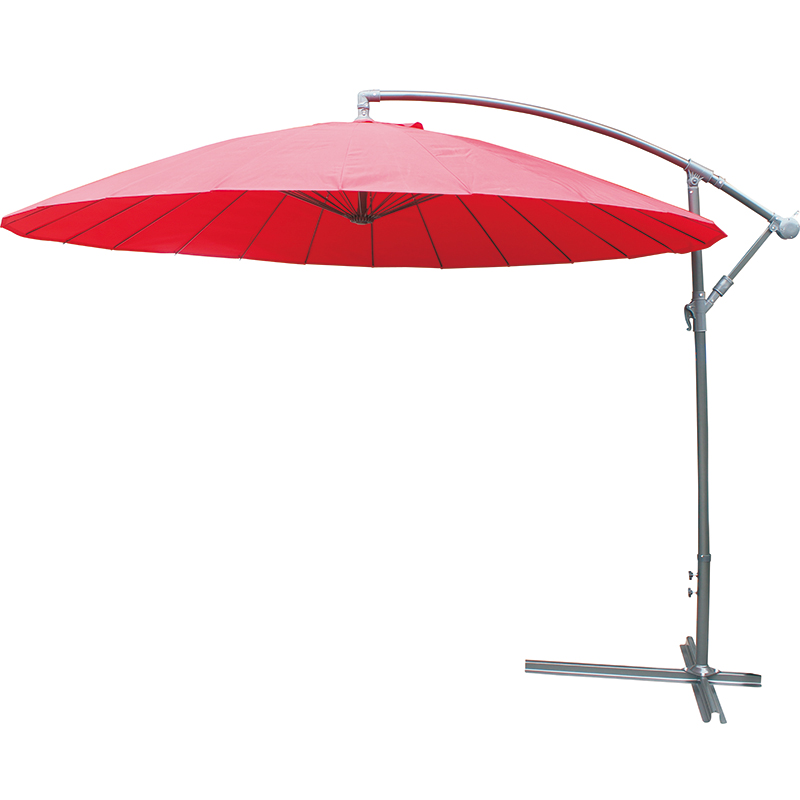
Offset models position the pole to the side, eliminating the center obstruction entirely. This makes them ideal as huge outdoor umbrellas over sectional sofas, loungers, or irregularly shaped seating areas. They tend to cost more and require heavier bases to counterbalance the canopy's weight — but the unobstructed shade they provide is unmatched.
3. Market-Style Shade Maker Umbrellas
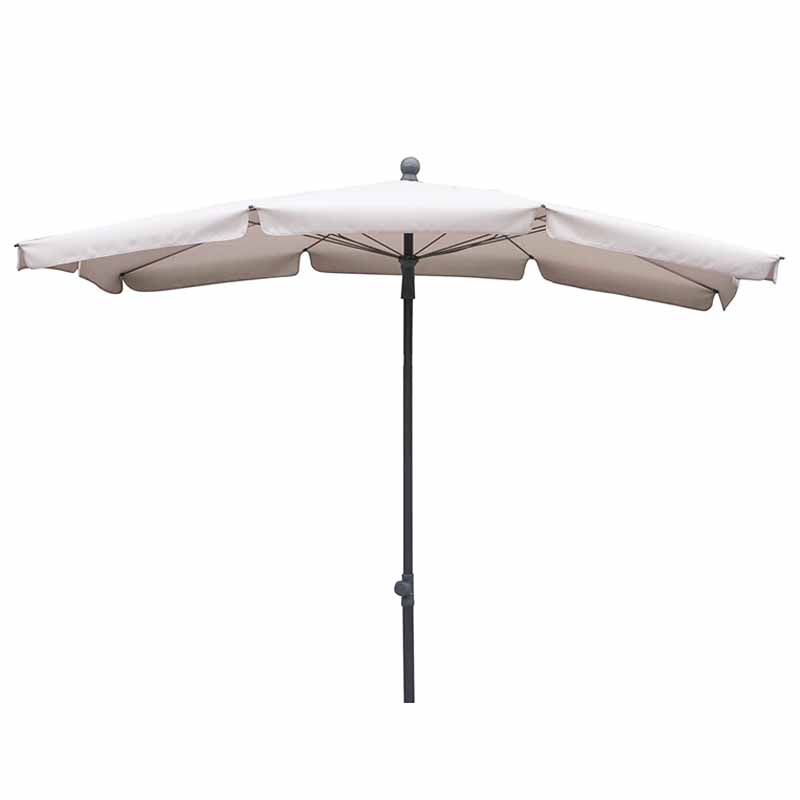
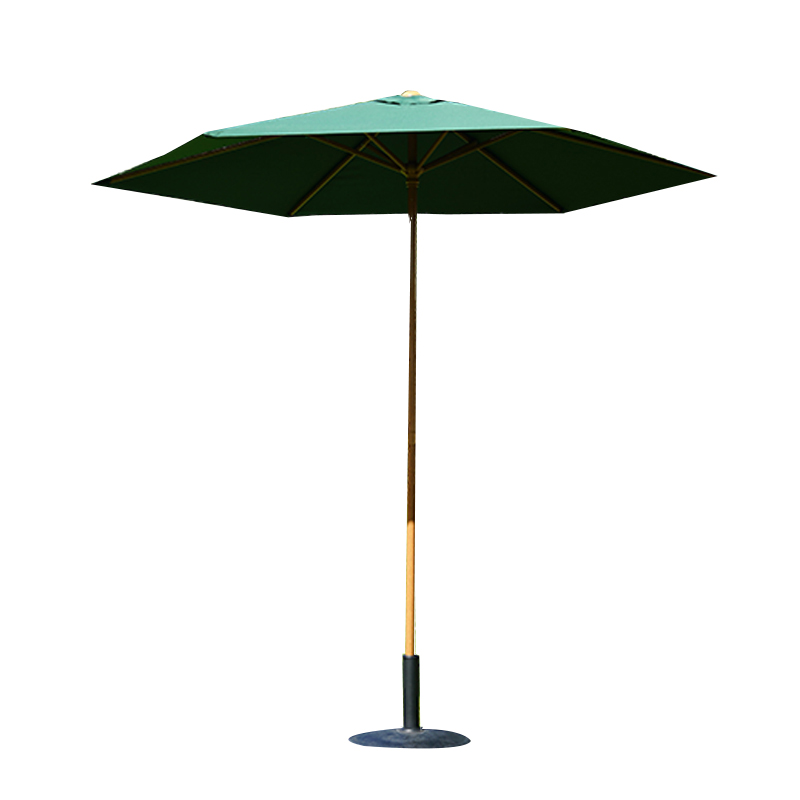
Market umbrellas are the quintessential outdoor café model — typically featuring a cloth umbrella canopy in stripes or solid colors, aluminum or wood pole, and a valanced edge. Many professional hospitality buyers prefer this style for its visual polish and easy replaceability of the canopy fabric.
The Role of Fabric: Why Cloth Umbrellas Dominate the Premium Segment
The canopy is arguably the most critical component of any huge outdoor umbrella. A well-made cloth umbrella does far more than block sunlight — it resists fading, repels moisture, breathes to reduce heat buildup underneath, and lasts through multiple seasons of heavy use.
Most Common Cloth Umbrella Fabrics Compared
| Fabric Type |
UV Protection |
Water Resistance |
Fade Resistance |
Breathability |
Price Range |
| Solution-Dyed Acrylic (e.g., Sunbrella) |
Excellent (UPF 50+) |
High |
Excellent (10+ years) |
Good |
$$$ |
| Polyester |
Moderate (UPF 30–40) |
Moderate |
Moderate (3–5 years) |
Low |
$ |
| Olefin (Polypropylene) |
Good (UPF 40–50) |
High |
Good (5–8 years) |
Moderate |
$$ |
| Canvas / Natural Cotton |
Low–Moderate |
Low (unless treated) |
Poor–Moderate |
Excellent |
$$ |
| Recycled PET |
Good (UPF 40+) |
Moderate–High |
Good |
Moderate |
$$ |
For buyers seeking the best long-term value in a cloth umbrella, solution-dyed acrylic remains the gold standard. The color pigment is embedded into the fiber itself during manufacturing, meaning it doesn't sit on the surface where UV rays, rain, and abrasion can strip it away.
Pole and Frame Materials: What Holds Your Huge Outdoor Umbrella Together
A premium cloth umbrella canopy paired with a cheap, flimsy frame is a recipe for disappointment. The structural integrity of any huge outdoor umbrella depends heavily on pole and rib materials.
- Aluminum: Lightweight, rust-proof, and low-maintenance. The most common pole material in modern shade maker umbrellas. Look for at least 1.5" diameter poles on 11 ft models.
- Hardwood (Teak, Eucalyptus): Classic aesthetic appeal. Heavier and requires seasonal oiling to prevent cracking. Often chosen for high-end cloth umbrella market-style designs.
- Fiberglass ribs: Flexible and wind-resistant — fiberglass ribs can bend without breaking in gusts, unlike aluminum ribs which may snap. Increasingly common on premium huge outdoor umbrellas.
- Steel: Heavier but very strong. Common in commercial-grade shade maker umbrellas for restaurants and event venues.
Best Uses for a Huge Outdoor Umbrella by Setting
Residential Patios and Decks
For most homeowners, an 11 ft umbrella cover hits the sweet spot between coverage and manageability. A center-pole or offset shade maker umbrella in a neutral cloth umbrella tone (beige, grey, navy) pairs effortlessly with most outdoor furniture. Choose a push-button tilt mechanism for easy angle adjustment throughout the day.
Pool and Lounge Areas
Cantilever-style huge outdoor umbrellas excel around pools where a center pole would obstruct movement. Look for cloth umbrella fabrics with UPF 50+ ratings — loungers spend extended periods under direct overhead coverage, making UV protection especially critical.
Commercial and Hospitality
Restaurants and cafés require shade maker umbrellas that handle constant setup, takedown, and exposure. Heavy-gauge steel poles, commercial-grade cloth umbrella fabrics, and weighted concrete or steel bases are the standard. An 11 ft umbrella cover per table is a common configuration for al fresco dining sections.
Events and Temporary Setups
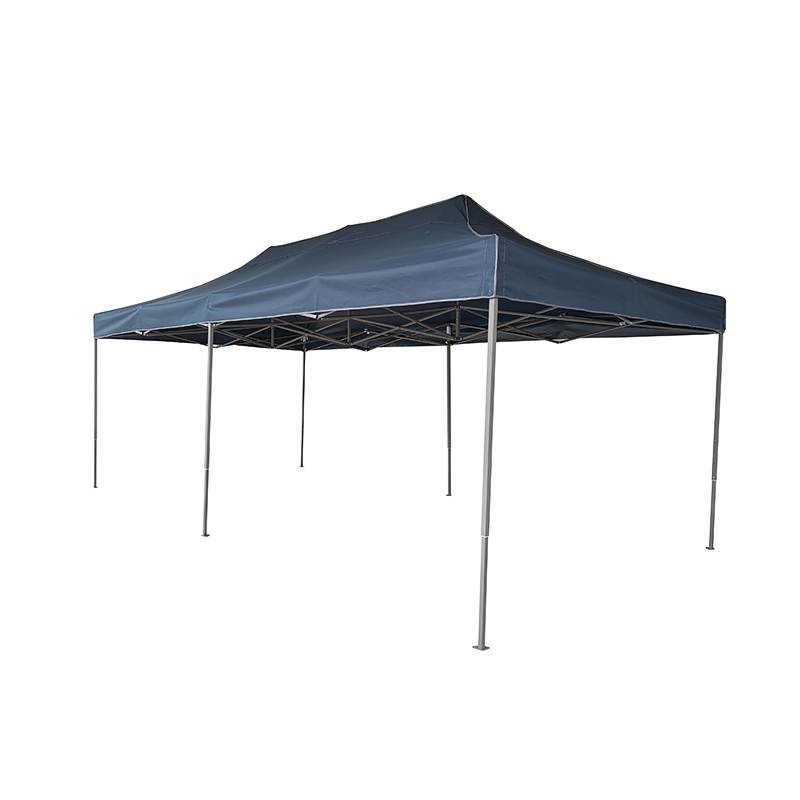
For markets, festivals, and temporary outdoor events, a portable huge outdoor umbrella with a fillable water or sand base offers flexible deployment without permanent installation. Models with carrying bags and telescoping poles make transport significantly easier.
How to Anchor and Secure a Huge Outdoor Umbrella Safely
One of the most overlooked aspects of owning a huge outdoor umbrella is proper anchoring. An unsecured 11 ft umbrella cover catching wind acts like a sail — a fully open canopy can generate over 100 lbs of lateral force in moderate gusts. Safe anchoring options include:
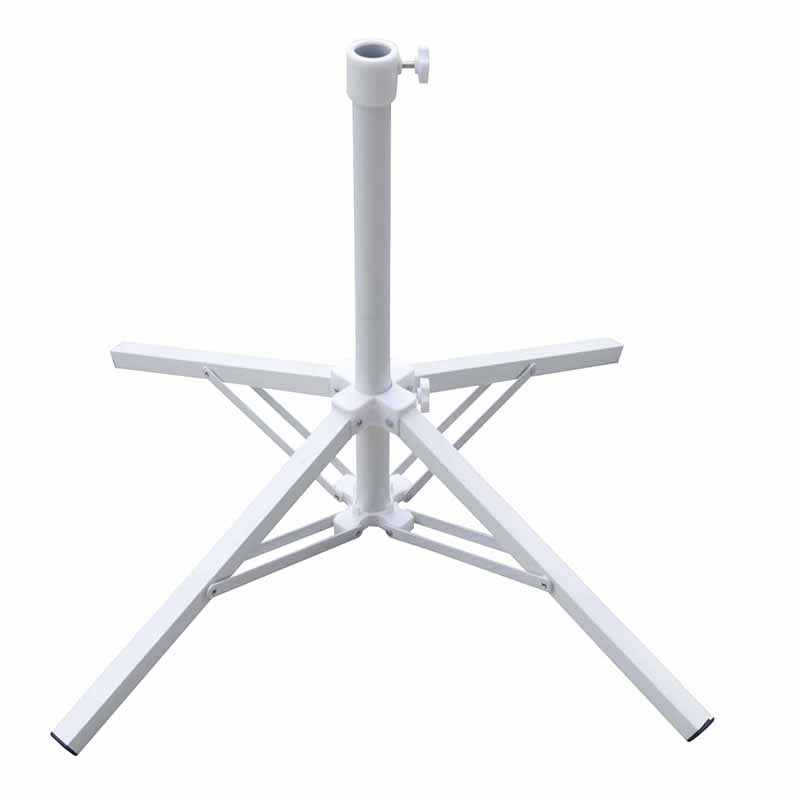
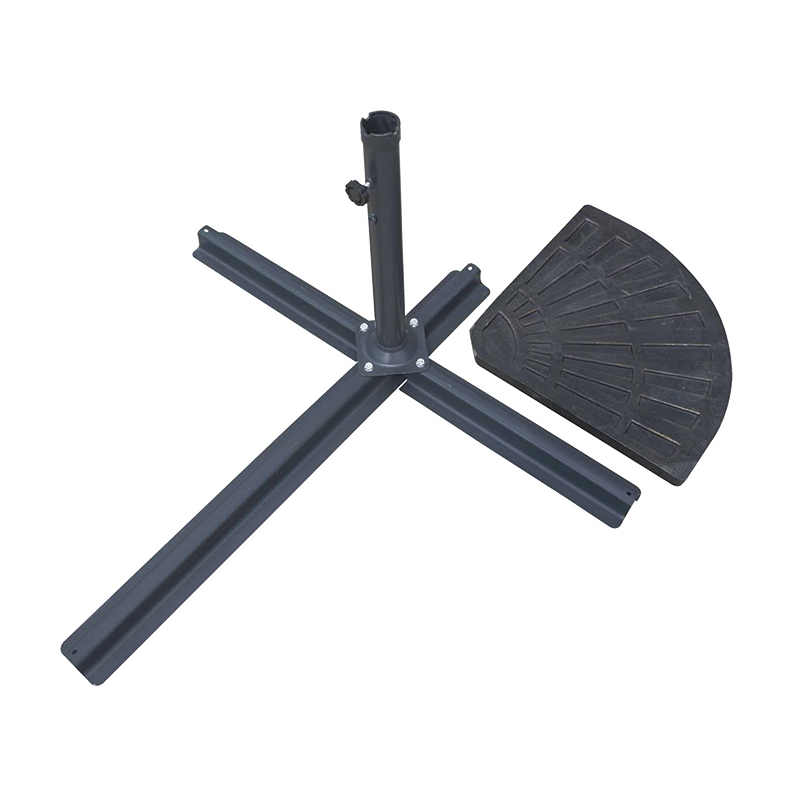
- Weighted bases (50–100+ lbs): Fillable bases (sand or water) are the most common residential solution. For an 11 ft umbrella cover, aim for a minimum base weight of 50 lbs — 75+ lbs for windier locations.
- In-ground sleeves: A permanent sleeve anchored in concrete allows quick umbrella insertion and removal. Ideal for any fixed-location shade maker umbrella setup.
- Table-integrated mounts: Center-hole patio tables with locking umbrella rings provide stability while distributing weight across the table base.
- Always close when unattended: Any huge outdoor umbrella should be closed and secured when not in active use — especially during storms or at night.
Shade Maker Umbrella Buying Checklist: What to Evaluate Before Purchase
- Canopy Size: Measure your seating area first and choose an 11 ft umbrella cover (or larger) that exceeds it by at least 2 ft on each side.
- Fabric Quality: Prioritize solution-dyed acrylic cloth umbrella canopies for longevity and UV resistance.
- Frame Strength: Fiberglass ribs + aluminum or steel pole for the best balance of weight and durability.
- Opening Mechanism: Crank-lift systems are far easier to operate on large huge outdoor umbrellas than push-up models.
- Tilt Function: A tilt mechanism extends the useful hours of shade from your shade maker umbrella significantly.
- Base Compatibility: Confirm pole diameter matches available bases — most 11 ft umbrella cover models use 1.5" or 2" poles.
- Warranty: Reputable manufacturers offer 1–5 year warranties on frame and fabric. Shorter warranties on cloth umbrella products often signal lower material quality.
Maintenance Tips: Making Your Cloth Umbrella Last for Years
A cloth umbrella canopy is an investment. With proper care, a quality shade maker umbrella can deliver 8–15 years of reliable performance:
- Regular cleaning: Brush off loose debris weekly. For deeper cleaning, mix mild soap with lukewarm water and scrub the cloth umbrella canopy gently with a soft brush. Rinse thoroughly and allow to air dry fully before closing.
- Mold and mildew prevention: Never store a damp huge outdoor umbrella in an enclosed cover. Allow the fabric to dry completely in open air after rain.
- Off-season storage: For 11 ft umbrella cover canopies, a breathable storage bag (not plastic) kept in a dry, indoor location will significantly extend lifespan.
- Frame inspection: Check ribs, joints, and the pole for corrosion, cracks, or loose hardware before and after each season. Apply a light coat of WD-40 or silicone lubricant to metal joints annually.
- Canopy replacement: Most reputable shade maker umbrella brands sell replacement canopy covers separately — a cost-effective way to extend the life of a quality frame.
Frequently Asked Questions
Q: What is the best size for a huge outdoor umbrella for a 6-person patio table?
An 11 ft umbrella cover is the ideal choice for a 6-person outdoor dining set. It provides approximately 95 sq ft of shade coverage — enough to cover a standard 60"–72" table with comfortable clearance on all sides. For larger tables or if guests frequently sit beyond the table edge, a 13 ft huge outdoor umbrella offers additional buffer room.
Q: How do I know if a cloth umbrella fabric has good UV protection?
Look for a UPF (Ultraviolet Protection Factor) rating on the product specification. A quality cloth umbrella canopy should carry a UPF 50+ rating, meaning it blocks over 98% of UV radiation. Solution-dyed acrylic fabrics (such as those made by Sunbrella) consistently achieve UPF 50+ and maintain this rating even after years of sun exposure, unlike polyester fabrics that degrade faster.
Q: Are shade maker umbrellas suitable for year-round outdoor use?
High-quality shade maker umbrellas with aluminum or steel frames and solution-dyed acrylic cloth umbrella canopies can handle year-round exposure in mild climates. However, in areas with heavy snow, ice, or severe storms, it is strongly recommended to close and store your huge outdoor umbrella during winter months. Snow accumulation on an open canopy can cause irreparable structural damage.
Q: Can I replace just the canopy on my 11 ft umbrella cover frame?
Yes, in most cases. Many brands that sell shade maker umbrellas offer replacement canopy covers for their frames. When shopping for a replacement 11 ft umbrella cover canopy, confirm the panel count (typically 6 or 8 panels for an 11 ft model), pole diameter, and hub type match your existing frame. Replacement cloth umbrella canopies are widely available from both original manufacturers and third-party suppliers.
Q: What base weight do I need for a huge outdoor umbrella?
As a general rule, a huge outdoor umbrella with an 11 ft umbrella cover requires a minimum base weight of 50 lbs for standard residential use. In areas with regular wind exposure, increase this to 75–100 lbs. For offset cantilever shade maker umbrellas, the base requirement is even higher — typically 100–150 lbs — due to the leverage created by the side-mounted pole.
Q: How do I clean a cloth umbrella canopy that has mold or mildew?
For mold or mildew on a cloth umbrella, prepare a solution of 1 cup bleach and ¼ cup mild dish soap per gallon of cool water. Apply to the affected area, allow to soak for 15 minutes, then scrub gently with a soft-bristle brush. Rinse thoroughly with clean water and allow to dry completely in open air. Avoid using hot water or harsh solvents, as these can degrade UV-protective coatings on the cloth umbrella fabric.
Q: Is a wood or aluminum pole better for a shade maker umbrella?
Both materials have legitimate advantages. Aluminum poles on a shade maker umbrella are lighter, rust-proof, and require no maintenance — making them the practical choice for most buyers. Hardwood poles (typically teak or eucalyptus) offer a premium aesthetic and are often favored in market-style cloth umbrella designs for upscale settings. Wood does require annual oiling or sealing to prevent weathering. For huge outdoor umbrellas in high-humidity or coastal environments, aluminum is generally the more reliable long-term choice.


 English
 Español
 عربى
عربى
 Português