2025-12-23
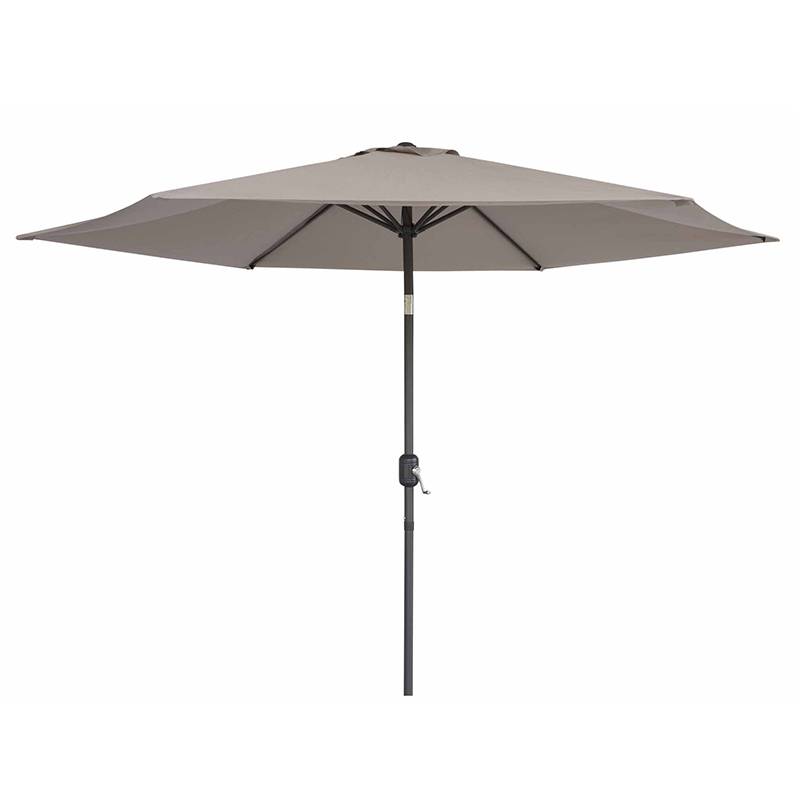
The Beach Parasol Umbrella has become an essential accessory for beachgoers seeking comfort, sun protection, and style. However, not all environmental conditions are suitable for every type of beach umbrella. Selecting the right conditions ensures safety, durability, and a pleasant experience under the sun.
Content
One of the primary functions of a Beach Parasol Umbrella is to provide shade and protect users from harmful UV rays. The ideal environmental condition is a location with strong sunlight where shade is limited naturally.
Wind is a critical factor that affects the stability and safety of a Beach Parasol Umbrella. Beach umbrellas are susceptible to being overturned or damaged if used in unsuitable wind conditions.
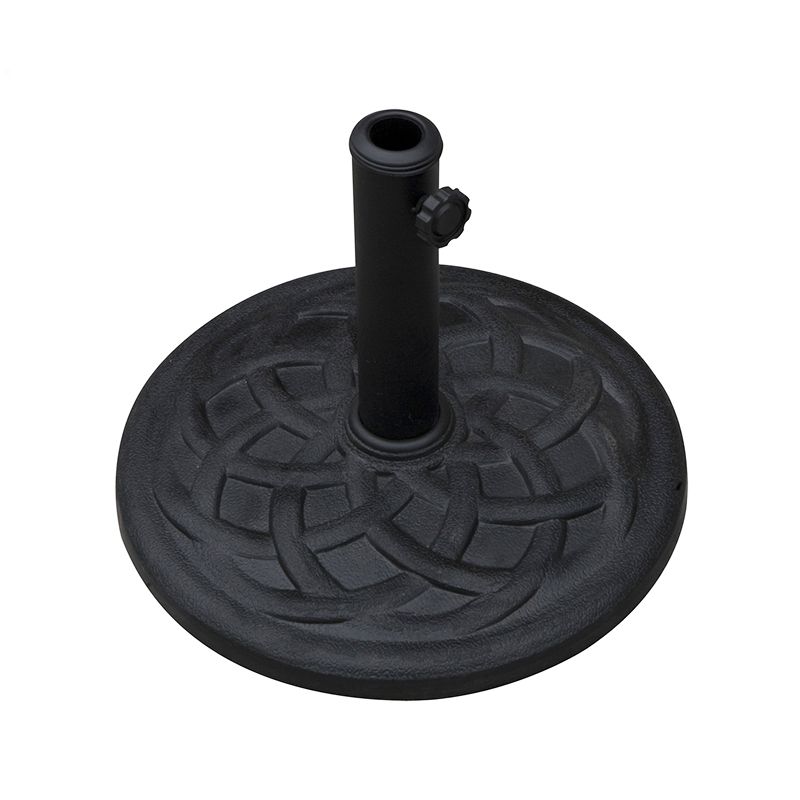
The type of surface where a Beach Parasol Umbrella is placed significantly influences its stability and ease of setup.
High temperatures are common at beaches, making a Beach Parasol Umbrella not only a source of shade but also a cooling shelter.
While beach umbrellas are primarily designed for sun protection, some models are water-resistant, making them versatile for unexpected rain showers.
Not all beach umbrellas perform equally under varying environmental conditions. Here’s a comparison of common types:
| Type of Umbrella | Best for Sun Protection | Wind Resistance | Portability | Rain Resistance |
|---|---|---|---|---|
| Standard Aluminum Pole | Moderate to High | Low to Moderate | High | Low |
| Fiberglass Ribs Umbrella | High | Moderate to High | Moderate | Moderate |
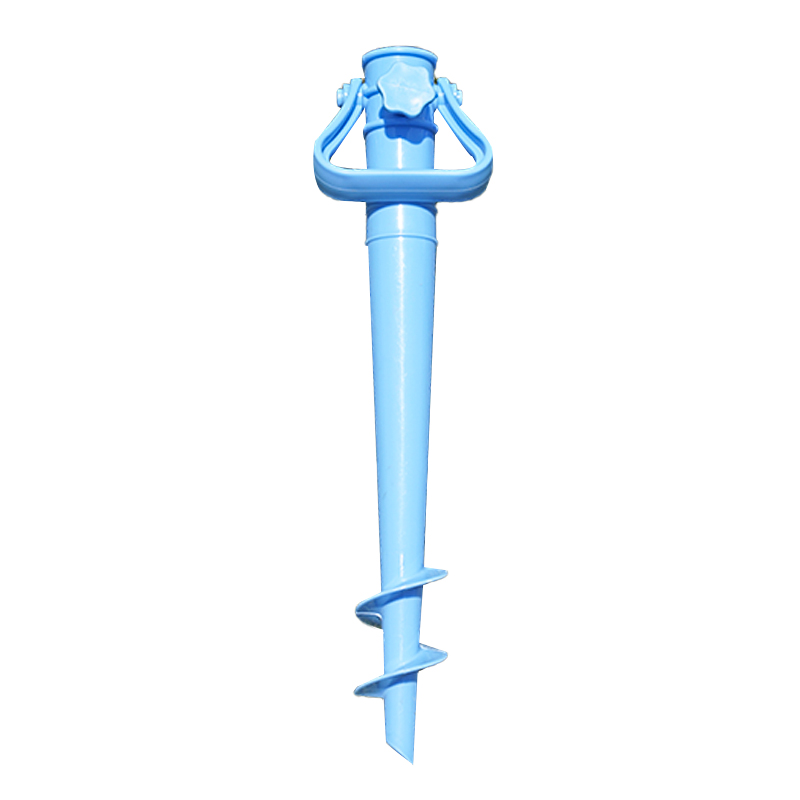
| Tilting Parasol with Sand Anchor | High | High | Moderate | Moderate |
| UV-Coated Fabric Umbrella | Very High | Moderate | High | Low |
Most standard umbrellas are designed for light to moderate wind. For strong wind conditions, reinforced fiberglass ribs and sand anchors are recommended, but extreme gusts remain unsafe.
Yes. High-quality umbrellas with UV-coated fabrics can block up to 98% of harmful rays, making them highly effective for prolonged sun exposure.
Yes, with the appropriate base or anchor, beach parasol umbrellas can be used on grass, gravel, or hard surfaces.
No. Most are designed for sun protection. Some models have water-resistant coatings for light rain but should not be used in heavy rain or storms.
Clean the fabric regularly, check the pole and ribs for damage, store in a protective bag, and avoid leaving it open in high winds.
Choosing the right environmental conditions for a Beach Parasol Umbrella is essential for safety, comfort, and longevity. Ideal conditions include strong sunlight, light to moderate winds, soft or moderately firm surfaces, and warm weather. Understanding the environmental limitations and taking appropriate precautions ensures a safe and enjoyable experience at the beach. Selecting the right umbrella type and maintaining it properly can maximize both sun protection and durability.
related products
Be the First to Know
+86 13357500282
Songxia Town, Shangyu District, Shaoxing City, Zhejiang Province, China
China Parasols Factory And Wholesale Garden Umbrellas Manufacturers


 English
 Español
 عربى
عربى
 Português