2026-02-06
When it comes to enjoying a day at the beach, having proper sun protection is crucial. While there are many options for creating shade, three of the most common choices are Beach Parasols, Beach Umbrellas, and Beach Tents. Each of these products offers unique advantages, and choosing the best one depends on your specific needs. In this article, we will explore the differences between these three beach shade solutions and help you decide which is right for you.
Content
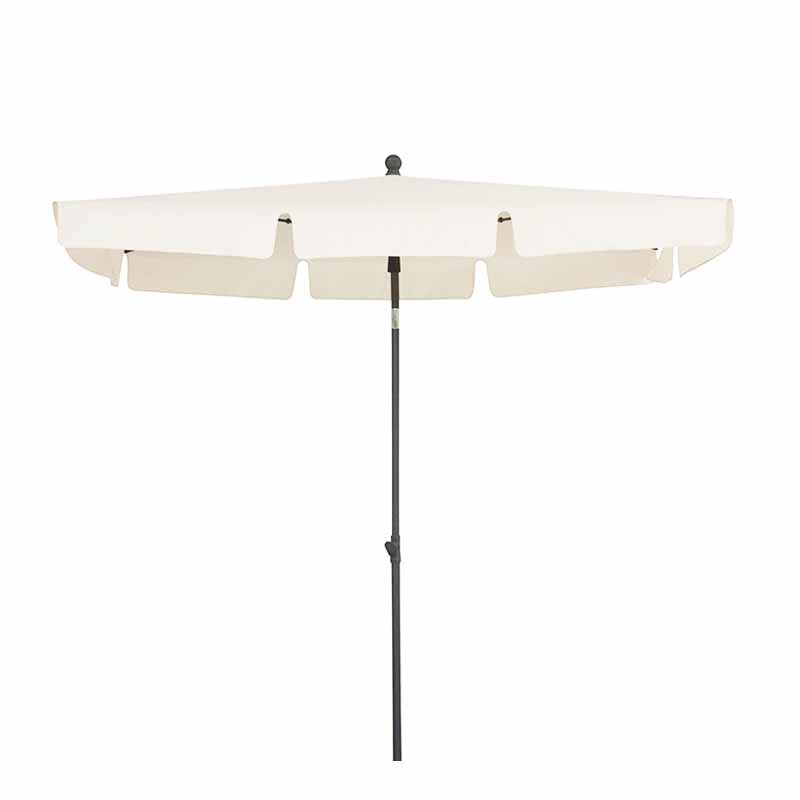
A Beach Parasol is a lightweight, portable shade option typically made with a fabric canopy supported by a single central pole. It's designed to provide shade for one or two people and is ideal for those who need something easy to set up and transport. Most beach parasols come with a tilt function, allowing you to adjust the shade as the sun moves throughout the day.
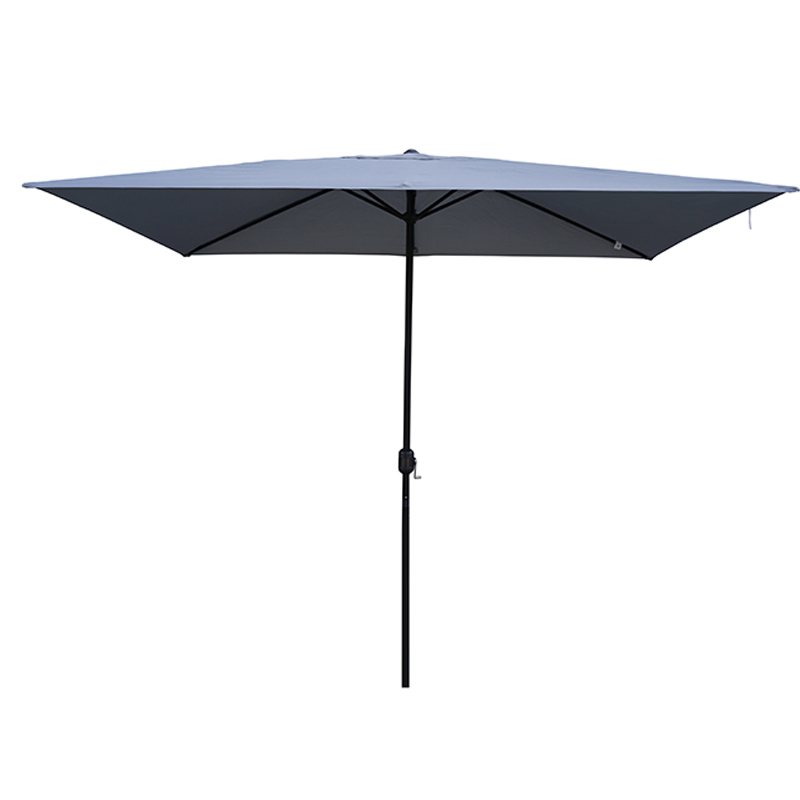
A Beach Umbrella is similar to a parasol in that it offers shade, but it’s generally larger and more robust. Beach umbrellas feature a wide, rounded canopy supported by multiple ribs and a central pole. They tend to be more durable and often come with features like wind vents to keep them from tipping over. Unlike parasols, which are typically smaller, beach umbrellas can offer coverage for larger groups or families.
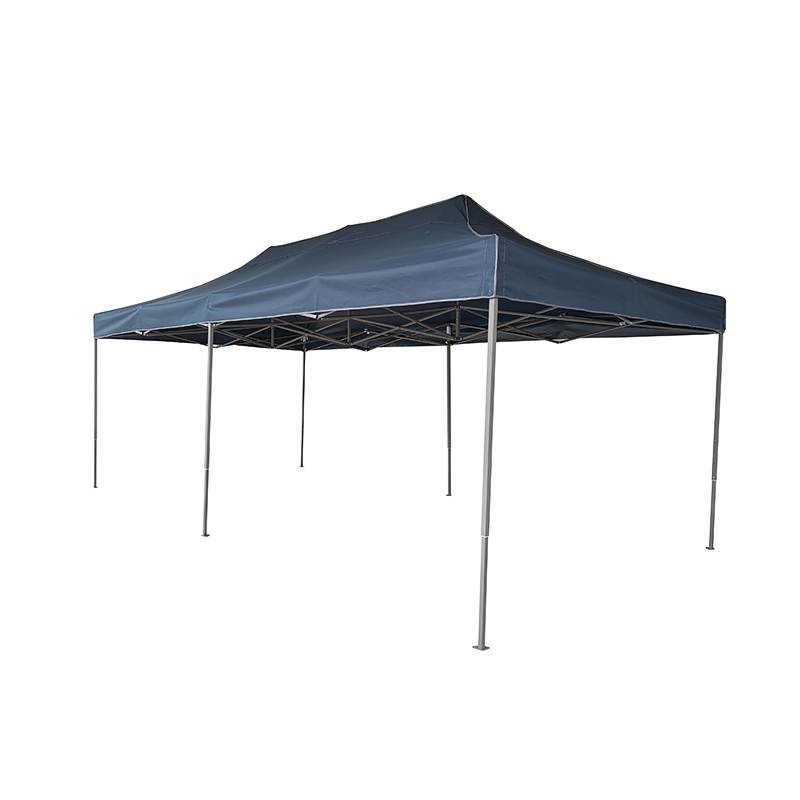
A Beach Tent is a more substantial shelter option for the beach. It is often made with fabric and poles but differs from an umbrella or parasol because it typically provides full coverage and enclosed space. Beach tents are perfect for those looking for privacy or extra protection from wind and sun. They usually require more setup time than a parasol or umbrella but offer greater space and comfort.
To help you make an informed decision, here’s a detailed comparison between Beach Parasols and Beach Umbrellas. Each has its pros and cons depending on what you’re looking for in a beach shade solution.
| Feature | Beach Parasol | Beach Umbrella |
|---|---|---|
| Weight | Lightweight, easy to carry | Heavier, bulkier but more stable |
| Setup | Quick and simple to set up | May take longer to set up, especially larger models |
| Shade Coverage | Smaller, suited for 1-2 people | Larger, suitable for families or groups |
| Wind Resistance | Not very wind-resistant, may blow away in strong winds | More stable in the wind due to wider canopy and ribs |
| Portability | Extremely portable, easy to carry in a bag | Less portable, especially larger umbrellas |
While both a Beach Parasol and a Beach Tent provide shade, they offer different types of protection. Beach parasols typically offer sun protection for one or two people, while beach tents offer complete coverage and shelter. Here’s how they compare:
| Feature | Beach Parasol | Beach Tent |
|---|---|---|
| Sun Protection | Provides moderate sun protection, ideal for short stays | Offers full coverage and better protection from UV rays |
| Privacy | No privacy as it is open-sided | Can provide privacy with fully enclosed walls |
| Wind Protection | Not very effective against strong winds | Better wind protection, especially if it is anchored |
| Ease of Use | Very easy to set up and pack down | More complex setup and teardown, requires more space |
| Comfort | Less comfortable for longer stays | More comfortable, especially for extended beach days |
If you're going to the beach with your family or a larger group, a Beach Tent might be the better option. It offers more space, greater privacy, and better sun protection for everyone. A Beach Umbrella is also a good option for larger groups, as it provides wider coverage and is easier to set up than a tent. However, if you’re heading to the beach alone or with one other person, a Beach Parasol might be all you need for a relaxing day in the sun.
Most beach parasols are water-resistant but not fully waterproof. They can handle light rain but should not be used in heavy downpours.
Beach umbrellas are more wind-resistant than parasols, but very strong winds can still cause them to topple. Some umbrellas are designed with wind vents to improve stability.
Yes, beach tents are spacious enough for a person to sleep in, especially those designed for families or groups. They provide more protection from the elements and are perfect for naps.
For both tents and umbrellas, ensure you anchor them properly by digging the poles into the sand or using stakes. Some beach tents come with built-in stakes or sandbags to keep them secure.
Cleaning a beach parasol is simple. You can rinse it with fresh water and let it air dry. Avoid using harsh chemicals that could damage the fabric.
Choosing between a Beach Parasol, Beach Umbrella vs Tent depends on your personal preferences, beach activities, and the level of protection you need. If you're looking for a lightweight, portable option for short trips, a parasol is perfect. For more stability and larger coverage, a beach umbrella works well. And if you need complete shelter and privacy, a beach tent is the best choice. By understanding the differences, you can make an informed decision and enhance your beach experience.
related products
Be the First to Know
+86 13357500282
Songxia Town, Shangyu District, Shaoxing City, Zhejiang Province, China
China Parasols Factory And Wholesale Garden Umbrellas Manufacturers


 English
 Español
 عربى
عربى
 Português