2026-01-30
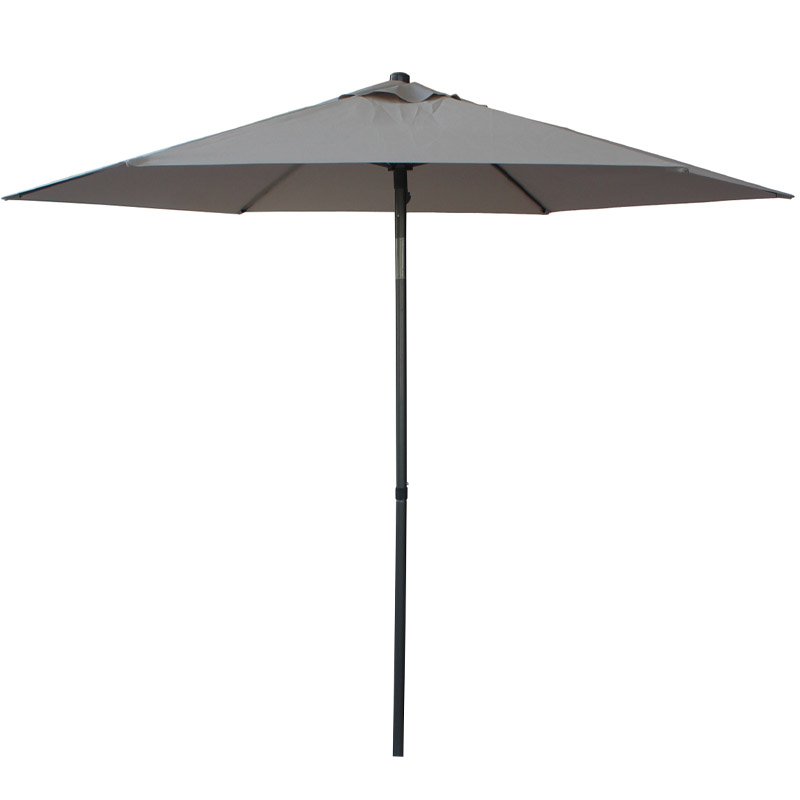
A Patio Umbrella is more than a decorative outdoor accessory. It plays a critical role in providing shade, UV protection, and comfort for patios, gardens, poolside areas, cafés, and commercial outdoor spaces. While many buyers focus on size, color, or price, the true lifespan of a patio umbrella is largely determined by two core components: the frame and the canopy. The materials, structure, and construction quality of these parts directly affect durability, weather resistance, safety, and long-term value.
Content
Outdoor environments expose patio umbrellas to constant stress. Sunlight, wind, rain, humidity, temperature changes, and daily use all accelerate wear. A short-lived umbrella may fade, rust, tear, or collapse, leading to repeated replacements and higher long-term costs.
The lifespan of a patio umbrella typically ranges from 2 to 10 years, depending primarily on the quality of its frame and canopy materials.
The frame functions as the structural backbone of a patio umbrella. It supports the canopy, resists wind forces, and ensures smooth opening and closing. Weak or poorly designed frames are often the first point of failure.
| Frame Material | Durability | Weather Resistance | Typical Lifespan |
|---|---|---|---|
| Aluminum | High | Excellent (rust-resistant) | 6–10 years |
| Steel | Moderate | Fair (requires coating) | 4–7 years |
| Wood (Teak, Eucalyptus) | Moderate to High | Good with maintenance | 5–8 years |
| Fiberglass | Very High | Excellent (flexible, wind-resistant) | 7–10 years |
Aluminum is one of the most popular materials for modern patio umbrellas. Its corrosion resistance makes it ideal for humid, coastal, or rainy environments. Powder-coated aluminum frames further enhance protection against oxidation and scratches.
From a lifespan perspective, aluminum frames significantly reduce structural failure caused by rust, making them a preferred choice for both residential and commercial patio umbrella installations.
Steel frames offer higher initial strength and stability but are more vulnerable to corrosion. Galvanized or powder-coated finishes help extend their lifespan, yet regular inspection is necessary. In poorly maintained outdoor conditions, steel frames may rust internally, compromising safety and durability.
Wooden patio umbrella frames provide a classic and natural appearance. Hardwoods like teak contain natural oils that resist moisture and insects. However, without periodic sealing or oiling, wood can crack, warp, or fade, reducing the umbrella’s lifespan.
Fiberglass ribs are increasingly used in high-end patio umbrellas. Their flexibility allows them to bend under wind stress instead of snapping. This property significantly extends the umbrella’s usable life in windy regions and commercial environments.
Material alone does not define durability. Structural design choices directly affect how well a patio umbrella withstands repeated use.
Umbrellas with reinforced joints and heavy-duty hubs typically last longer than minimalist designs intended for occasional use.
The canopy is the most visible and exposed component of a patio umbrella. It bears direct contact with sunlight, rain, dust, and pollutants. Even with a strong frame, a poor-quality canopy can drastically shorten the overall lifespan.
| Canopy Material | UV Resistance | Fade Resistance | Typical Lifespan |
|---|---|---|---|
| Polyester | Moderate | Low to Moderate | 2–4 years |
| Acrylic Fabric | High | High | 6–8 years |
| Olefin | High | Good | 5–7 years |
| Solution-Dyed Acrylic | Very High | Excellent | 7–10 years |
Polyester is commonly used in entry-level patio umbrellas due to its low cost and wide color selection. However, prolonged UV exposure leads to fading and fabric weakening. Without UV inhibitors, polyester canopies may degrade within a few seasons.
Acrylic fabrics are engineered for outdoor performance. Solution-dyed acrylic fibers lock color into the yarn itself, preventing fading even under intense sunlight. These canopies resist mildew, tearing, and UV damage, making them a premium choice for long-lasting patio umbrellas.
Beyond material type, fabric weight and stitching determine durability. High-density weaves resist tearing, while reinforced seams prevent fraying. Double-stitched edges and vent reinforcements significantly extend canopy lifespan.
Canopy vents are not just aesthetic features. Proper ventilation reduces wind pressure buildup, minimizing stress on both the canopy fabric and frame.
A well-vented patio umbrella experiences less fabric tension during windy conditions, extending its service life.
The lifespan of a patio umbrella depends on how well the frame and canopy work together. A heavy canopy on a lightweight frame accelerates joint wear, while a strong frame paired with a weak canopy leads to early fabric failure.
Balanced design ensures even load distribution, smooth operation, and consistent performance over time.
Using a protective cover during off-season storage significantly reduces UV and moisture exposure.
| Usage Type | Recommended Frame | Recommended Canopy | Expected Lifespan |
|---|---|---|---|
| Residential | Aluminum / Wood | Polyester / Olefin | 3–6 years |
| Commercial | Aluminum / Fiberglass | Acrylic | 6–10 years |
External conditions play a critical role in how long a patio umbrella lasts.
Selecting frame and canopy materials tailored to local climate conditions greatly improves lifespan.
A well-constructed patio umbrella with an aluminum or fiberglass frame and an acrylic canopy can last between 7 and 10 years with proper care.
In most cases, the canopy shows visible wear first due to UV exposure, while poorly coated steel frames may fail earlier in humid environments.
Not necessarily. Material quality, corrosion resistance, and structural design are more important than weight alone.
Yes. If the frame remains structurally sound, replacing a worn canopy can restore functionality and extend overall use.
Vented canopies reduce wind stress, which helps preserve both the fabric and frame over time.
The lifespan of a Patio Umbrella is not determined by appearance alone. Frame materials, structural design, canopy fabric quality, and environmental suitability all interact to define durability. Investing in a corrosion-resistant frame and UV-stable canopy fabric reduces replacement frequency and ensures consistent outdoor performance.
For both residential and commercial settings, understanding how the frame and canopy affect longevity leads to better purchasing decisions, improved safety, and sustained outdoor comfort year after year.
related products
Be the First to Know
+86 13357500282
Songxia Town, Shangyu District, Shaoxing City, Zhejiang Province, China
China Parasols Factory And Wholesale Garden Umbrellas Manufacturers


 English
 Español
 عربى
عربى
 Português