2026-01-23
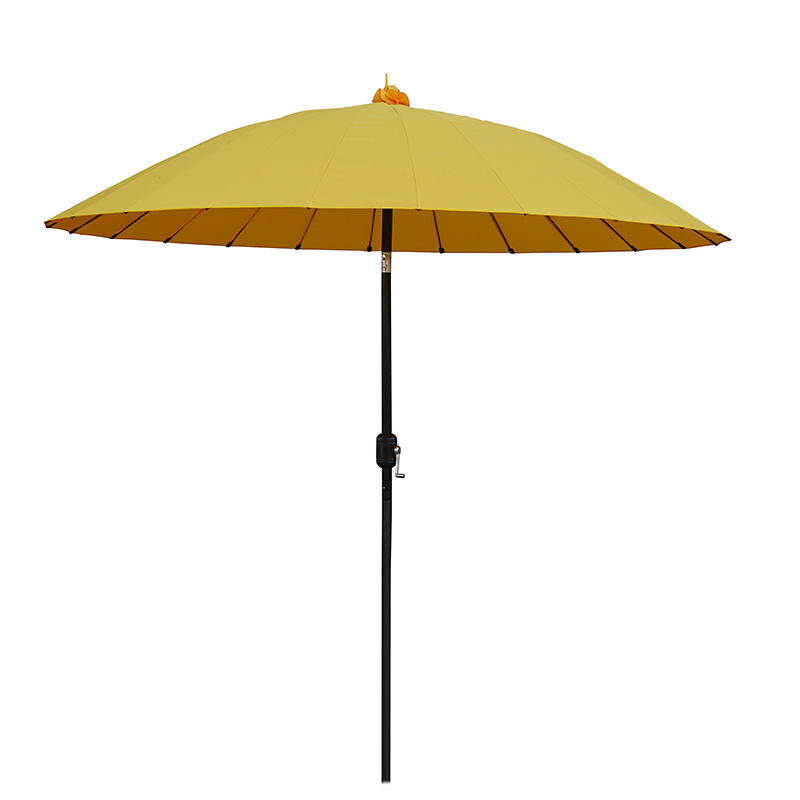
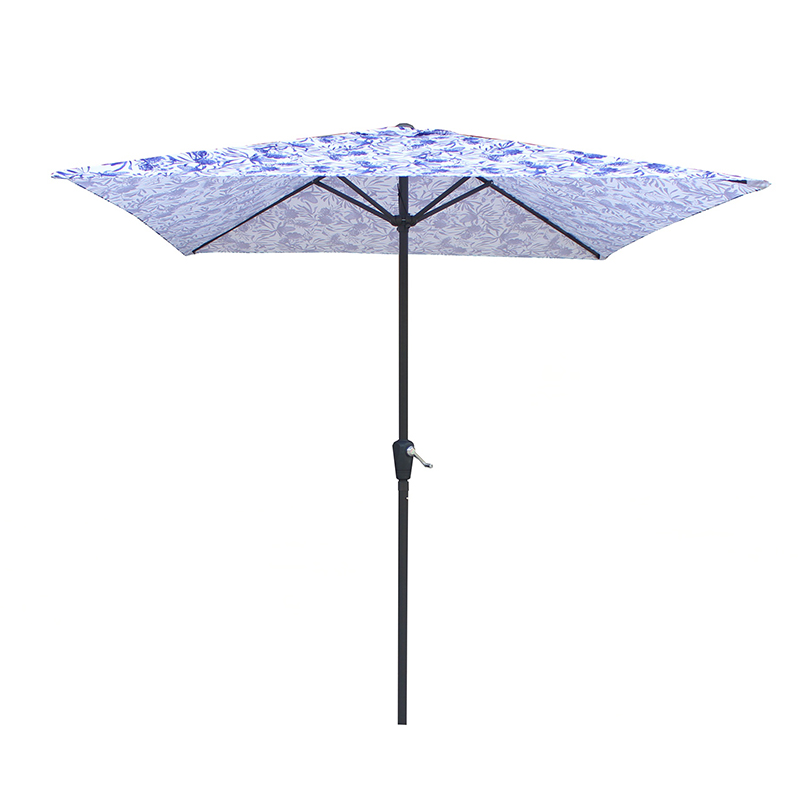
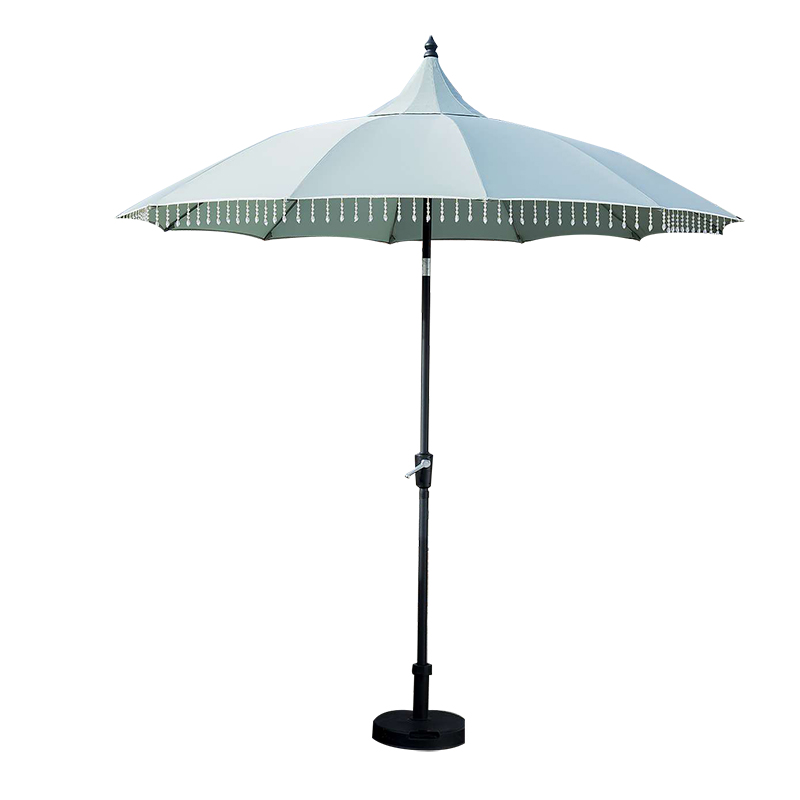
Patio Umbrellas are an essential accessory for outdoor spaces, providing shade, protection from the sun, and enhancing the aesthetics of patios, gardens, or poolside areas. Choosing the right Patio Umbrellas involves understanding the materials used in both the canopy and the frame, as this directly affects durability, performance, and maintenance requirements.
Content
The canopy, or the fabric portion of Patio Umbrellas, plays a crucial role in sun protection, water resistance, and overall longevity. Here are the most common materials used:
Polyester is the most widely used material for Patio Umbrellas. It is lightweight, affordable, and available in a variety of colors and patterns.
Olefin is a synthetic fabric known for its excellent resistance to moisture, mildew, and UV rays, making it ideal for Patio Umbrellas in humid or sunny environments.
Acrylic fabric, such as Sunbrella®, is considered premium material for Patio Umbrellas. It provides superior color retention, UV resistance, and overall durability.
The frame of Patio Umbrellas supports the canopy and determines stability, weight, and resistance to environmental factors. Common materials include:
Aluminum is lightweight, rust-resistant, and easy to move. It is a popular choice for residential Patio Umbrellas.
Steel provides strong support and stability for Patio Umbrellas, especially large or commercial models.
Wood frames, often made from hardwoods like teak or eucalyptus, are valued for their aesthetic appeal and natural look in gardens and patios.
When evaluating the most durable Patio Umbrellas, it is important to consider the combination of canopy and frame materials. The following table summarizes the key durability aspects:
| Canopy Material | Frame Material | Expected Lifespan | Strengths | Weaknesses |
|---|---|---|---|---|
| Acrylic | Teak Wood | 10+ years | Excellent UV resistance, fade-proof, strong aesthetic appeal | Higher cost, heavier |
| Olefin | Aluminum | 5-7 years | Water and mildew resistant, lightweight, low maintenance | Limited color options, moderate wind resistance |
| Polyester | Steel | 5-10 years | Affordable, strong frame support | Prone to fading, heavier frame |
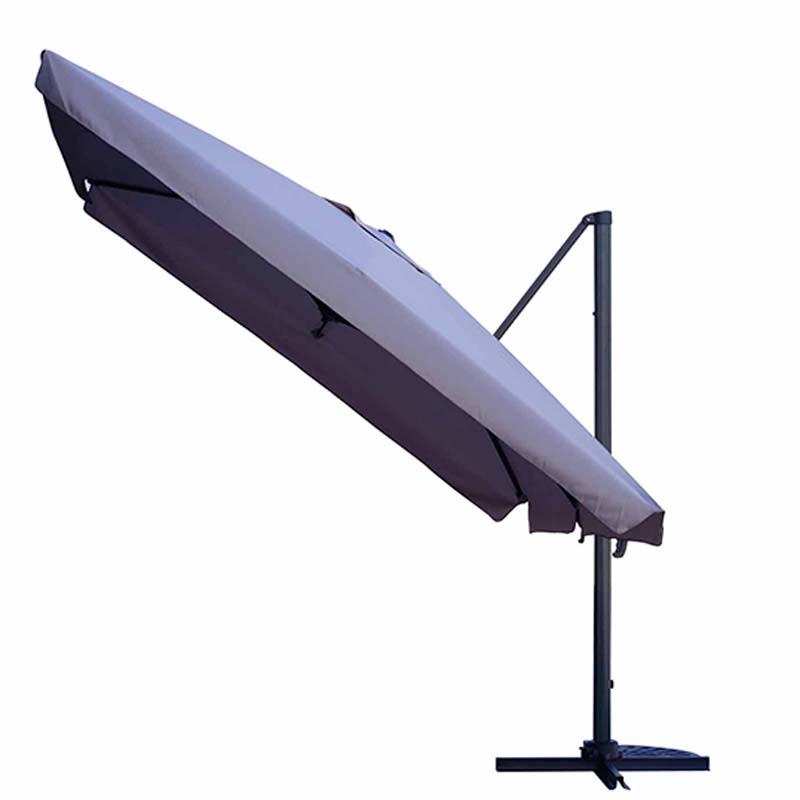
Larger Patio Umbrellas require stronger frames like steel or hardwood to prevent tipping. Cantilever designs often use aluminum or steel with reinforced joints for better stability.
Durable Patio Umbrellas should resist sun, rain, and wind. Acrylic canopies with teak frames are ideal for harsh climates, while olefin with aluminum suits moderate outdoor exposure.
The combination of an acrylic canopy and a hardwood (teak) frame is widely considered the most durable option, providing excellent UV resistance, long lifespan, and natural aesthetic appeal.
Metal frames such as aluminum or steel are more lightweight and require less maintenance. Wood frames are heavier and need regular care but provide superior aesthetics and strength in premium models.
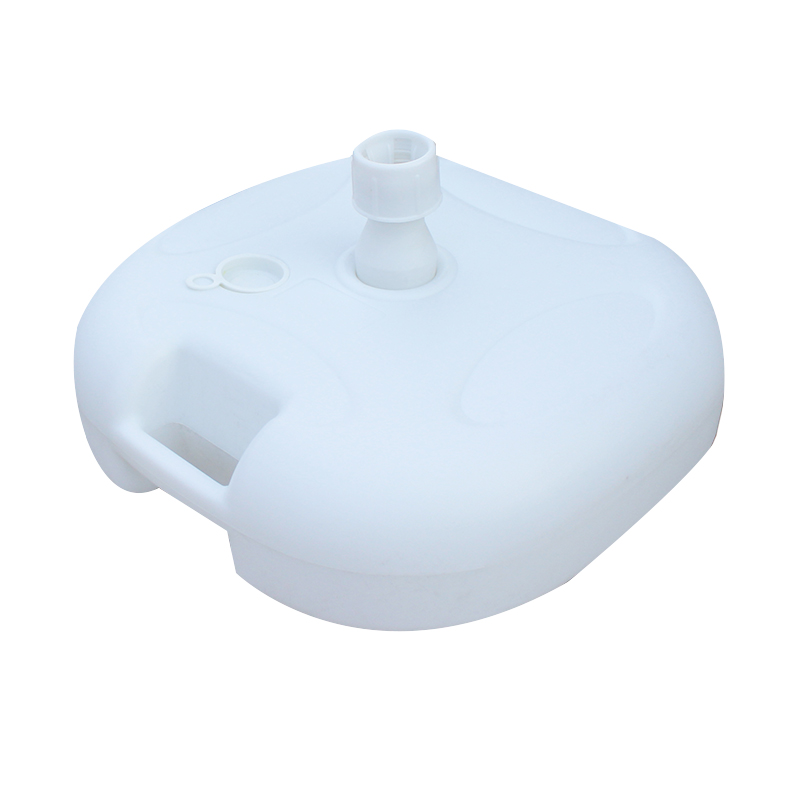
Wind resistance depends on both frame strength and canopy material. Steel frames with olefin or acrylic canopies offer good wind resistance. Always secure umbrellas with weighted bases or anchor systems.
Replacement depends on materials and exposure. Acrylic and wood combinations may last 10+ years, while polyester and aluminum models typically last 5-7 years under normal conditions.
Many acrylic and olefin fabrics are now manufactured with environmentally responsible processes. Teak wood is naturally durable and renewable if sourced sustainably.
Choosing the right Patio Umbrellas requires balancing aesthetics, durability, and maintenance. Acrylic canopies with hardwood frames offer the longest lifespan and superior performance, while polyester or olefin with aluminum frames provide more affordable and lightweight options. Understanding the properties of each material ensures that outdoor spaces remain comfortable, stylish, and long-lasting.
related products
Be the First to Know
+86 13357500282
Songxia Town, Shangyu District, Shaoxing City, Zhejiang Province, China
China Parasols Factory And Wholesale Garden Umbrellas Manufacturers


 English
 Español
 عربى
عربى
 Português