2026-01-16
Outdoor leisure and recreation often call for reliable protection from the sun. Among the many options available, the Beach Parasol has become a popular choice for those seeking portable, stylish, and effective shade. However, it is worth exploring how a Beach Parasol compares with other outdoor shade products, such as patio umbrellas, pop-up tents, and awnings, to determine which solution best suits different outdoor scenarios.
Content
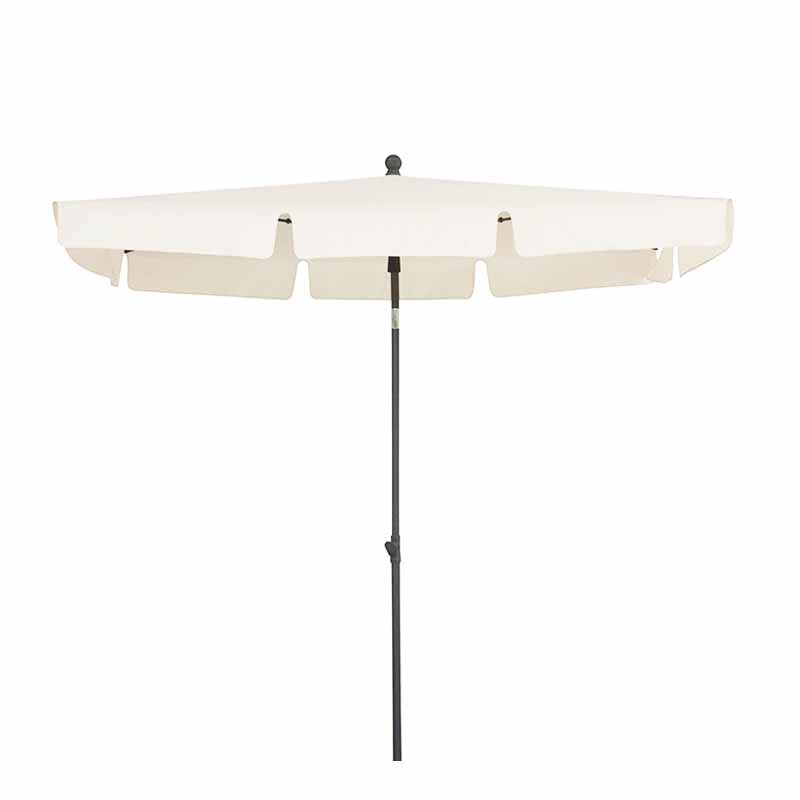
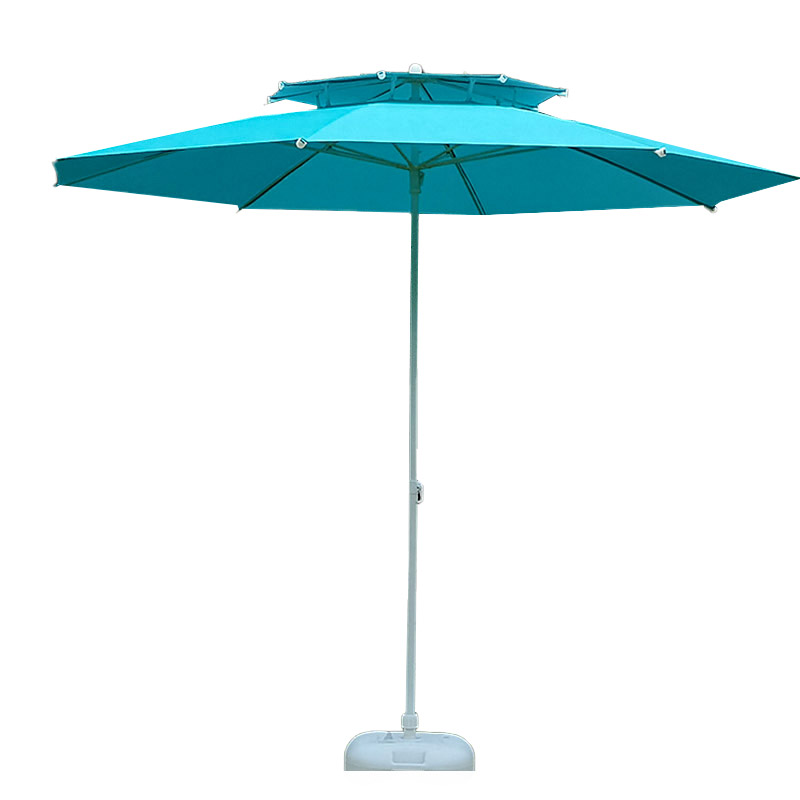
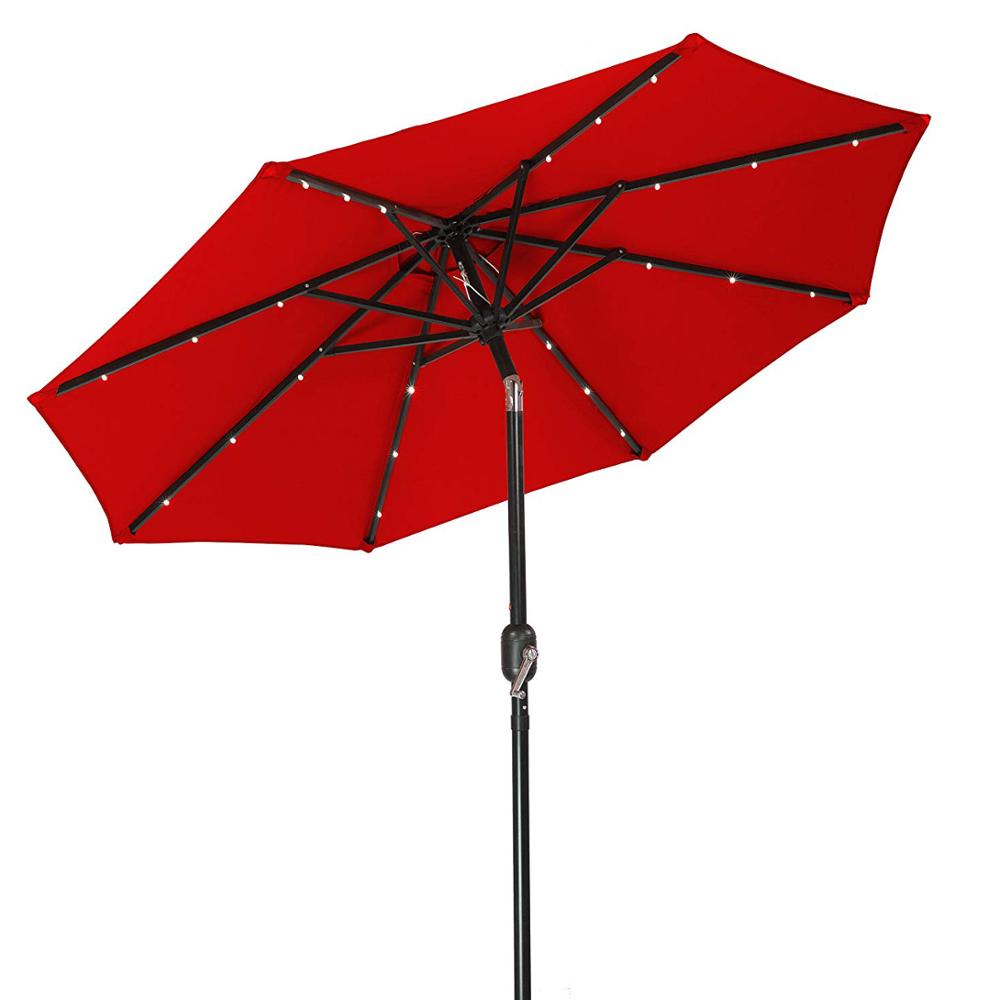
A Beach Parasol is a lightweight umbrella specifically designed for beach use. Typically made from UV-resistant fabric, it offers a combination of sun protection, portability, and ease of setup. Unlike larger umbrellas, beach parasols are designed to be easily inserted into sand or soft ground and adjusted for optimal sun coverage throughout the day.
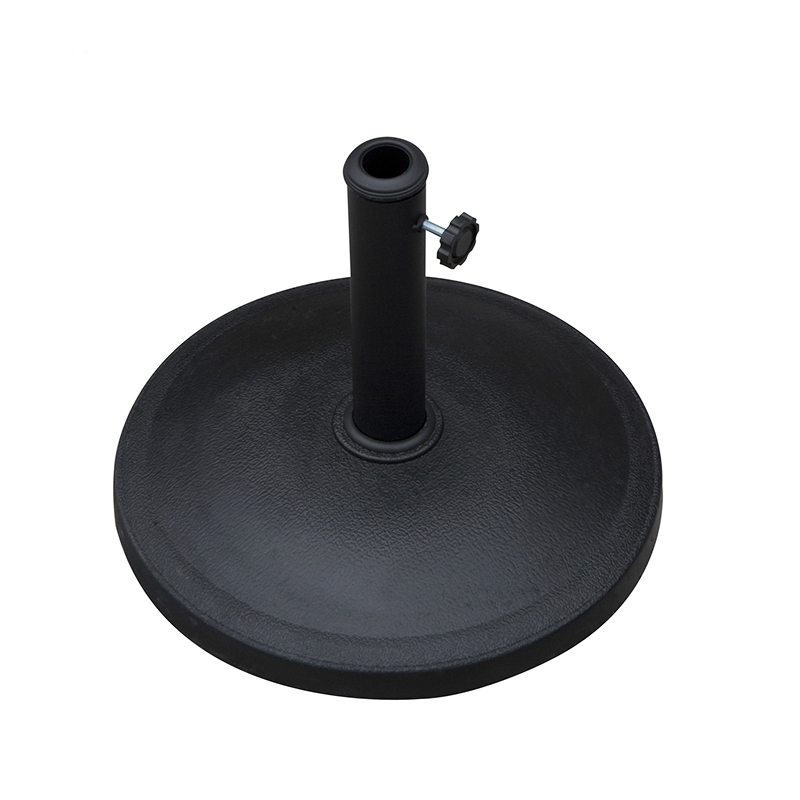
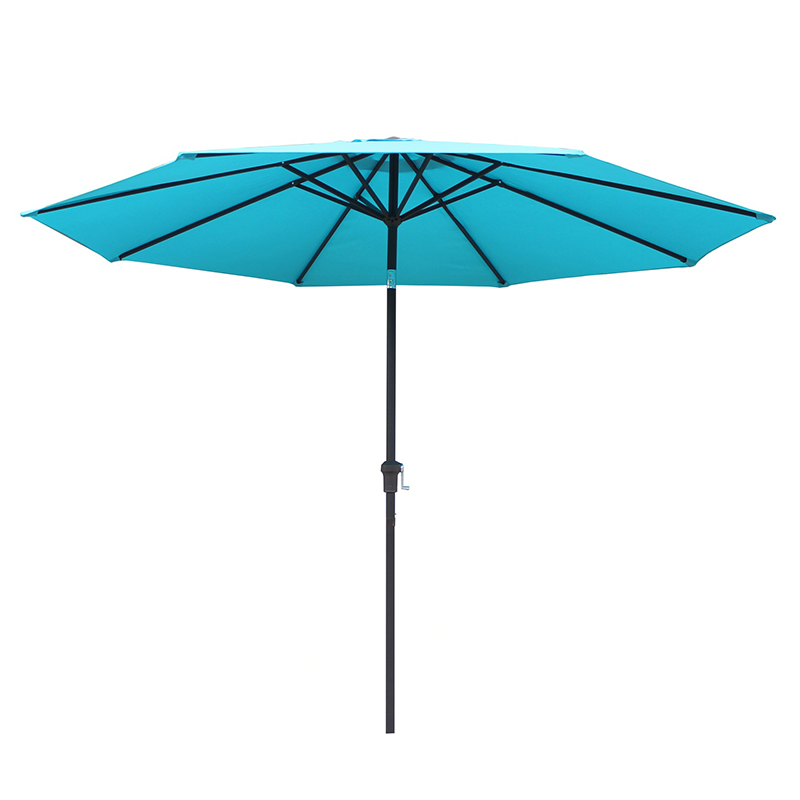
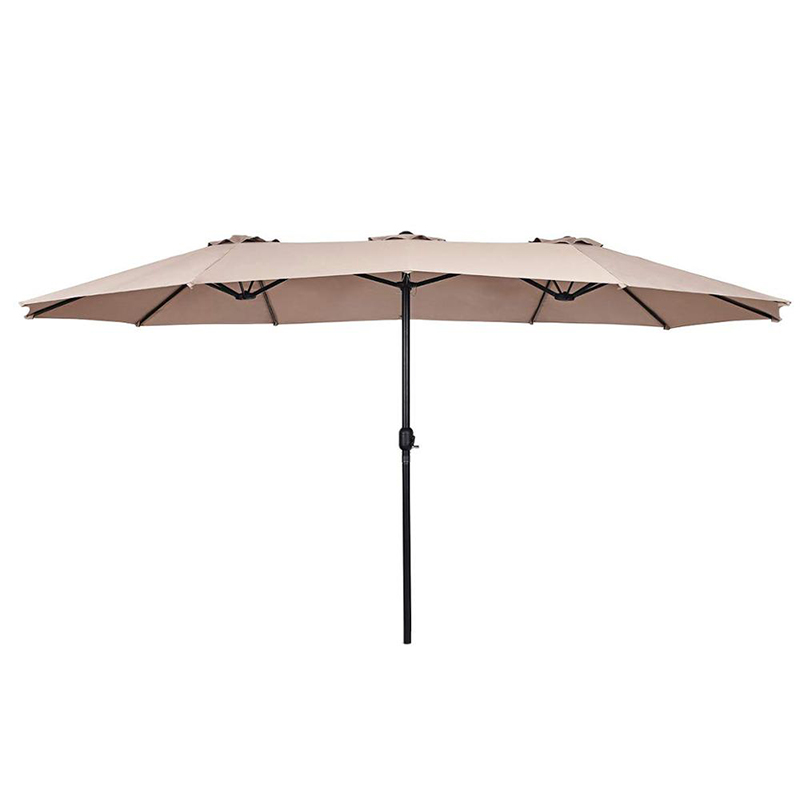
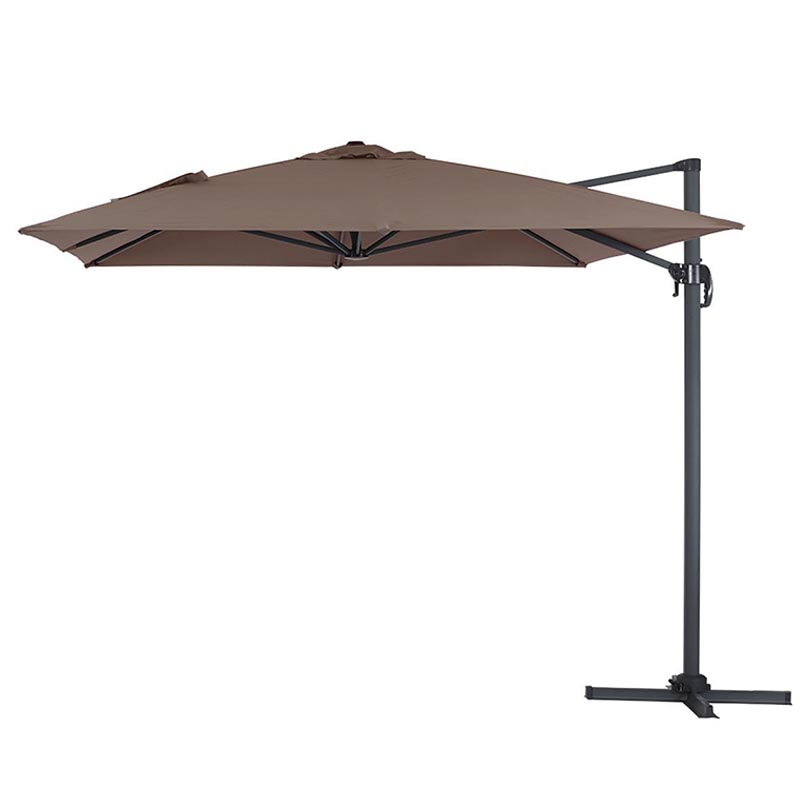
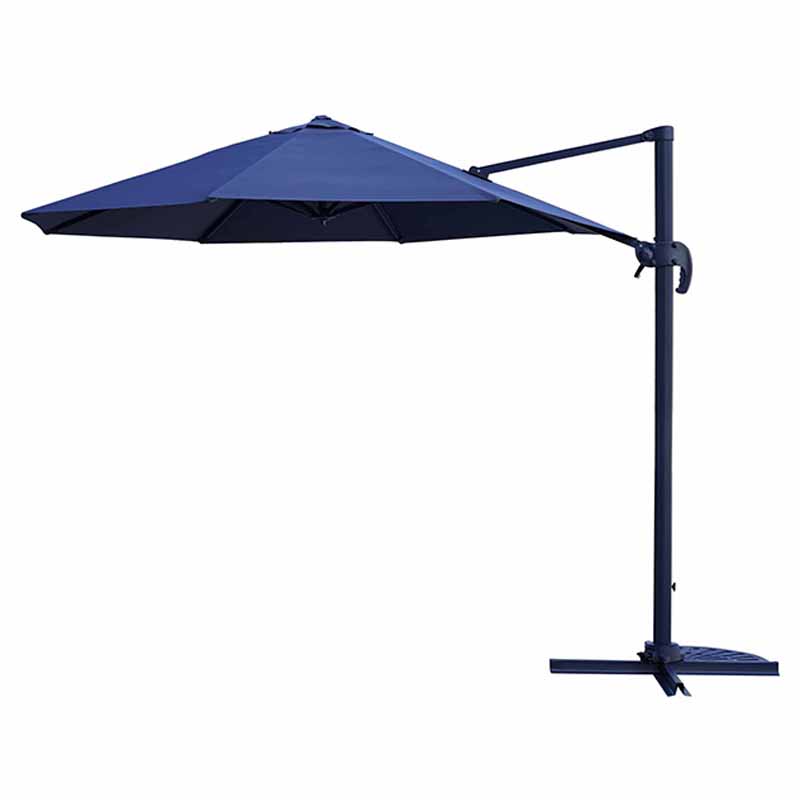
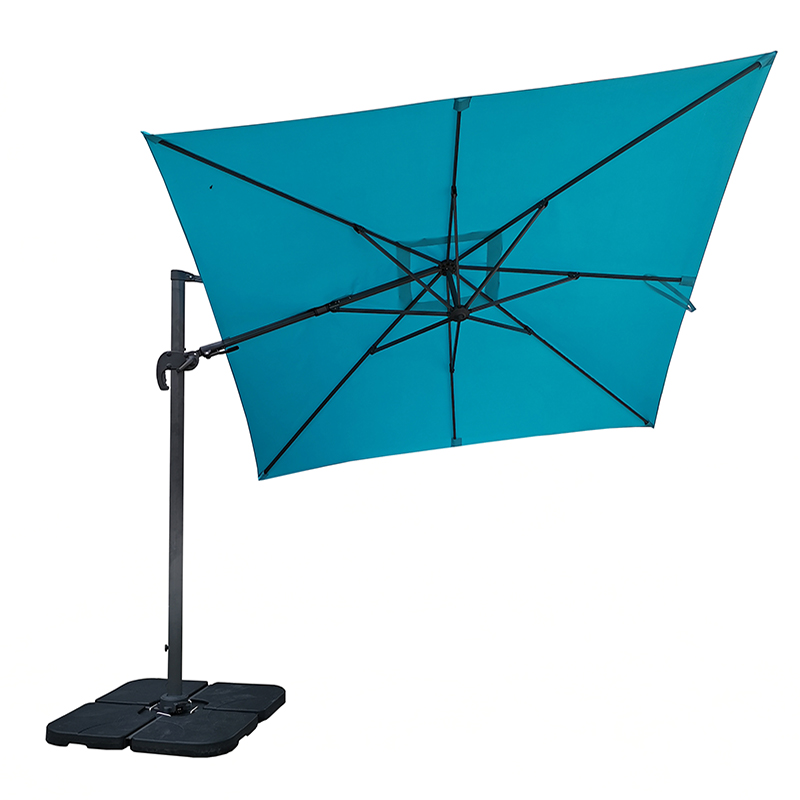
Patio umbrellas are often used in gardens, decks, or poolside areas. They are usually larger than Beach Parasols and are designed for more permanent or semi-permanent setups.
While patio umbrellas excel in home outdoor spaces, Beach Parasols are specifically engineered for temporary, mobile setups, making them more convenient for beach or picnic environments.
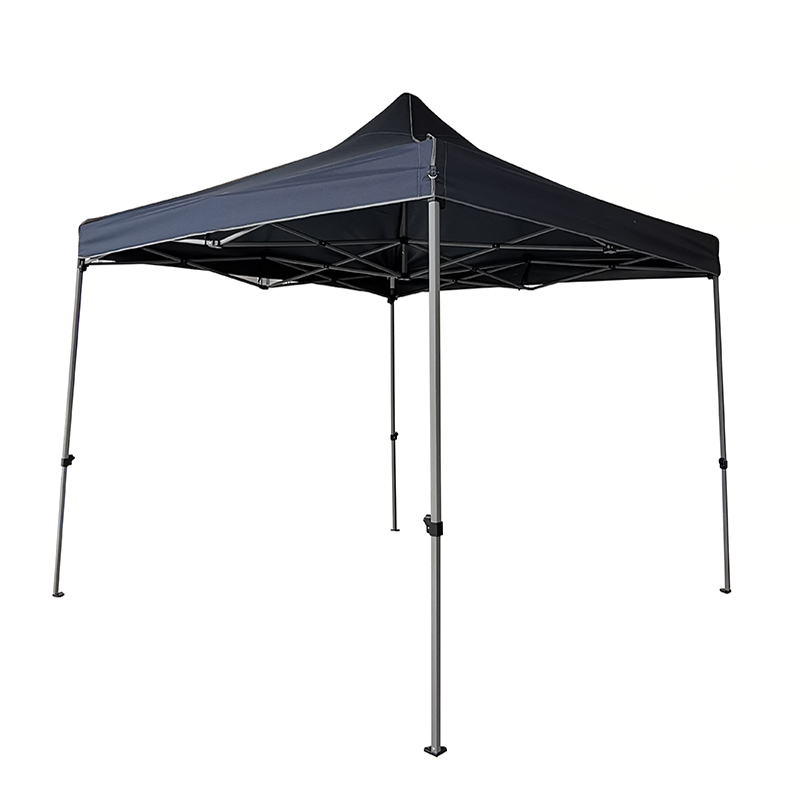
Pop-up tents are another popular shade option, especially for beachgoers who desire more privacy or wind protection.
In summary, a Beach Parasol offers faster setup and flexible positioning for sun protection, while pop-up tents provide more comprehensive shelter but at the cost of portability and simplicity.
Awnings are typically fixed or semi-permanent structures attached to buildings, offering shade to patios, decks, or windows.
For mobile outdoor experiences, Beach Parasols outperform awnings in portability and convenience, though awnings remain unbeatable for permanent outdoor living solutions.
Choosing between a Beach Parasol and other shade options depends on several factors:
A Beach Parasol is specifically designed for sandy surfaces, lightweight transport, and sun-blocking adjustability, unlike standard umbrellas which are primarily for rain protection.
While many models include stabilizing mechanisms, very strong winds may topple lightweight parasols. Using sand anchors or stakes can improve stability.
Yes, most modern Beach Parasols use UV-protected fabric, reducing sun exposure risks.
Most parasols fold down to under 1.5 meters and weigh between 1-3 kg, making them easy to carry by hand or in a bag.
Absolutely. They are suitable for picnics, parks, camping, or any outdoor activity that requires temporary sun protection.
Comparing Beach Parasols with patio umbrellas, pop-up tents, and awnings reveals clear distinctions in portability, ease of setup, and intended use. While patio umbrellas and awnings excel in stability and larger coverage for permanent outdoor setups, and pop-up tents offer wind and privacy protection, the Beach Parasol remains the most practical choice for mobile, temporary sun protection at beaches, parks, and outdoor events. Its lightweight design, adjustable angles, and UV protection make it an indispensable tool for enjoying outdoor activities safely and comfortably.
Ultimately, the choice of shade product depends on the specific environment, size requirements, and convenience needs. For beachgoers and casual outdoor enthusiasts, the Beach Parasol consistently proves to be the most versatile and user-friendly option.
related products
Be the First to Know
+86 13357500282
Songxia Town, Shangyu District, Shaoxing City, Zhejiang Province, China
China Parasols Factory And Wholesale Garden Umbrellas Manufacturers


 English
 Español
 عربى
عربى
 Português