2026-01-09
As coastal tourism continues to grow and outdoor leisure activities become more popular, the Beach Parasol Umbrella has become an essential accessory for sun protection at beaches, resorts, poolsides, and outdoor cafés. One of the most frequently asked questions from buyers, distributors, and end users is about weight: how heavy should a beach parasol umbrella be to remain stable while still being easy to transport?
The weight of a beach parasol umbrella plays a critical role in its performance, safety, portability, and overall user experience. Different usage scenarios, environmental conditions, and design structures all influence what is considered a “common” or “ideal” weight range.
Content
The weight of a Beach Parasol Umbrella affects more than just how easy it is to carry. It directly influences stability, wind resistance, durability, and even the lifespan of the product.
In the global outdoor furniture and beach equipment market, the most common weight range for a standard Beach Parasol Umbrella typically falls between 1.5 kg and 5 kg (approximately 3.3 lbs to 11 lbs), excluding the base. When including the base, the total weight can increase significantly depending on design and materials.
These weights usually include the canopy fabric, ribs, pole, and tilt mechanisms.
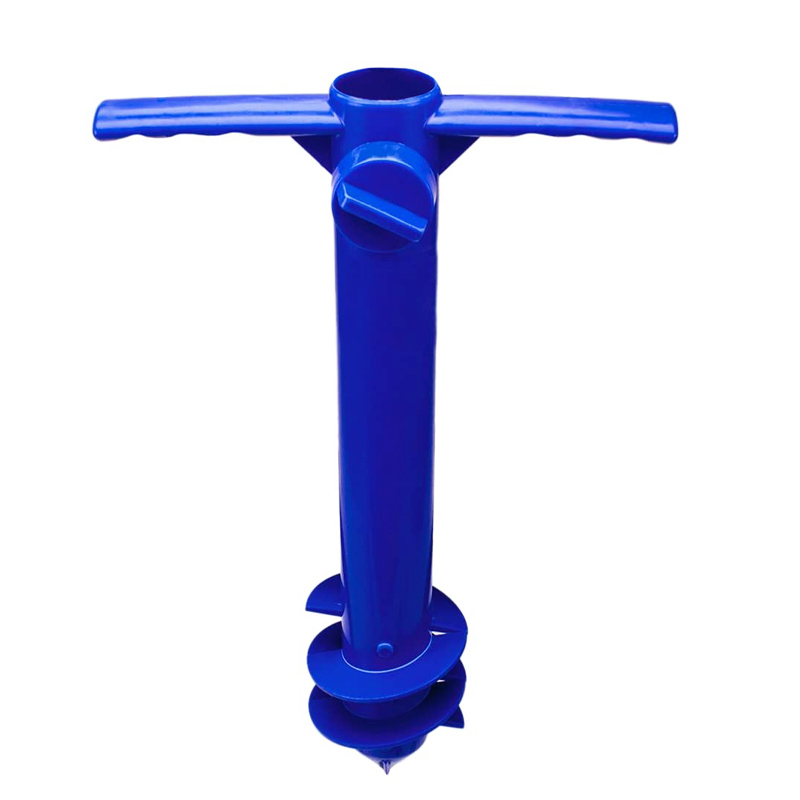
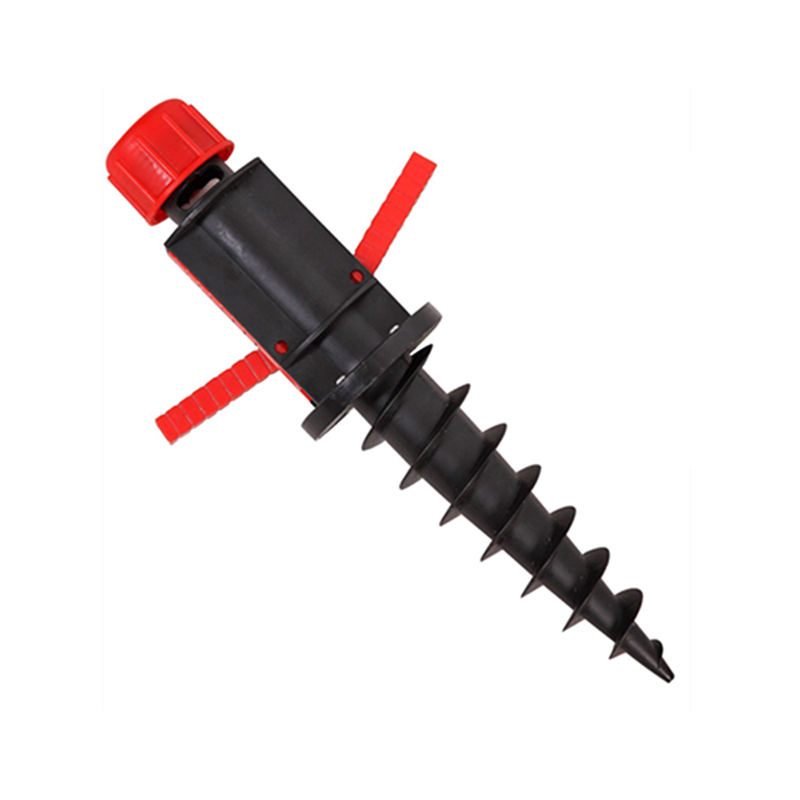
For beach use, many parasols rely on sand anchors instead of traditional bases, keeping the overall transport weight low.
Designed for individual users and travelers, portable models focus on easy transport.
Often used by resorts, hotels, and beach clubs, these umbrellas prioritize durability and stability.
Specially designed for windy coastal areas.
Choosing the correct weight for a Beach Parasol Umbrella is about balance. An umbrella that is too light may struggle in windy conditions, while an overly heavy one can become inconvenient for transport and setup.
Environmental conditions greatly affect what weight range is considered ideal for a Beach Parasol Umbrella.
Manufacturers across Europe, Asia, and North America generally design beach parasols to meet international transport and safety standards. The most widely exported Beach Parasol Umbrella models fall within the 2–3.5 kg range due to shipping efficiency and consumer demand.
Ultra-light models can weigh as little as 1.2 kg, typically using thin aluminum poles and compact canopies. These are best for short-term use in low-wind environments.
No. While heavier umbrellas offer better stability, they may be inconvenient for transport. The best choice depends on usage conditions rather than weight alone.
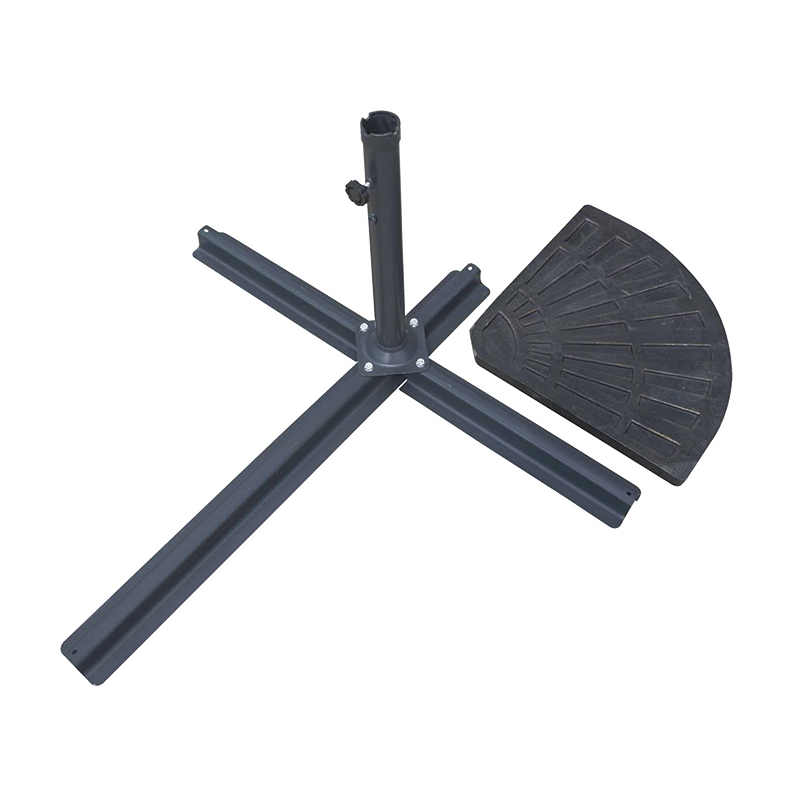
In most product descriptions, the listed weight refers only to the umbrella itself. Bases are usually sold separately and can weigh significantly more.
An umbrella weight of at least 3–4 kg, combined with a strong sand anchor or heavy base, is recommended for windy coastal regions.
Larger canopies require thicker ribs and stronger poles, which naturally increases overall weight.
Recent market trends show increasing demand for lightweight yet durable Beach Parasol Umbrella designs. Innovations such as high-strength aluminum alloys and fiberglass ribs allow manufacturers to reduce weight without sacrificing stability.
Across consumer, commercial, and export markets, the most common weight range for a Beach Parasol Umbrella is between 2 kg and 3.5 kg for the umbrella alone. This range offers the best balance between portability, stability, durability, and user convenience.
Understanding weight differences helps buyers make informed decisions, whether selecting a lightweight parasol for personal travel or a heavier-duty model for professional beachside operations.
related products
Be the First to Know
+86 13357500282
Songxia Town, Shangyu District, Shaoxing City, Zhejiang Province, China
China Parasols Factory And Wholesale Garden Umbrellas Manufacturers


 English
 Español
 عربى
عربى
 Português