2026-05-13
The most effective ways to keep a patio umbrella from blowing over are using a heavy enough base (at least 50 lbs for a 9-foot umbrella), anchoring it to the ground or a table, adding sandbags or water weights, and positioning it in a sheltered location away from open wind corridors. A patio umbrella that tips over in the wind is not just an annoyance — it can damage furniture, injure people, or even become a dangerous projectile in strong gusts. This guide covers every reliable solution, from quick fixes you can implement today to permanent anchoring systems for exposed patios.
Content
A patio umbrella blows over because its large canopy acts like a sail, generating significant lateral force even in moderate winds — a 9-foot umbrella canopy can experience over 75 lbs of sideways force in a 30 mph gust. Understanding the physics helps you choose the right solution.
Wind load on a patio umbrella increases with the square of wind speed. This means that doubling the wind speed from 15 mph to 30 mph quadruples the force on the canopy. Several factors compound the risk:
Choosing the correct base weight is the single most important factor in preventing your patio umbrella from blowing over — and most people dramatically underestimate how much weight is needed.
As a general rule, use the following minimum base weights based on umbrella canopy diameter:
Fillable water bases are a popular and portable option — a fully filled 15-gallon water base weighs approximately 125 lbs, providing excellent stability. Sand-filled bases weigh more than water at the same volume, making them even more effective per unit of size.
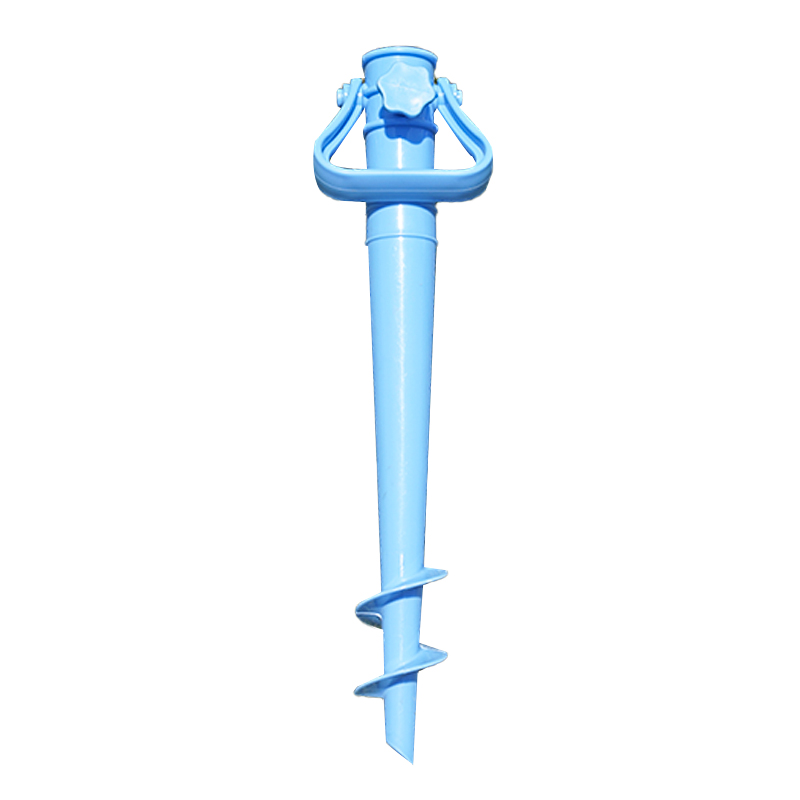
Permanently anchoring your patio umbrella into the ground or deck is the most reliable long-term solution for windy locations, capable of withstanding winds exceeding 40–50 mph when installed correctly.
A concrete-set ground sleeve is the strongest anchoring method available for freestanding patio umbrellas. The process involves digging a hole approximately 12–18 inches deep, setting a steel or PVC sleeve in concrete, and inserting the umbrella pole into the sleeve once cured. The sleeve typically includes a locking pin or set screw to secure the pole.
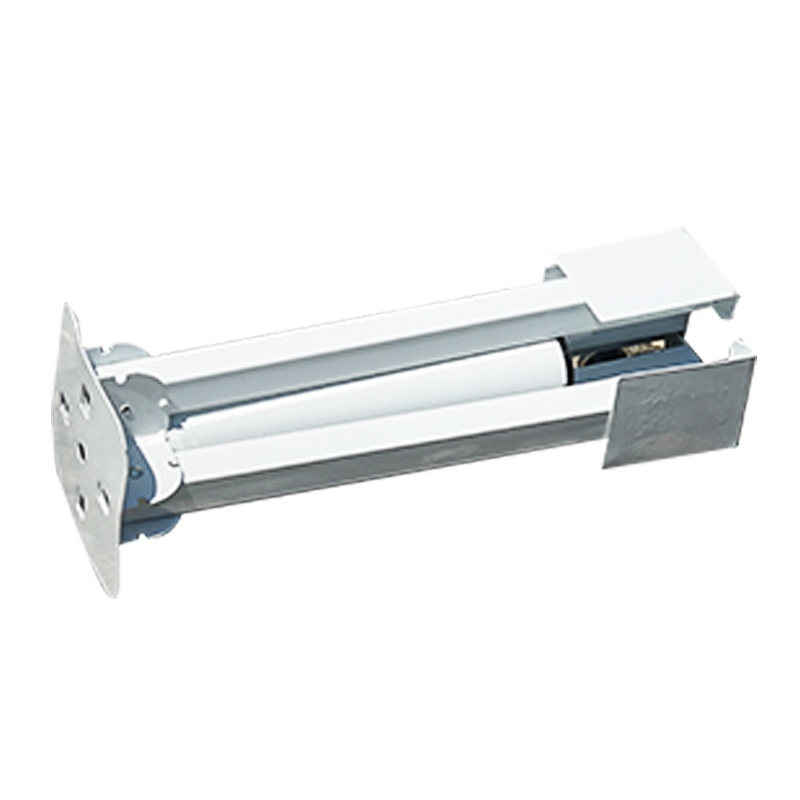
For wood or composite decks, a bolted deck flange mounts directly to the decking surface and accepts the umbrella pole, providing rigid anchoring without any digging. Four to six lag bolts into the deck joists below create a very secure attachment point. Deck flanges are available in diameters from 1.5 to 2.5 inches to match standard umbrella poles.
Threading your umbrella pole through a patio table's center hole and using a table with substantial weight (60+ lbs) provides a surprisingly effective anchoring system for moderate wind conditions. The table distributes the base load over a much wider footprint than a standalone umbrella base, significantly improving tip-over resistance. Use a snug-fitting rubber umbrella ring in the table hole to eliminate wobble.
Adding sandbags or purpose-made weight bags directly to the umbrella base legs is one of the fastest and most affordable ways to increase stability without replacing your existing base. Each 20 lb sandbag added to a base increases resistance to tipping proportionally, and multiple bags can be stacked or arranged around the base feet.
A double-vented canopy design dramatically reduces the wind load on a patio umbrella by allowing air to escape upward through a gap between the inner and outer canopy layers, reducing tipping force by up to 30–50% compared to solid canopies.
If you're purchasing a new umbrella or replacing a canopy, look for these wind-resistance features:
Where you position your patio umbrella has a major impact on its wind exposure — placing it near a wall, fence, hedge, or other windbreak can reduce effective wind speed by 50–70% compared to an open, exposed position.
Tethering the umbrella pole or ribs to a fixed structure using bungee cords, ratchet straps, or purpose-made umbrella stabilizer braces is a low-cost supplemental anchoring method that can prevent tipping in gusts.
Closing your patio umbrella when wind speeds exceed 20–25 mph is the simplest and most foolproof way to prevent it from blowing over — a closed umbrella presents almost no wind resistance regardless of base weight.
Practical habits that prevent wind damage:
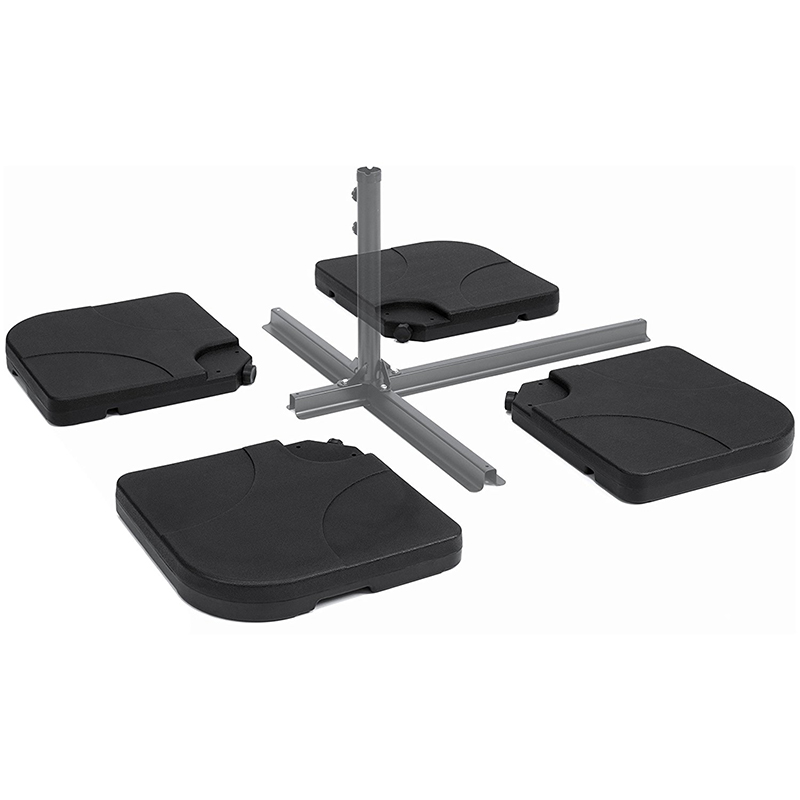
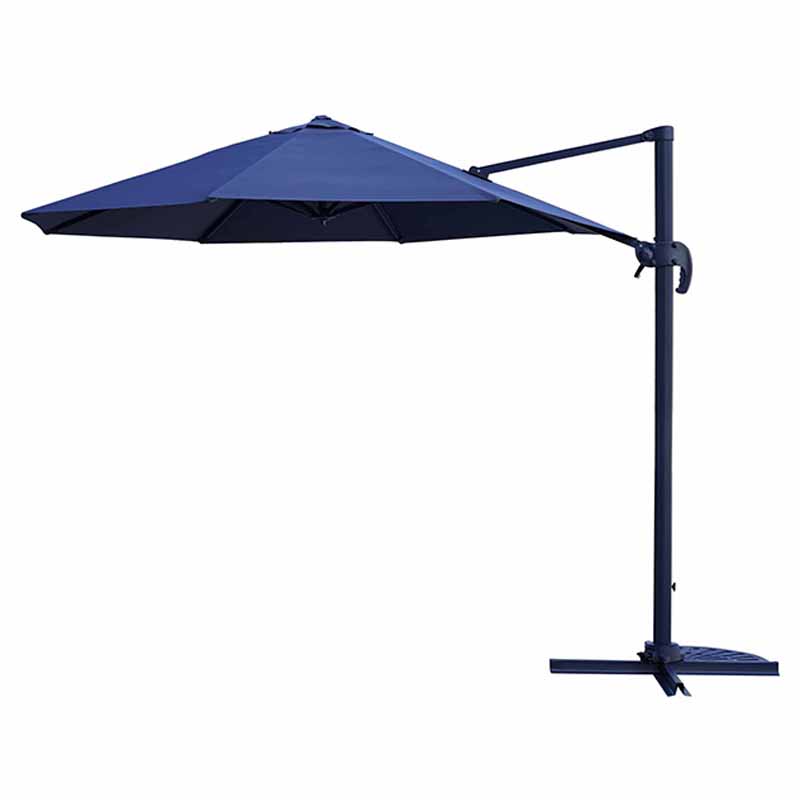
Cantilever and offset patio umbrellas require significantly heavier and more complex base systems than center-pole umbrellas — their offset design creates much greater torque on the base, making proper weighting critical.
For cantilever umbrellas (where the pole extends from one side rather than the center):
No single method works in every situation — the best approach combines two or more strategies matched to your specific wind exposure, umbrella size, and patio setup.
| Method | Wind Resistance Level | Approx. Cost | Permanence | Best For |
| Heavy Base (50+ lbs) | Moderate | $40–$150 | Portable | All umbrella types |
| In-Ground Anchor | Very High | $30–$100 | Permanent | Soil/grass patios |
| Deck Mount Flange | Very High | $25–$80 | Permanent | Wood/composite decks |
| Sandbags / Weight Bags | Low–Moderate | $10–$40 | Portable | Existing base upgrade |
| Vented Canopy | Moderate | $50–$200+ | Permanent (design) | New umbrella purchase |
| Wind Blocking / Placement | High | $0–$200 | Situational | All setups |
| Tether / Brace | Moderate–High | $10–$50 | Removable | Supplemental anchoring |
| Close / Remove Umbrella | Absolute | $0 | On-demand | High-wind events |
Table 1: Comparison of patio umbrella wind protection methods by effectiveness, cost, and permanence.
Using an undersized base is the leading cause of patio umbrella tip-overs — always match your base weight to your canopy diameter, not the other way around.
| Umbrella Canopy Size | Min. Base Weight (Sheltered) | Min. Base Weight (Exposed) | Recommended Base Type |
| Up to 7.5 ft | 30 lbs | 50 lbs | Fillable resin or cast iron |
| 9 ft | 50 lbs | 75 lbs | Fillable water/sand or cast iron |
| 11 ft | 75 lbs | 100 lbs | Large fillable or concrete base |
| 13 ft (center pole) | 100 lbs | 150 lbs | Concrete base or in-ground anchor |
| 11–13 ft Cantilever | 150 lbs | 200+ lbs | Cross-base with counterweights |
Table 2: Minimum recommended base weights for patio umbrellas by canopy size and wind exposure level.
If your patio umbrella blew over recently or keeps tipping in moderate winds, these immediate steps will improve stability before you implement a permanent solution.
A 9-foot patio umbrella requires a minimum base weight of 50 lbs in sheltered conditions and 75 lbs or more in open or exposed locations. If your current base weighs less than this, supplement it with sandbags or weight bags, or replace it with a heavier fillable or cast iron model. In coastal or hilltop locations, consider a permanent in-ground anchor regardless of canopy size.
Yes — bungee cords work as a supplemental tethering method but should not be relied upon as a primary anchor. Use heavy-duty bungee cords (at least 1/2-inch diameter) attached from the pole to two or more fixed points at opposing angles. This helps prevent rotation and tipping but will not substitute for adequate base weight on its own.
Most standard patio umbrellas with properly weighted bases can withstand sustained winds of 20–25 mph, while premium vented umbrellas with heavy bases may remain stable in winds up to 35–40 mph. However, gusts — which can be 30–50% higher than sustained wind speed — are typically what cause tip-overs. Close your umbrella whenever gusts above 25 mph are expected.
Sand-filled bases provide approximately 25–30% more weight than water-filled bases of the same volume, making them more effective for wind resistance. A gallon of water weighs 8.3 lbs; a gallon of dry sand weighs approximately 10.5–12 lbs. The tradeoff is that sand-filled bases are more difficult to move and transport. Water is the better choice if you frequently relocate your umbrella.
Yes — a double-vented canopy can reduce wind load by 30–50% compared to a solid canopy of the same size, which directly reduces the tipping force transmitted to the base. While a vented canopy alone won't save an underweighted umbrella in strong winds, it is a meaningful upgrade that extends the safe operating wind speed range of your setup.
Yes — you can anchor a patio umbrella to concrete using a surface-mount flange bolted with concrete anchors, or by core-drilling a sleeve hole and setting it in epoxy or hydraulic cement. Both methods create a very secure mount. Surface-mount flanges require 4–6 concrete anchor bolts of at least 3/8-inch diameter and penetrating 2.5 inches or more into the concrete slab for adequate holding strength.
Cantilever umbrellas require a minimum base weight of 150–200 lbs, a wide cross-base footprint, and ideally supplemental counterweights positioned on the opposite side from the canopy overhang. Always ensure locking casters are engaged, and consider a permanent anchor point for very large (13-foot+) cantilever models in exposed locations. Closing a cantilever umbrella in winds above 20 mph is especially important, as the offset geometry creates much greater torque than center-pole designs.
Keeping a patio umbrella stable in the wind doesn't require expensive equipment — it requires matching the right combination of base weight, anchoring method, canopy design, and placement to your specific situation. For most homeowners, the winning formula is a properly weighted base (50+ lbs for a 9-foot umbrella), a sheltered placement near a windbreak, and the habit of closing the umbrella whenever winds pick up.
For patios in consistently windy locations — coastal properties, elevated decks, or open hillside gardens — adding a permanent ground anchor or deck mount flange transforms a frustrating tip-over problem into a non-issue. Combine two or more of the methods in this guide and your patio umbrella will stay exactly where you put it, season after season.
related products
Be the First to Know
+86 13357500282
Songxia Town, Shangyu District, Shaoxing City, Zhejiang Province, China
China Parasols Factory And Wholesale Garden Umbrellas Manufacturers


 English
 Español
 عربى
عربى
 Português